
.jpg&width=800)





Common Yellowthroat
Geothlypis trichas
The Common Yellowthroat is a small, cheerful bird with a bright yellow belly and a black mask. They love to hop around in bushes and wetlands, singing their sweet songs.
Hábitat: Wetlands
The Common Yellowthroat is a small, stocky warbler with olive-green upperparts and bright yellow underparts. Males are easily identified by their striking black 'highwayman's mask' across the eyes, outlined by a crisp white stripe above.
Categoría
AvesRareza
Common
Peligro
1/5 · Muy bajo
Snaps
¡Sé la primera persona en hacer un snap!
Despite being common, they are surprisingly hard to spot, often staying hidden in dense plants!
Female yellowthroats are expert architects, building cup-shaped nests low to the ground!
Their song, 'witchity-witchity-witch', is one of North America's most recognizable bird calls!
These tiny birds play a giant role, eating thousands of pesky insects every single year!
Common Yellowthroats can sing their unique 'witchity' song while hidden deep in dense shrubs, making them hard to spot.
Common Yellowthroats can quickly snatch hidden insects from dense foliage, using their keen eyesight and agility to find food.
Common Yellowthroats can migrate thousands of kilometers twice a year, guided by Earth's magnetic field.
These little insectivores are bug-eating machines, helping control pests in their wetland homes!
Papilio machaon
eats caterpillars from a variety of plants

Accipiter striatus
hunted by small raptors while foraging or migrating
Typha latifolia
uses dense wetland plants for nesting and cover
.jpg&width=800)
Molothrus ater
often has its nest taken over by another bird species
Describe a los animales, principalmente aves, que poseen una cubierta de plumas.
Los animales sociales viven en grupos organizados, cooperando para obtener beneficios de supervivencia como la búsqueda de alimento, la defensa y la cría de descendencia.
Los animales cantores producen vocalizaciones complejas, a menudo con el propósito de atraer parejas, defender el territorio o comunicarse dentro de su especie.
Colorido describe a organismos u objetos que exhiben una amplia variedad de colores brillantes y distintivos.

Este rasgo identifica a los organismos cuya dieta consiste principalmente en insectos y otros pequeños invertebrados.

Este rasgo de hábitat identifica especies que se encuentran en humedales, que son áreas de tierra saturadas de agua, ya sea permanente o estacionalmente, e incluyen marismas, pantanos y ciénagas.

Los animales diurnos están activos principalmente durante el día y suelen descansar o dormir por la noche.
Todavía no hay alias listados.
Peligro
1/5 · Muy bajo
Enjoy watching birds from a distance, and don't try to touch them.
11-13 cm
15-19 cm
0.008-0.015 kg
2-8 años
45 km/h
These little insectivores are bug-eating machines, helping control pests in their wetland homes!
Wetlands
Foraging
Acércate para separar los grupos y explorar dónde se ha fotografiado este objeto.
Los snaps recientes aparecerán aquí a medida que se añadan nuevas observaciones.

Oregon, US
Puedes ver Savannah Sparrow, Gorrión Melódico y Petirrojo Americano.
Ver guía →
British Columbia, CA
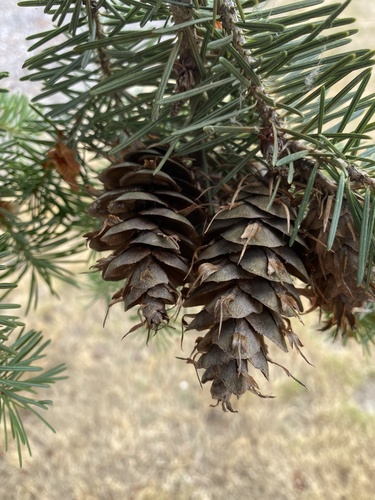
Puedes ver Abeto De Douglas, Pacific Madrone y Tritón De Piel Rugosa.
Ver guía →

Ontario, CA
Puedes ver Golondrina Común y Northern Yellow Warbler.
Ver guía →












