Constricted Leafhopper
Agallia constricta
The Constricted Leafhopper is a small, colorful insect that loves to hop around on leaves. It has a special shape that helps it blend in with plants, making it hard for predators to spot!
Hábitat: Grasslands
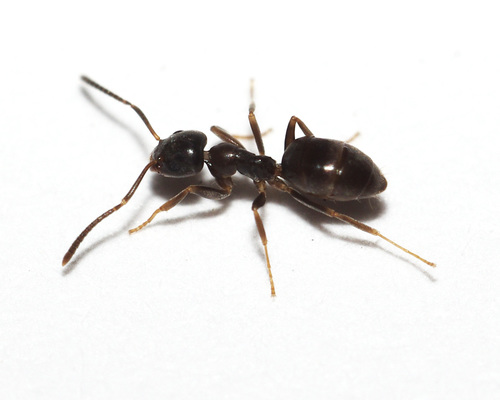
The Constricted Leafhopper is a small, robust insect, typically mottled brownish-grey with darker markings. It has a broad head and a distinctive dark band or series of spots across its pronotum, giving it a 'constricted' appearance. Its wings are held flat over its body.
Categoría
InsectosRareza
Common
Peligro
1/5 · Muy bajo
Snaps
¡Sé la primera persona en hacer un snap!
Leafhoppers can make sounds by vibrating tiny organs on their belly!
Leafhoppers leave behind sticky "honeydew" when they eat plant sap!
Some leafhoppers are attracted to artificial lights at night!
They can transmit plant diseases, harming crops like alfalfa!
Constricted Leafhopper can jump incredibly far because of powerful hind legs that help them escape predators quickly.
Constricted Leafhopper can drink plant sap because of its straw-like mouthparts that help them get nutrients from deep inside plants.
Constricted Leafhopper has a mottled brown body that helps them hide perfectly among leaves and stems to avoid being seen.
These tiny insects drink nutritious sap from plants, helping them grow.
Passer domesticus
Sparrows often catch leafhoppers in gardens.
Misumena vatia
Spiders ambush leafhoppers hiding on plants.

Medicago sativa
It feeds on the sap of alfalfa plants.

Trifolium repens
Leafhoppers drink sap from clover leaves.
El camuflaje describe a los organismos que poseen colores o patrones que les permiten mezclarse con su entorno.
Colorido describe a organismos u objetos que exhiben una amplia variedad de colores brillantes y distintivos.
Este rasgo caracteriza a los organismos cuya dieta consiste total o principalmente en material vegetal.
Los hábitats de pastizales son biomas terrestres dominados por pastos y plantas herbáceas, que sustentan a una variedad de animales de pastoreo.

Los animales diurnos están activos principalmente durante el día y suelen descansar o dormir por la noche.

Este rasgo identifica a los organismos que exhiben una rapidez excepcional en sus movimientos para cazar, escapar o desplazarse.

Describe organismos que transfieren polen, permitiendo la fertilización y reproducción de las plantas.
Todavía no hay alias listados.
Peligro
1/5 · Muy bajo
Leafhoppers are harmless, but it's best to watch them from a distance.
3-5 mm
3-4 mm
30-90 días
These tiny insects drink nutritious sap from plants, helping them grow.
Grasslands
Foraging
6
Acércate para separar los grupos y explorar dónde se ha fotografiado este objeto.
Los snaps recientes aparecerán aquí a medida que se añadan nuevas observaciones.