Cuban Tree Frog
Osteopilus septentrionalis
The Cuban Tree Frog is a fun and colorful frog that loves to climb trees! It has big eyes and can make loud sounds, especially at night when it's looking for friends.
Hábitat: Forests
The Cuban Tree Frog has large, sticky toe pads and warty skin. Its color varies from gray to brown, green, or yellowish, often with darker blotches or stripes. They have notably large eyes.
Categoría
AnfibiosRareza
Common
Peligro
2/5 · Bajo
Snaps
¡Sé la primera persona en hacer un snap!
Female Cuban Tree Frogs lay thousands of tiny eggs at once!
These frogs can live for over 10 years in the right conditions.
They can eat other frogs, even some much bigger than themselves!
They often hide in pipes and under the eaves of houses.
Cuban Tree Frogs have super sticky toe pads that allow them to climb smooth surfaces like windows with ease.
Cuban Tree Frogs can change their skin color to match their surroundings, helping them hide from predators and prey.
Cuban Tree Frogs have a mildly toxic skin secretion that deters some predators when they feel threatened.
Cuban Tree Frogs can tolerate brackish water, which helps them colonize new areas by surviving sea travel.
A hungry hunter, this frog eats many kinds of insects and even other small frogs!
Diferencias por edad: Tadpoles eat algae and decaying plant matter before becoming carnivorous adults.

Eleutherodactylus planirostris
outcompetes and preys on native frogs.
Anolis carolinensis
actively preys on these common lizards.
Thamnophis sirtalis
juveniles may be prey for some snake species.
%2C_Vorderansich.jpg&width=800)
Lithobates sphenocephala
eats eggs and juveniles of this native frog.
Los animales cantores producen vocalizaciones complejas, a menudo con el propósito de atraer parejas, defender el territorio o comunicarse dentro de su especie.
Los animales arborícolas viven principalmente en los árboles, utilizándolos como refugio, alimento y protección contra los depredadores.
El camuflaje describe a los organismos que poseen colores o patrones que les permiten mezclarse con su entorno.
Colorido describe a organismos u objetos que exhiben una amplia variedad de colores brillantes y distintivos.

Este rasgo identifica a los organismos cuya dieta consiste principalmente en insectos y otros pequeños invertebrados.

Los hábitats boscosos son entornos terrestres dominados por una densa cubierta arbórea, que sustentan una gran diversidad de vida animal y vegetal.

Los animales nocturnos están principalmente activos durante la noche, y suelen descansar o dormir durante el día.
Peligro
2/5 · Bajo
Always wash your hands after touching frogs, as they can have special skin that might not be safe.
3-14 cm
0.014-0.12 kg
5-10 años
A hungry hunter, this frog eats many kinds of insects and even other small frogs!
Forests
Ambush
100-4000
20-30 días
Acércate para separar los grupos y explorar dónde se ha fotografiado este objeto.
Los snaps recientes aparecerán aquí a medida que se añadan nuevas observaciones.
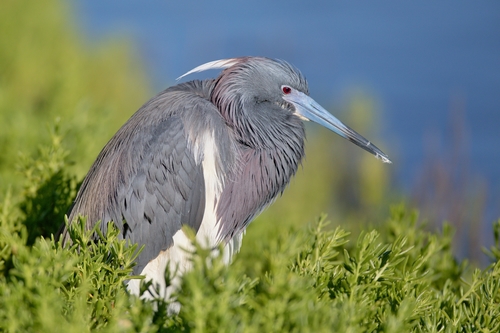
Florida, US
Puedes ver Tricolored Heron, Roseate Spoonbill y Wood Stork.
Ver guía →
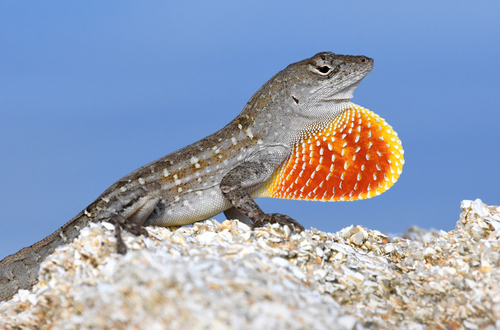
Florida, US
Puedes ver Anolis Castaño, Shiny-Leaved Wild Coffee y Firebush.
Ver guía →
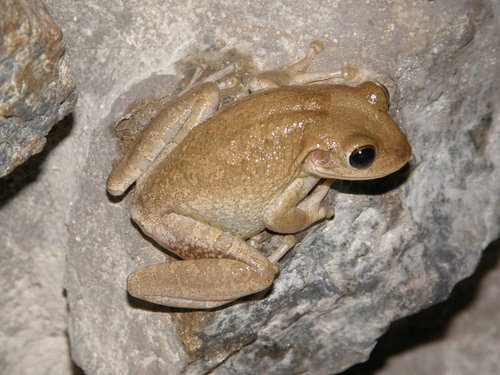
New York, US
Puedes ver Cuban Tree Frog y Armoracia.
Ver guía →

Florida, US
Puedes ver Cangrejo Azul, Mono Aullador y Visayan Warty Pig.
Ver guía →
Florida, US
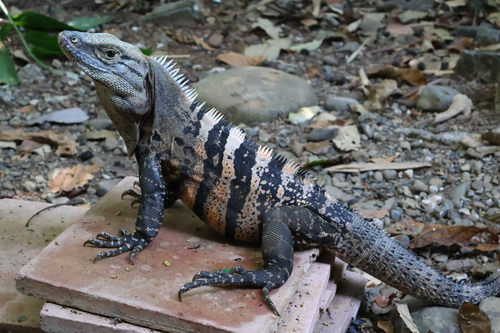
Puedes ver Black Spiny-Tailed Iguana, Anolis Castaño y Sea Grape.
Ver guía →
Florida, US
Puedes ver Anolis Castaño, Southern Live Oak y Resurrection Fern.
Ver guía →