Damselflies
Zygoptera
Damselflies are beautiful insects that love to flutter around near water. They have long, slender bodies and colorful wings that shimmer in the sunlight.
Hábitat: Wetlands
The Damselflies has a slender, delicate body, often brightly colored in iridescent blues, greens, or reds. Unlike dragonflies, their two pairs of equally sized wings are typically held together over their back when at rest. They possess large, widely separated eyes.
Categoría
InsectosRareza
Common
Peligro
1/5 · Muy bajo
Snaps
¡Sé la primera persona en hacer un snap!
Baby damselflies, called nymphs, breathe with gills and live underwater for years!
Many male damselflies defend small territories, chasing away rivals in aerial battles!
Some damselfly species can change their color intensity based on temperature or mood!
Their huge, widely separated eyes are compound, giving them nearly 360-degree vision!
Damselflies can fold their delicate wings neatly over their body when resting, which helps them squeeze into tight spaces for protection.
Damselfly nymphs possess a special hinged lower jaw (labium) that shoots out rapidly to snatch unsuspecting aquatic prey.
Damselflies can hover and fly backward, thanks to their independently moving wings, allowing for precise aerial maneuvering.
Tiny hunters, they feast on small insects caught in the air or water.
Diferencias por edad: Nymphs hunt aquatic insects underwater, while adults catch flying insects in the air.
Culex pipiens
Adult damselflies actively hunt mosquito adults, controlling populations.
Anax junius
Larger dragonflies like this species prey on smaller damselflies.
Rana clamitans
Frogs often ambush adult damselflies resting near water.
Esox lucius
Fish, like pike, consume damselfly nymphs in aquatic environments.
Los animales solitarios viven solos durante la mayor parte de su vida y solo interactúan con otros para aparearse o cuidar de sus crías.
Las criaturas aéreas pasan una parte importante de su vida en el aire, utilizando el vuelo para diversas actividades como la caza, la migración o la anidación.
Colorido describe a organismos u objetos que exhiben una amplia variedad de colores brillantes y distintivos.
Este rasgo identifica a los organismos cuya dieta consiste principalmente en insectos y otros pequeños invertebrados.

Este rasgo de hábitat identifica especies que se encuentran en humedales, que son áreas de tierra saturadas de agua, ya sea permanente o estacionalmente, e incluyen marismas, pantanos y ciénagas.

Los hábitats de agua dulce incluyen entornos acuáticos no salinos como ríos, lagos, estanques y humedales, vitales para numerosas especies.

Los animales diurnos están activos principalmente durante el día y suelen descansar o dormir por la noche.

Este rasgo identifica a los organismos que exhiben una rapidez excepcional en sus movimientos para cazar, escapar o desplazarse.

Describe organismos que transfieren polen, permitiendo la fertilización y reproducción de las plantas.
Todavía no hay alias listados.
Peligro
1/5 · Muy bajo
Damselflies are harmless, but it's best to watch them from a distance.
25-80 mm
20-70 mm
365-1095 días
10 km/h
Tiny hunters, they feast on small insects caught in the air or water.
Wetlands
Pursuit
6
Acércate para separar los grupos y explorar dónde se ha fotografiado este objeto.
Los snaps recientes aparecerán aquí a medida que se añadan nuevas observaciones.

Washington, US
Puedes ver Strawberry Tree, Pato y Castor Americano.
Ver guía →
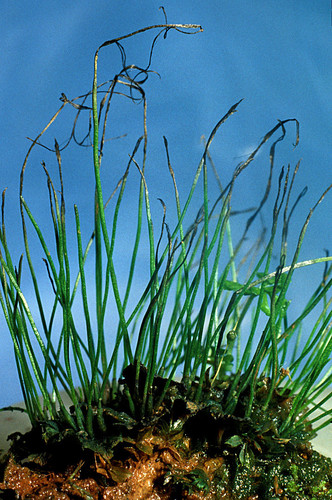
British Columbia, CA
Puedes ver Hornwort, Silverleaf Phacelia y Big Rough Fescue.
Ver guía →
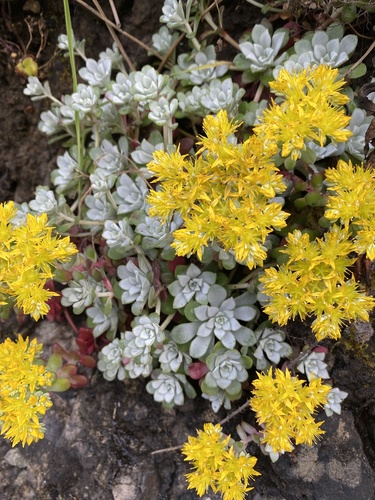
British Columbia, CA
Puedes ver Broad-Leaved Stonecrop y Western Rattlesnake Plantain.
Ver guía →