

Dasineura Epilobii
dasineura epilobii
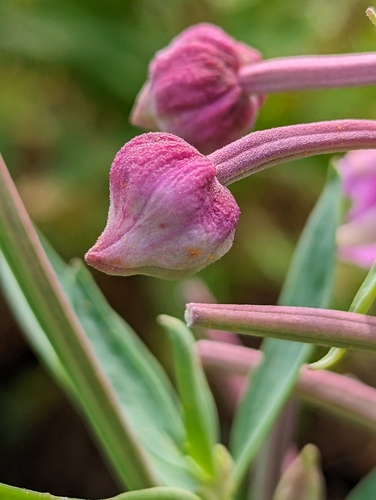
Dasineura epilobii es una diminuta y delicada especie de cecidomia (mosquita de las agallas) conocida no por su forma adulta, sino por los distintivos capullos florales hinchados que crea en las epilobios. Como adulto, esta mosca es increíblemente pequeña y efímera, viviendo solo unos pocos días para aparearse y poner huevos. Sin embargo, sus larvas son arquitectas botánicas maestras. Al secretar químicos específicos, las larvas manipulan el crecimiento de la planta huésped, haciendo que los capullos florales permanezcan cerrados, se agranden y formen una agalla protectora y rica en nutrientes. Dentro de esta cómoda 'guardería' botánica, las larvas anaranjadas o rojizas distintivas se alimentan de forma segura, ocultas de muchos depredadores. Esta fascinante relación destaca las increíbles formas en que los insectos pueden 'hackear' la biología de las plantas para su propia supervivencia.
Hábitat: Se encuentra en prados, claros de bosques, riberas de ríos y terrenos alterados donde sus plantas huésped, los epilobios, crecen agresivamente.
Los adultos de Dasineura epilobii son moscas diminutas, frágiles, parecidas a mosquitos, que miden solo de 1 a 2 milímetros de longitud, poseen patas largas, antenas perladas y alas algo peludas y translúcidas. Debido a que los adultos son tan difíciles de detectar, la especie se identifica principalmente por sus agallas distintivas en las plantas de epilobio. Estas agallas aparecen como capullos florales anormalmente hinchados y sin abrir que pueden adquirir un tinte rojizo o purpúreo en comparación con los capullos verdes sanos. Si se abre una agalla con cuidado, los observadores suelen encontrar varias larvas diminutas, de color naranja brillante o amarillento y sin patas, retorciéndose en el interior.
Categoría
InsectosRareza
Común
Peligro
1/5 · Muy bajo
Snaps
¡Sé la primera persona en hacer un snap!
Debido a que la agalla impide que el capullo floral se abra, una infestación intensa puede reducir significativamente la capacidad de la planta huésped para producir semillas.
Si abres una agalla madura, a menudo puedes encontrar una masa vibrante y retorcida de diminutas larvas anaranjadas compartiendo el mismo espacio cerrado.
Los adultos de Dasineura epilobii carecen de piezas bucales funcionales y sobreviven solo el tiempo suficiente para aparearse y reproducirse.
Para protegerse, las larvas esencialmente 'secuestran' la programación biológica de la planta de epilobio, engañándola para que construya un refugio seguro en lugar de una flor.
Las larvas se alimentan exclusivamente del tejido hiperplásico rico en nutrientes dentro de las agallas que inducen en los capullos florales de los epilobios.
Diferencias por edad: Las larvas son herbívoros obligados del tejido de la agalla, mientras que los adultos de vida corta no se alimentan en absoluto.
Aún no hay insignias de rasgos asignadas a este objeto.
Todavía no hay alias listados.
Las colecciones para este objeto aparecerán aquí a medida que se añadan más temas.
Peligro
1/5 · Muy bajo
Todavía no hay notas especiales de seguridad.
Busca seis patas, antenas, tres secciones en el cuerpo y la forma de las alas. Los escarabajos tienen las alas delanteras endurecidas; las moscas solo tienen un par que funciona. Los insectos diminutos pueden necesitar un primer plano antes de que se vea su grupo. Identificador de insectos: sube una foto y compara los detalles visibles.
hasta 0 cm
0 cm
0 kg
0 años
Las larvas se alimentan exclusivamente del tejido hiperplásico rico en nutrientes dentro de las agallas que inducen en los capullos florales de los epilobios.
Se encuentra en prados, claros de bosques, riberas de ríos y terrenos alterados donde sus plantas huésped, los epilobios, crecen agresivamente.
Herbivoría Inductora De Agallas
Acércate para separar los grupos y explorar dónde se ha fotografiado este objeto.
Los snaps recientes aparecerán aquí a medida que se añadan nuevas observaciones.
Llévate el descubrimiento
Haz una foto con Snappit, identifica la especie y guarda el hallazgo en tu colección.