Desert Cottontail
Sylvilagus audubonii
The Desert Cottontail is a fluffy rabbit that loves to hop around in the desert! With its big ears and soft fur, it is great at staying cool in the hot sun.
Hábitat: Desert
The Desert Cottontail has soft, sandy brown to grayish fur that blends perfectly with its desert home. Its most distinct feature is a fluffy white tail, shaped like a cotton ball, which is visible when it runs.
Categoría
MamíferosRareza
Common
Peligro
1/5 · Muy bajo
Snaps
¡Sé la primera persona en hacer un snap!
A female cottontail can have many litters of babies in a single year!
Baby cottontails are born blind and helpless, needing their mother's full care.
Cottontails don't dig burrows, they often use abandoned ones or hide in dense plants!
They communicate danger by thumping their powerful hind feet on the ground.
Desert Cottontail can run in an unpredictable zig-zag pattern that helps them escape speedy predators by confusing them.
Desert Cottontail has large, rotating ears that help them pinpoint faint sounds from far away to detect danger quickly.
Desert Cottontail has fur coloring that perfectly matches desert rocks and plants, helping them hide from hungry eyes.
Desert Cottontail can eat its own special droppings to get extra nutrients, making sure no good food goes to waste!
This little herbivore munches on grasses, leaves, and twigs, staying hydrated from its food!
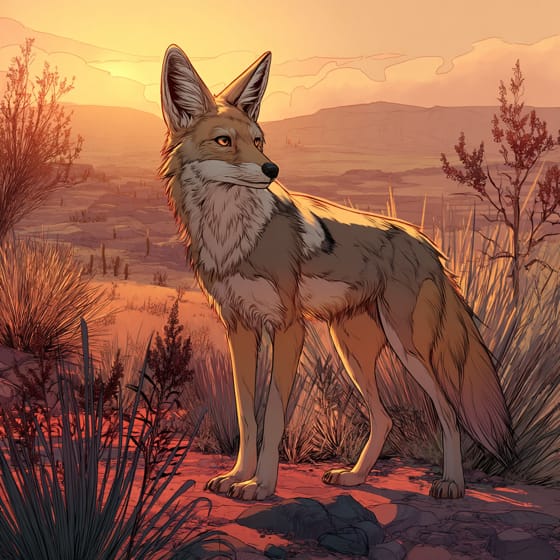
Canis latrans
A primary predator.
Lynx rufus
Hunts cottontails.
Bubo virginianus
Hunts at night.

Bouteloua curtipendula
A common grass food.
Peludo describe a los animales que poseen una cubierta densa de pelo o pelaje suave.
Los animales sociales viven en grupos organizados, cooperando para obtener beneficios de supervivencia como la búsqueda de alimento, la defensa y la cría de descendencia.
Este rasgo caracteriza a los organismos cuya dieta consiste total o principalmente en material vegetal.
Los hábitats desérticos son regiones áridas caracterizadas por precipitaciones extremadamente bajas y, a menudo, temperaturas extremas, que albergan una flora y fauna especializadas.

Los animales diurnos están activos principalmente durante el día y suelen descansar o dormir por la noche.

Este rasgo identifica a los organismos que exhiben una rapidez excepcional en sus movimientos para cazar, escapar o desplazarse.
Todavía no hay alias listados.
Peligro
1/5 · Muy bajo
If you see a rabbit, watch it from a distance and don't try to touch it.
30-38 cm
0.7-1.4 kg
1-2 años
30 km/h
This little herbivore munches on grasses, leaves, and twigs, staying hydrated from its food!
Desert
Foraging
1-6
Acércate para separar los grupos y explorar dónde se ha fotografiado este objeto.
Los snaps recientes aparecerán aquí a medida que se añadan nuevas observaciones.

Utah, US
Puedes ver Showy Milkweed y Black-Spotted Lady Beetles.
Ver guía →
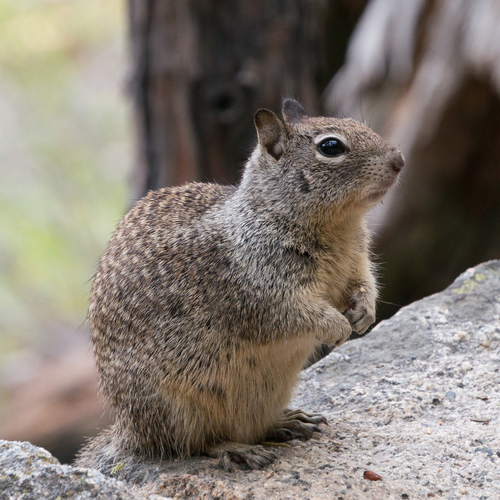
California, US
Puedes ver California Ground Squirrel y Coast Cholla.
Ver guía →
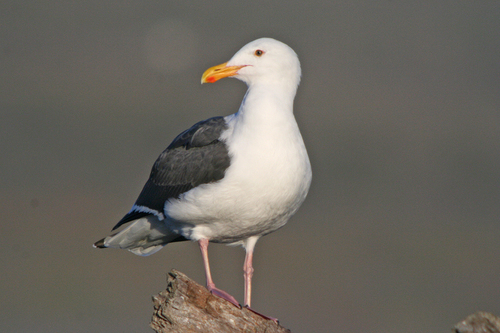
California, US
Puedes ver Western Gull, Snowy Egret y Black Skimmer.
Ver guía →
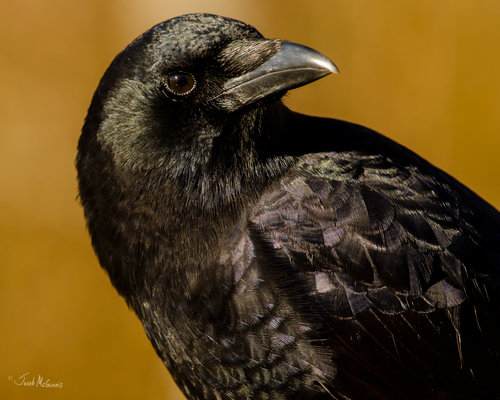
California, US
Puedes ver Cuervo Americano, Yellow-Rumped Warbler y Lincoln's Sparrow.
Ver guía →

California, US
Puedes ver Pato, Black Phoebe y Acorn Woodpecker.
Ver guía →

Arizona, US
Puedes ver Desert Cottontail, Yellow-Rumped Warbler y Black Phoebe.
Ver guía →







%2C_Almuradiel%2C_Ciudad_Real%2C_Espa%C3%B1a%2C_2021-12-19%2C_DD_07.jpg&width=800)