Desert Spiny Lizard
Sceloporus magister
The Desert Spiny Lizard is a small, colorful lizard that loves to bask in the sun. It has spiky scales that help it blend into the desert rocks, making it a master of camouflage!
Hábitat: Desert
The Desert Spiny Lizard is a stout-bodied reptile covered in sharp, keeled scales that give it a spiky look. Its body is usually mottled brown, gray, or tan for desert camouflage, while males often display striking blue or turquoise patches on their throat and belly.
Categoría
ReptilesRareza
Common
Peligro
1/5 · Muy bajo
Snaps
¡Sé la primera persona en hacer un snap!
Males do push-ups to show off and scare rivals away!
These lizards puff up their bodies to look much bigger to predators.
They can detach their tail to escape danger! It even grows back!
They use their strong claws to climb trees and rocky cliffs!
Desert Spiny Lizard can change its skin color to match rocks or sand, helping them hide from sharp-eyed predators.
Desert Spiny Lizard has tough, spiny scales that make them less appealing for hungry birds or snakes to try to eat.
Desert Spiny Lizard can warm up in the sun to get energy and cool down in the shade, helping them control their body temperature.
This lizard enjoys a feast of insects and spiders, hunting small critters in the desert.
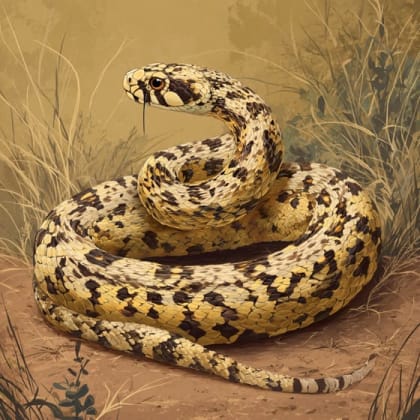
Crotalus atrox
A common desert predator.
Buteo jamaicensis
Hunts from the sky.

Pogonomyrmex rugosus
A favorite small snack.

Schistocerca nitens
Another tasty insect meal.
Los animales solitarios viven solos durante la mayor parte de su vida y solo interactúan con otros para aparearse o cuidar de sus crías.
El camuflaje describe a los organismos que poseen colores o patrones que les permiten mezclarse con su entorno.
Colorido describe a organismos u objetos que exhiben una amplia variedad de colores brillantes y distintivos.
Este rasgo identifica a los organismos cuya dieta consiste principalmente en insectos y otros pequeños invertebrados.

Los hábitats desérticos son regiones áridas caracterizadas por precipitaciones extremadamente bajas y, a menudo, temperaturas extremas, que albergan una flora y fauna especializadas.

Posee proyecciones puntiagudas y afiladas o espinas en el cuerpo o en la superficie.

Los animales diurnos están activos principalmente durante el día y suelen descansar o dormir por la noche.

Este rasgo identifica a los organismos que exhiben una rapidez excepcional en sus movimientos para cazar, escapar o desplazarse.
Todavía no hay alias listados.
Peligro
1/5 · Muy bajo
If you see a lizard, watch it from a distance and don't try to catch it.
25-30 cm
0.02-0.05 kg
5-7 años
15 km/h
This lizard enjoys a feast of insects and spiders, hunting small critters in the desert.
Desert
Ambush
2-17
Acércate para separar los grupos y explorar dónde se ha fotografiado este objeto.
Los snaps recientes aparecerán aquí a medida que se añadan nuevas observaciones.