.jpg&width=800)





Eastern Amberwing
Perithemis tenera
The Eastern Amberwing is a small dragonfly with bright orange wings. They love to flutter around ponds and wetlands, showing off their beautiful colors in the sunlight.
Hábitat: Wetlands
The Eastern Amberwing male has striking, entirely amber-orange wings and a reddish-orange body. Females possess clear wings with amber patches at the base and a brown spot near the tip, alongside a yellowish body. Its distinct wing coloration makes it easily identifiable near water.
Categoría
InsectosRareza
Common
Peligro
1/5 · Muy bajo
Snaps
¡Sé la primera persona en hacer un snap!
Its babies live underwater for up to a year, breathing with gills!
Males sometimes pretend to be females to sneak past other dominant males!
The female Eastern Amberwing lays her tiny eggs by simply tapping the water!
These small dragonflies can fly backward, sideways, or even hover perfectly still!
Eastern Amberwings can spot tiny flying prey from a distance because of their large, multifaceted compound eyes.
Eastern Amberwings can fly in any direction, including backward, because of their independently operating four wings that help them dodge.
The Eastern Amberwing can warm up quickly by basking in the sun because of its dark body and broad wings that absorb heat.
Eastern Amberwing larvae can breathe underwater because of specialized gills, allowing them to live hidden in aquatic environments.
As an adult, this dragonfly is an insectivore, expertly catching small flying insects like mosquitoes and flies.
Diferencias por edad: Nymphs hunt aquatic invertebrates and larvae, while adults exclusively prey on flying insects.
Aedes aegypti
eats these common blood-feeding insects
Musca domestica
captures and consumes these flying insects
Rana catesbeiana
adults can be prey for larger amphibians
Anax junius
larger dragonflies may prey on them
Colorido describe a organismos u objetos que exhiben una amplia variedad de colores brillantes y distintivos.
Describe plantas que son particularmente atractivas y beneficiosas para una amplia variedad de organismos polinizadores.
Este rasgo identifica a los organismos cuya dieta consiste principalmente en insectos y otros pequeños invertebrados.
Este rasgo de hábitat identifica especies que se encuentran en humedales, que son áreas de tierra saturadas de agua, ya sea permanente o estacionalmente, e incluyen marismas, pantanos y ciénagas.

Los hábitats de agua dulce incluyen entornos acuáticos no salinos como ríos, lagos, estanques y humedales, vitales para numerosas especies.

Los animales diurnos están activos principalmente durante el día y suelen descansar o dormir por la noche.

Relativo a especies que son significativamente más pequeñas que lo típico o promedio de su tipo.

Este rasgo identifica a los organismos que exhiben una rapidez excepcional en sus movimientos para cazar, escapar o desplazarse.

Describe organismos que transfieren polen, permitiendo la fertilización y reproducción de las plantas.
Todavía no hay alias listados.
Peligro
1/5 · Muy bajo
Dragonflies are friendly and won't hurt you, but it's best to watch them from a distance.
40-50 mm
19-28 mm
28-42 días
18 km/h
As an adult, this dragonfly is an insectivore, expertly catching small flying insects like mosquitoes and flies.
Wetlands
Pursuit
6
Acércate para separar los grupos y explorar dónde se ha fotografiado este objeto.
Los snaps recientes aparecerán aquí a medida que se añadan nuevas observaciones.
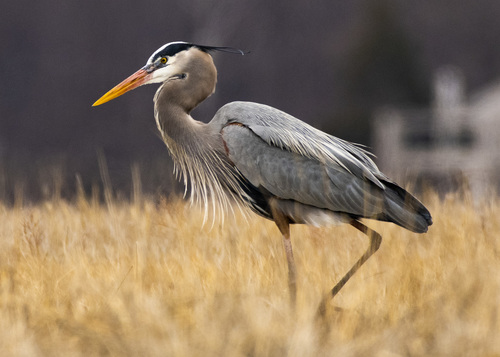
Virginia, US
Puedes ver Garza Azulada, Barnacla Canadiense y Tordo Sargento.
Ver guía →
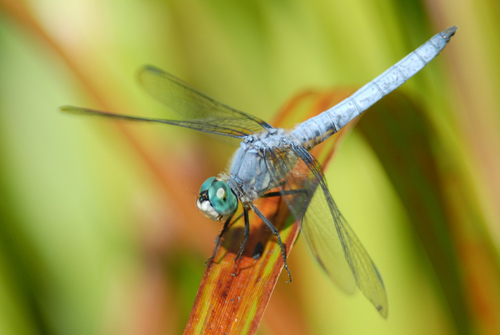
New Jersey, US
Puedes ver Libélula Azul, Eastern Pondhawk y Laughing Gull.
Ver guía →

District of Columbia, US
Puedes ver Pato, Ardilla Gris Oriental y Barnacla Canadiense.
Ver guía →