






Eastern Carpenter Bee
Xylocopa virginica
The Eastern Carpenter Bee is a big, fuzzy bee that loves to make holes in wood. They are important for helping flowers grow by spreading pollen as they visit them.
Hábitat: Urban areas
The Eastern Carpenter Bee is a large, robust bee with a shiny, hairless black abdomen and a fuzzy yellow and black thorax. It has dark, iridescent wings and may have yellow markings on its head, especially in males, which helps distinguish it from the hairier abdomen of a bumblebee.
Categoría
InsectosRareza
Common
Peligro
1/5 · Muy bajo
Snaps
¡Sé la primera persona en hacer un snap!
Baby carpenter bees eat a special mixture of pollen and nectar!
Male carpenter bees have a distinct yellow patch on their face!
They often return to the same wooden tunnels year after year!
You can hear a unique buzzing sound when they tunnel into wood!
Eastern Carpenter Bee can vibrate flowers at high frequencies that helps release pollen for plant fertilization.
Eastern Carpenter Bee males can hover aggressively to deter threats that helps them protect their nesting territories.
Eastern Carpenter Bee females can deliver a painful sting because of their barbed stinger that helps them defend their nest.
They drink sweet nectar for energy and collect pollen to feed their babies.
Passiflora incarnata
They visit flowers to collect nectar and pollen.
Dendrocopos pubescens
Woodpeckers dig into wood to find their larvae.
Chaetodactylus krombeini
These mites hitchhike on bees to new nests.
Peludo describe a los animales que poseen una cubierta densa de pelo o pelaje suave.
Los animales solitarios viven solos durante la mayor parte de su vida y solo interactúan con otros para aparearse o cuidar de sus crías.
Este rasgo caracteriza a los organismos cuya dieta consiste total o principalmente en material vegetal.
Describe plantas que son particularmente atractivas y beneficiosas para una amplia variedad de organismos polinizadores.

Los animales diurnos están activos principalmente durante el día y suelen descansar o dormir por la noche.

Describe una especie cuya presencia y papel tienen un efecto desproporcionadamente grande en su entorno.

Esta característica de hábitat indica especies que pueden coexistir con los humanos en entornos urbanos y suburbanos, utilizando estructuras artificiales y espacios verdes.

Describe organismos que transfieren polen, permitiendo la fertilización y reproducción de las plantas.
Peligro
1/5 · Muy bajo
If you see a bee, it's best to stay calm and not swat at it. They usually won't bother you.
30-50 mm
16-24 mm
60-120 días
18 km/h
They drink sweet nectar for energy and collect pollen to feed their babies.
Urban areas
Foraging
6
Acércate para separar los grupos y explorar dónde se ha fotografiado este objeto.
Los snaps recientes aparecerán aquí a medida que se añadan nuevas observaciones.
.JPG)
Massachusetts, US
Puedes ver Virginia Bluebells y Great Golden Digger Wasp.
Ver guía →
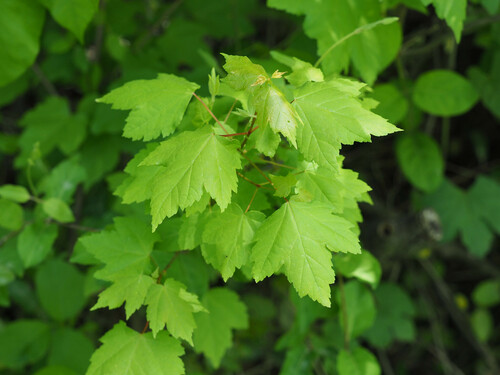
Virginia, US
Puedes ver Arce Rojo, Spotted Lanternfly y Cardenal Norteño.
Ver guía →
.jpg)
District of Columbia, US
Puedes ver Pato, Ardilla Gris Oriental y Estornino Europeo.
Ver guía →
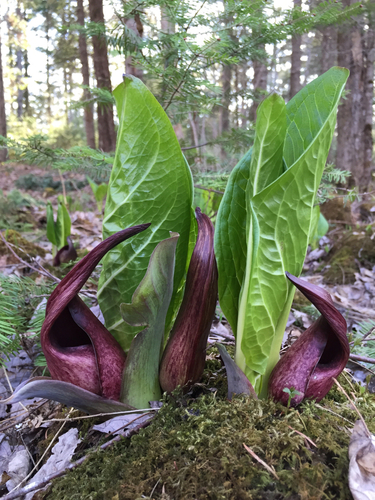
Virginia, US
Puedes ver Eastern Skunk Cabbage, Mayapple y Lesser Celandine.
Ver guía →
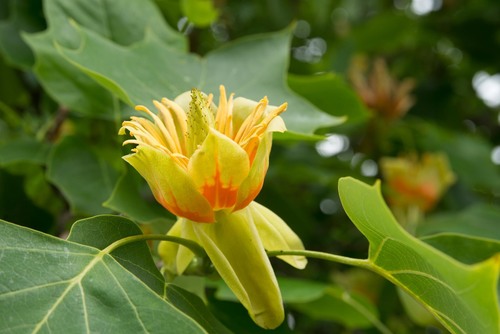
Virginia, US
Puedes ver American Tuliptree, Gorrión Común y Common Eastern Bumble Bee.
Ver guía →

Massachusetts, US
Puedes ver Petirrojo Americano y Ardilla Gris Oriental.
Ver guía →




_male.jpg&width=800)








