






Seaside Dragonlet
Erythrodiplax berenice
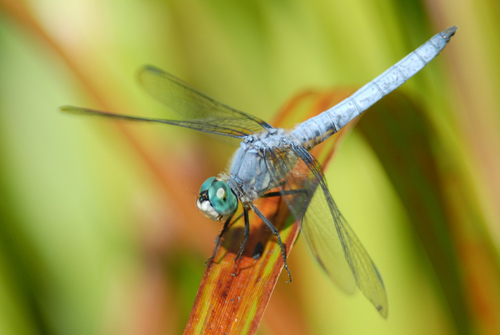
The Seaside Dragonlet is a small dragonfly that loves to flutter near water. With its bright colors and tiny size, it is a fun little creature to spot at the beach or by ponds.
Hábitat: Coastal areas
The Seaside Dragonlet has a robust body, often dark brown or black, with mature males developing a blue-grey powdery coating called pruinescence. Females are typically yellowish-brown. Its wide-set, dark eyes help it spot prey in its unique coastal habitats.
Categoría
InsectosRareza
Common
Peligro
1/5 · Muy bajo
Snaps
¡Sé la primera persona en hacer un snap!
A Dragonlet's eyes have thousands of tiny lenses, giving them a super wide view!
Dragonflies can fly forwards, backwards, and even hover perfectly still!
Their underwater nymphs breathe through gills and are fierce tiny hunters!
They are some of the fastest flying insects, zooming past like a tiny jet!
Seaside Dragonlet can thrive in salty coastal wetlands because its larvae uniquely tolerate brackish water.
Seaside Dragonlet has incredible flight agility that helps them catch flying insects mid-air with ease.
Seaside Dragonlet has massive compound eyes that help it see predators and prey in almost all directions.
These aerial hunters feast on smaller insects, which they snatch from the air with expert skill.
Diferencias por edad: As nymphs, they eat aquatic invertebrates; as adults, they catch flying insects.
Aedes aegypti
Adult dragonlets prey on adult mosquitoes, helping control their populations.
.jpg&width=800)
Tyrannus tyrannus
Birds like kingbirds snatch adult dragonflies from the air.
Lithobates catesbeianus
Bullfrogs will eat adult dragonlets that come near the water's edge.
Gambusia affinis
These fish consume dragonlet nymphs and other aquatic insect larvae.
Colorido describe a organismos u objetos que exhiben una amplia variedad de colores brillantes y distintivos.
Este rasgo identifica a los organismos cuya dieta consiste principalmente en insectos y otros pequeños invertebrados.
Los hábitats costeros son entornos dinámicos situados a lo largo de la interfaz entre la tierra y el mar, influenciados por las mareas, las olas y el agua salada.
Los animales diurnos están activos principalmente durante el día y suelen descansar o dormir por la noche.

Relativo a especies que son significativamente más pequeñas que lo típico o promedio de su tipo.

Este rasgo identifica a los organismos que exhiben una rapidez excepcional en sus movimientos para cazar, escapar o desplazarse.

Describe organismos que transfieren polen, permitiendo la fertilización y reproducción de las plantas.
Todavía no hay alias listados.
Peligro
1/5 · Muy bajo
Always watch where you step near water to keep both you and the dragonflies safe.
60-80 mm
30-40 mm
60-365 días
40 km/h
These aerial hunters feast on smaller insects, which they snatch from the air with expert skill.
Coastal areas
Pursuit
6
Acércate para separar los grupos y explorar dónde se ha fotografiado este objeto.
Los snaps recientes aparecerán aquí a medida que se añadan nuevas observaciones.
New Jersey, US
Puedes ver Libélula Azul, Eastern Pondhawk y Laughing Gull.
Ver guía →
New York, US
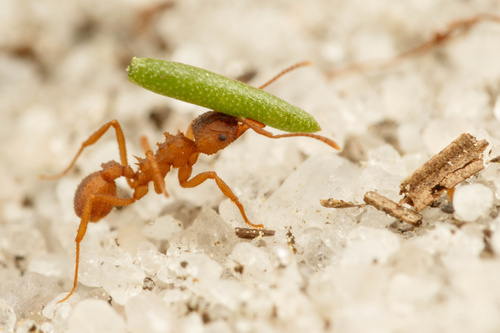
Puedes ver Northern Fungus-Farming Ant, Bronzed Tiger Beetle y Gallberry.
Ver guía →

Delaware, US
Puedes ver Atlantic Horseshoe Crab y Laughing Gull.
Ver guía →

Maryland, US
Puedes ver Seaside Dragonlet, Laughing Gull y American Herring Gull.
Ver guía →

Connecticut, US
Puedes ver Rosa Silvestre, American Herring Gull y águila Pescadora.
Ver guía →

Maryland, US
Puedes ver Domestic Horse, Sanderling y Atlantic Ghost Crab.
Ver guía →






.jpg&width=800)




_Stenurella_melanura_on_Rubus_ulmifolius.jpg&width=800)