



Eastern Phoebe
Sayornis phoebe
The Eastern Phoebe is a small, gray bird that loves to catch insects in the air. They are often seen perched on fences or branches, singing their cheerful song.
Hábitat: Urban areas, forests
The Eastern Phoebe is a small, plain bird with a dull gray-brown back and a whitish belly. It lacks any prominent wing bars or eye-rings, making it appear quite subtle. Its most distinctive visual trait is its constantly twitching tail, which it pumps up and down while perched.
Categoría
AvesRareza
Common
Peligro
1/5 · Muy bajo
Snaps
¡Sé la primera persona en hacer un snap!
Wow! A phoebe's nest can look like a mossy cup, often stuck to a wall!
Wow! Eastern Phoebes are often one of the very first birds to announce spring's arrival!
Wow! They can catch many insects each hour, like a living fly swat!
Wow! They sometimes use the exact same nest location year after year!
Eastern Phoebes can catch flying insects in mid-air because of their excellent vision and quick darting flight.
Eastern Phoebes has a unique tail-wagging habit that helps them identify themselves to others.
Eastern Phoebes can arrive in northern breeding grounds very early in spring because they tolerate cooler weather.
These birds mostly eat flying insects, catching them right out of the air!
Apis mellifera
Catches adult honey bees in flight for food.
Accipiter cooperii
A common avian predator of adult and young phoebes.
Pantherophis obsoletus
Raids phoebe nests for eggs and hatchlings.
Aún no hay insignias de rasgos asignadas a este objeto.
Todavía no hay alias listados.
Peligro
1/5 · Muy bajo
Enjoy watching birds from a distance and do not disturb their nests.
14-17 cm
26-29 cm
0.015-0.022 kg
2-10 años
40 km/h
These birds mostly eat flying insects, catching them right out of the air!
Urban areas, forests
Ambush
Acércate para separar los grupos y explorar dónde se ha fotografiado este objeto.
Los snaps recientes aparecerán aquí a medida que se añadan nuevas observaciones.
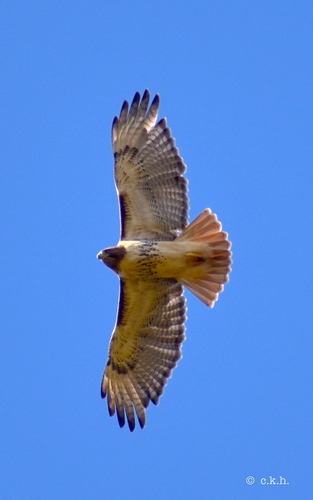
New Hampshire, US
Puedes ver Busardo Colirrojo, Cardenal Norteño y Chipping Sparrow.
Ver guía →
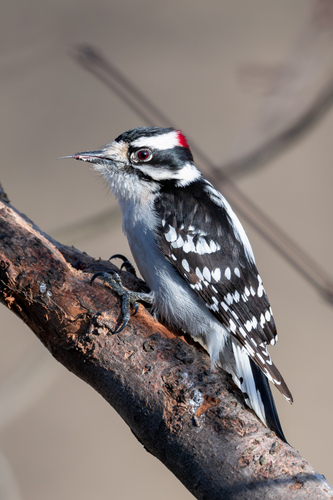
Illinois, US
Puedes ver Carpintero Peludo, Petirrojo Americano y Cuervo Americano.
Ver guía →
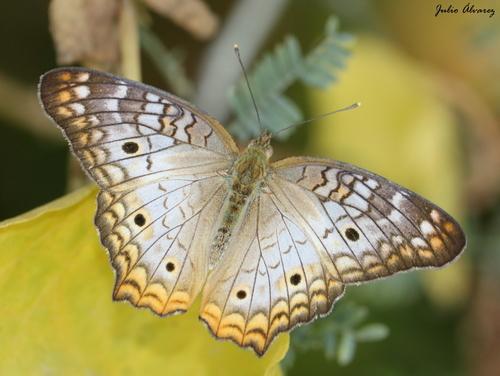
Florida, US
Puedes ver White Peacock, Trailing Daisy y Garza Azulada.
Ver guía →
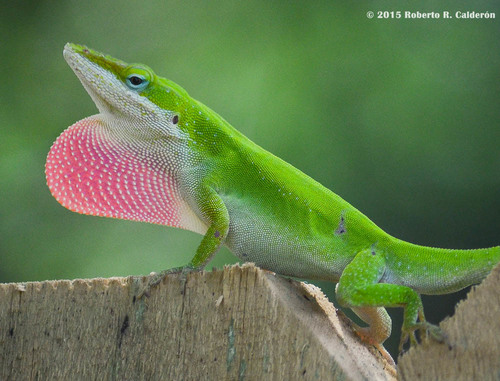
Florida, US
Puedes ver Anolis Verde, Common Gallinule y White Beggarticks.
Ver guía →

Pennsylvania, US
Puedes ver Grey Alder, Sensitive Fern y Interrupted Clubmoss.
Ver guía →

Pennsylvania, US
Puedes ver Rana Toro Americana, Allegheny Monkeyflower y Partridgeberry.
Ver guía →












_with_offspring%2C_Liefdefjord%2C_Svalbard.jpg&width=800)

