






Eastern Pondhawk
Erythemis simplicicollis
The Eastern Pondhawk is a bright green dragonfly that loves to fly around ponds and wetlands. They are fast and can catch other insects in mid-air, making them great hunters!
Hábitat: Wetlands
The Eastern Pondhawk has a robust body and distinctive coloring. Males are a striking powdery blue with a black tipped abdomen, while females and juveniles are vibrant green. Its stout body and clear wings differentiate it from many other slender dragonflies.
Categoría
InsectosRareza
Common
Peligro
1/5 · Muy bajo
Snaps
¡Sé la primera persona en hacer un snap!
Dragonfly larvae, called naiads, live underwater for years before they become adults!
Eastern Pondhawks are amazing bug zappers, eating thousands of mosquitoes and other pests in their lifetime!
Imagine flying backwards! Eastern Pondhawks are incredible aerialists who can do just that with ease.
These ancient insects were around when dinosaurs roamed the Earth, making them living fossils!
Eastern Pondhawk has four independently moving wings that help it fly forward, backward, and even hover perfectly still.
Young Eastern Pondhawks can ambush prey underwater using a special hinged jaw that shoots out to grab food.
Eastern Pondhawk males change from bright green to brilliant blue as they get older, making them stand out.
These aerial hunters feast on smaller insects, helping to keep mosquito populations in check!
Diferencias por edad: Larvae (naiads) are aquatic predators, eating tadpoles and other small aquatic insects; adults eat flying insects.
Culex pipiens
Eastern Pondhawks are major predators of adult mosquitoes.
Musca domestica
Adult pondhawks consume various small flying insects, including flies.
.jpg&width=800)
Tyrannus tyrannus
Birds like kingbirds prey on adult Eastern Pondhawks.
Perca flavescens
Fish frequently consume Eastern Pondhawk larvae (naiads) in water.
Los animales solitarios viven solos durante la mayor parte de su vida y solo interactúan con otros para aparearse o cuidar de sus crías.
Las criaturas aéreas pasan una parte importante de su vida en el aire, utilizando el vuelo para diversas actividades como la caza, la migración o la anidación.
Colorido describe a organismos u objetos que exhiben una amplia variedad de colores brillantes y distintivos.
Este rasgo identifica a los organismos cuya dieta consiste principalmente en insectos y otros pequeños invertebrados.

Este rasgo de hábitat identifica especies que se encuentran en humedales, que son áreas de tierra saturadas de agua, ya sea permanente o estacionalmente, e incluyen marismas, pantanos y ciénagas.

Los hábitats de agua dulce incluyen entornos acuáticos no salinos como ríos, lagos, estanques y humedales, vitales para numerosas especies.

Los animales diurnos están activos principalmente durante el día y suelen descansar o dormir por la noche.

Este rasgo identifica a los organismos que exhiben una rapidez excepcional en sus movimientos para cazar, escapar o desplazarse.

Describe organismos que transfieren polen, permitiendo la fertilización y reproducción de las plantas.
Todavía no hay alias listados.
Peligro
1/5 · Muy bajo
Dragonflies are harmless and fun to watch, but it's best to observe them from a distance.
60-80 mm
40-50 mm
30-90 días
25 km/h
These aerial hunters feast on smaller insects, helping to keep mosquito populations in check!
Wetlands
Ambush
6
Acércate para separar los grupos y explorar dónde se ha fotografiado este objeto.
Los snaps recientes aparecerán aquí a medida que se añadan nuevas observaciones.

Virginia, US
Puedes ver Pato, Pato Joyuyo y Chlorosplenium Chlora.
Ver guía →
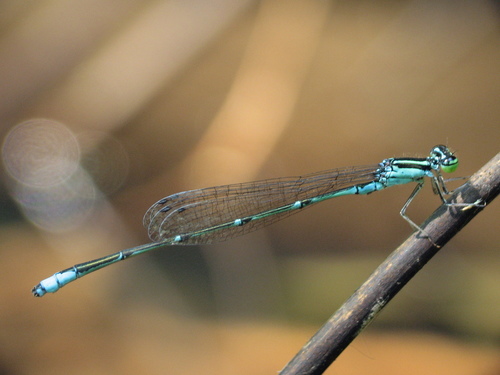
New York, US
Puedes ver Stream Bluet, Variable Dancer y Eastern Pondhawk.
Ver guía →
.jpg)
Virginia, US
Puedes ver Garza Azulada, Fan Clubmoss y Barnacla Canadiense.
Ver guía →
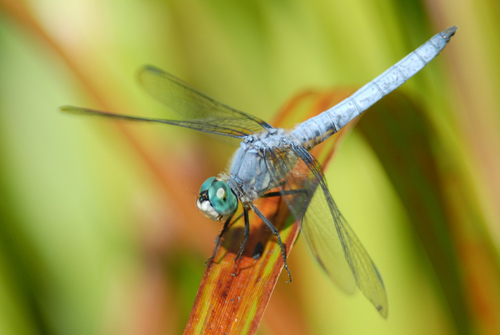
New Jersey, US
Puedes ver Libélula Azul, Eastern Pondhawk y Laughing Gull.
Ver guía →

District of Columbia, US
Puedes ver Libélula Azul, Fragile Forktail y Slaty Skimmer.
Ver guía →

Ohio, US
Puedes ver Wild Bergamot, Tall Goldenrod y Rattlesnake Master.
Ver guía →














