
.jpg&width=800)





Eastern Tent Caterpillar Moth
Malacosoma americana
The Eastern Tent Caterpillar Moth is a fluffy, colorful moth that comes out in spring. It starts its life as a caterpillar that lives in big, cozy tents made of silk in trees.
Hábitat: Forests
The Eastern Tent Caterpillar Moth is a medium-sized moth, usually reddish-brown or yellowish-brown with two distinct, pale, oblique lines across each forewing. Its body is stout and covered in dense, soft hairs, giving it a fuzzy appearance. Females are generally larger than males.
Categoría
InsectosRareza
Common
Peligro
1/5 · Muy bajo
Snaps
¡Sé la primera persona en hacer un snap!
Adult Eastern Tent Caterpillar Moths don't eat at all; they live off energy stored as caterpillars!
Baby caterpillars spend the entire winter safely tucked inside their eggs, waiting for spring!
Caterpillars follow special silk trails they create to navigate and find food, like a secret map!
Female moths lay hundreds of eggs in a sticky, foamy mass that protects them like a tiny shield.
Eastern Tent Caterpillar Moths can release invisible chemical signals, called pheromones, to attract mates over long distances in the dark.
Eastern Tent Caterpillars can produce strong silk to build protective communal tents, helping them stay warm and safe from predators.
Their silk tents have specific entrances that Eastern Tent Caterpillars use to control their body temperature by basking or cooling off.
Adult moths do not eat; the caterpillars are herbivores, feasting on the leaves of trees!
Diferencias por edad: Caterpillars eat tree leaves, but adult moths do not feed, relying on energy reserves.
Prunus serotina
Caterpillars feed on leaves.
Cyanocitta cristata
Birds prey on caterpillars.
Cotesia congregata
Larvae develop inside caterpillars.
Myotis lucifugus
Bats hunt adult moths.
Peludo describe a los animales que poseen una cubierta densa de pelo o pelaje suave.
Los animales solitarios viven solos durante la mayor parte de su vida y solo interactúan con otros para aparearse o cuidar de sus crías.
Este rasgo caracteriza a los organismos que construyen elaboradas telarañas de seda para atrapar presas, refugiarse o reproducirse.
Colorido describe a organismos u objetos que exhiben una amplia variedad de colores brillantes y distintivos.

Este rasgo caracteriza a los organismos cuya dieta consiste total o principalmente en material vegetal.

Los hábitats boscosos son entornos terrestres dominados por una densa cubierta arbórea, que sustentan una gran diversidad de vida animal y vegetal.

Los animales diurnos están activos principalmente durante el día y suelen descansar o dormir por la noche.

Describe una especie cuya presencia y papel tienen un efecto desproporcionadamente grande en su entorno.

Describe organismos que transfieren polen, permitiendo la fertilización y reproducción de las plantas.
Todavía no hay alias listados.
Peligro
1/5 · Muy bajo
Don't touch caterpillars or moths without asking an adult, as some can be hairy or have chemicals that irritate skin.
35-55 mm
25-45 mm
7-10 días
5 km/h
Adult moths do not eat; the caterpillars are herbivores, feasting on the leaves of trees!
Forests
Foraging
6
Acércate para separar los grupos y explorar dónde se ha fotografiado este objeto.
Los snaps recientes aparecerán aquí a medida que se añadan nuevas observaciones.
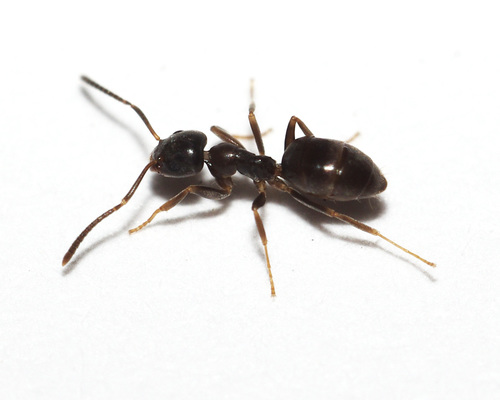
Virginia, US
Puedes ver Hormiga Casera Olorosa y Willow Leaf Beetle.
Ver guía →
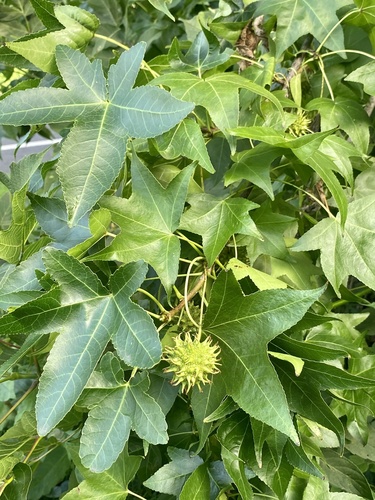
District of Columbia, US
Puedes ver Liquidámbar Americano, Amur Honeysuckle y Virginia Creeper.
Ver guía →
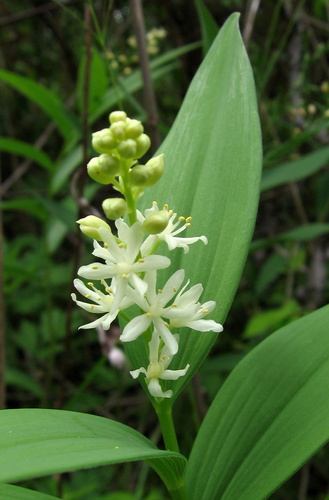
Michigan, US
Puedes ver Star-Flowered Lily-Of-The-Valley y Common Silverweed.
Ver guía →
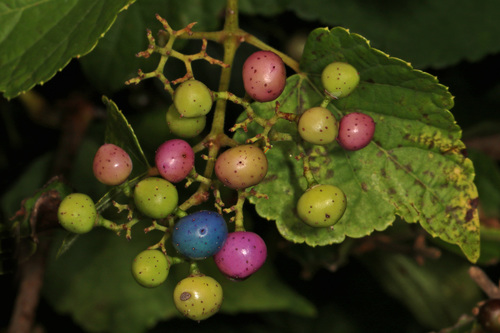
New York, US
Puedes ver Porcelain Berry y Common Mugwort.
Ver guía →

Wisconsin, US
Puedes ver Partridgeberry, Bluebead Lily y Cinnamon Fern.
Ver guía →

New York, US
Puedes ver Common Mugwort, Snow Goose × Brant y Spotted Lanternfly.
Ver guía →









_Syn.-_Trypocopris_vernalis_(Linn%C3%A9%2C_1758)_(19282920160).png&width=800)

