






Eurasian Coot
Fulica atra
The Eurasian Coot is a black bird with a white beak and a funny little bump on its forehead. It loves to swim in lakes and ponds, where it dives for food and plays with its friends.
Hábitat: Wetlands
The Eurasian Coot is a medium-sized waterbird, distinct with its dull black plumage, a bright white frontal shield, and a white bill. It has striking red eyes and large, dark grey lobed toes, making it easily identifiable from ducks or other similar waterfowl.
Categoría
AvesRareza
Common
Peligro
1/5 · Muy bajo
Snaps
¡Sé la primera persona en hacer un snap!
A group of coots gathered together is often called a 'cootie' or a 'cover.'
Baby coots are born with bright orange-red fluff on their heads!
Coots sometimes lay eggs in the nests of other coots, a sneaky trick!
They often chase other water birds, trying to steal their food!
Eurasian Coot has unique lobed feet that help them paddle efficiently and walk on soft lake bottoms.
Eurasian Coot can dive expertly underwater to forage for aquatic plants and small invertebrates.
Eurasian Coot has aggressive displays to protect its nesting territory from rivals and predators.
Eurasian Coot can run across the water's surface for short distances when taking flight or escaping danger.
Eurasian Coots are omnivores that eat a mix of aquatic plants and small water creatures.
Diferencias por edad: Young coots eat more insects, while adults consume more plant material.
Vulpes vulpes
Preys on coot adults and chicks near water bodies.
Accipiter gentilis
Can prey on adult coots from the air.
Esox lucius
Large pike may snatch coot chicks from the water.

Phragmites australis
Coots build their floating nests among these tall reeds.
Potamogeton natans
A significant part of the coot's aquatic plant diet.
Describe a los animales, principalmente aves, que poseen una cubierta de plumas.
Se caracteriza por tener los dedos conectados por una membrana, lo que generalmente ayuda a nadar.
Los animales sociales viven en grupos organizados, cooperando para obtener beneficios de supervivencia como la búsqueda de alimento, la defensa y la cría de descendencia.
Este rasgo identifica organismos cuya dieta incluye tanto materia vegetal como animal.

Los filtradores obtienen nutrientes filtrando partículas de alimentos suspendidos y pequeños organismos del agua.

Este rasgo de hábitat identifica especies que se encuentran en humedales, que son áreas de tierra saturadas de agua, ya sea permanente o estacionalmente, e incluyen marismas, pantanos y ciénagas.

Los hábitats de agua dulce incluyen entornos acuáticos no salinos como ríos, lagos, estanques y humedales, vitales para numerosas especies.

Los animales diurnos están activos principalmente durante el día y suelen descansar o dormir por la noche.

Los hábitats acuáticos abarcan entornos donde los organismos viven principalmente en el agua, incluidos océanos, ríos, lagos y humedales.

Los animales migratorios emprenden movimientos estacionales de una región a otra, típicamente en respuesta a cambios en el clima o la disponibilidad de alimentos.
Todavía no hay alias listados.
Peligro
1/5 · Muy bajo
Always watch birds from a distance and don't try to touch them.
32-42 cm
70-80 cm
0.58-1.2 kg
6-10 años
50 km/h
Eurasian Coots are omnivores that eat a mix of aquatic plants and small water creatures.
Wetlands
Foraging
Acércate para separar los grupos y explorar dónde se ha fotografiado este objeto.
Los snaps recientes aparecerán aquí a medida que se añadan nuevas observaciones.

South Holland, NL
Puedes ver Grey Heron, Eurasian Jackdaw y Common Moorhen.
Ver guía →
England, UK
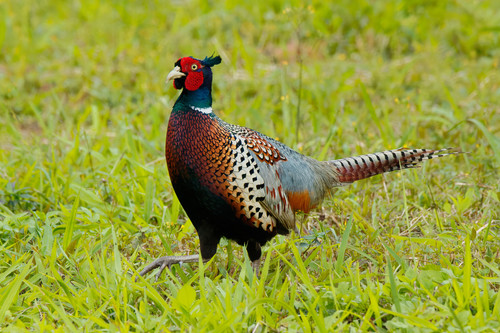
Puedes ver Faisán Común, Ganso y Eurasian Coot.
Ver guía →

England, UK
Puedes ver Black Swan, Alder Leaf Beetle y Anémona De Bosque.
Ver guía →




.jpg&width=800)









.jpg&width=800)

