.jpg&width=800)





Red Crossbill
Loxia curvirostra
The Red Crossbill is a special bird known for its unique crossed beak. This helps it crack open pine cones to eat the seeds inside. They are often found in forests and are very social birds.
Hábitat: Forests
The Red Crossbill has a unique beak where the upper and lower mandibles cross, a key identifier. Males are mostly brick-red with darker wings and tail, while females have yellowish-olive bodies. This unusual bill helps them stand out from other birds.
Categoría
AvesRareza
Common
Peligro
1/5 · Muy bajo
Snaps
¡Sé la primera persona en hacer un snap!
Crossbills can breed in winter's cold, raising chicks when snow still covers the ground!
Did you know Red Crossbills sometimes hang upside down like bats to get to tricky seeds?
Each type of Crossbill has its own unique call, like different secret codes!
They are "nomads of the sky," traveling far to find the best cone crops each year!
Red Crossbills have the ability to nest and breed almost any time of year when there's plenty of food, helping their babies thrive.
Red Crossbills can develop different bill shapes adapted to efficiently open specific conifer cones, helping them specialize.
They mostly munch on seeds from pine, spruce, and fir cones, using their unique beak to get them out!
Pinus strobus
Relies on its cones for seeds, a key food source.
Picea glauca
Feeds heavily on the seeds found within its cones.
Accipiter gentilis
A swift forest hawk that actively preys on smaller birds.
Describe a los animales, principalmente aves, que poseen una cubierta de plumas.
Los animales sociales viven en grupos organizados, cooperando para obtener beneficios de supervivencia como la búsqueda de alimento, la defensa y la cría de descendencia.
Los animales cantores producen vocalizaciones complejas, a menudo con el propósito de atraer parejas, defender el territorio o comunicarse dentro de su especie.
Este rasgo caracteriza a los organismos cuya dieta consiste total o principalmente en material vegetal.

Los hábitats boscosos son entornos terrestres dominados por una densa cubierta arbórea, que sustentan una gran diversidad de vida animal y vegetal.

Los animales diurnos están activos principalmente durante el día y suelen descansar o dormir por la noche.
Todavía no hay alias listados.
Peligro
1/5 · Muy bajo
Enjoy watching birds from a distance, and don't try to touch or catch them.
13-18 cm
27-31 cm
0.025-0.045 kg
2-7 años
45 km/h
They mostly munch on seeds from pine, spruce, and fir cones, using their unique beak to get them out!
Forests
Foraging
Acércate para separar los grupos y explorar dónde se ha fotografiado este objeto.
Los snaps recientes aparecerán aquí a medida que se añadan nuevas observaciones.

Pennsylvania, US
Puedes ver Grey Alder, Sensitive Fern y Interrupted Clubmoss.
Ver guía →
.jpg)
South Dakota, US
Puedes ver Least Chipmunk, Rocky Mountains Ponderosa Pine y Cabra Montesa.
Ver guía →
South Dakota, US
Puedes ver Borrego Cimarrón y Narrow-Leaved Purple Coneflower.
Ver guía →

Ontario, CA
Puedes ver Flor De Cardenal, Canadian Bunchberry y Twinflower.
Ver guía →

British Columbia, CA
Puedes ver Salal, Evergreen Huckleberry y Abeto De Douglas.
Ver guía →
British Columbia, CA
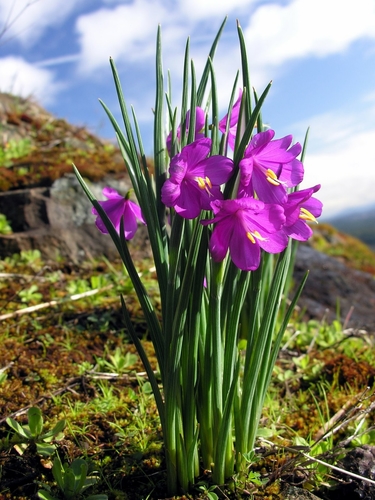
Puedes ver Grasswidow, Broad-Leaved Stonecrop y Rustyhair Saxifrage.
Ver guía →