Evening Bats
Vespertilionidae
Evening bats are small, flying mammals that come out at night. They help keep the insect population down by eating bugs while they fly around in the dark.
Hábitat: Forests
The Evening Bats typically have small bodies covered in soft, often dull brown or gray fur. They feature simple faces without elaborate nose leaves and possess broad, leathery wings that are usually dark-colored.
Categoría
MamíferosRareza
Common
Peligro
1/5 · Muy bajo
Snaps
¡Sé la primera persona en hacer un snap!
Evening bats can hear sounds too high for humans to even detect!
Many evening bats migrate thousands of kilometers, like tiny flying adventurers!
Some tiny evening bats are no bigger than your thumb, yet they can fly!
They are super important pest controllers, helping farmers by eating crop-munching bugs.
Evening Bats can "see" in the dark using echolocation, emitting sounds that bounce off objects, helping them hunt.
Evening Bats have highly flexible wings that allow for agile, swooping flight, helping them chase fast-moving insects mid-air.
Evening Bats possess specialized claws on their feet that allow them to hang upside down effortlessly for rest and sleep.
These small night flyers are expert bug-eaters, helping control insect populations.
_Female_Dos.jpg&width=800)
Lymantria dispar
eats the adult moths
Tyto alba
preys on bats during nocturnal flights
Accipiter cooperii
catches bats during dawn or dusk
Peludo describe a los animales que poseen una cubierta densa de pelo o pelaje suave.
Los animales solitarios viven solos durante la mayor parte de su vida y solo interactúan con otros para aparearse o cuidar de sus crías.
Las criaturas aéreas pasan una parte importante de su vida en el aire, utilizando el vuelo para diversas actividades como la caza, la migración o la anidación.
Este rasgo identifica a los organismos cuya dieta consiste principalmente en insectos y otros pequeños invertebrados.

Los hábitats boscosos son entornos terrestres dominados por una densa cubierta arbórea, que sustentan una gran diversidad de vida animal y vegetal.

La ecolocalización es un sonar biológico utilizado por los animales para navegar, cazar y comunicarse emitiendo ondas sonoras e interpretando los ecos.

Este rasgo identifica a los organismos que exhiben una rapidez excepcional en sus movimientos para cazar, escapar o desplazarse.

Los animales nocturnos están principalmente activos durante la noche, y suelen descansar o dormir durante el día.
Peligro
1/5 · Muy bajo
Bats are usually not dangerous, but it's best to watch them from a distance.
4-8 cm
20-35 cm
0.005-0.02 kg
6-20 años
30 km/h
These small night flyers are expert bug-eaters, helping control insect populations.
Forests
Pursuit
Acércate para separar los grupos y explorar dónde se ha fotografiado este objeto.
Los snaps recientes aparecerán aquí a medida que se añadan nuevas observaciones.

Pennsylvania, US
Puedes ver Petirrojo Americano, Kentucky Yellowwood y Cornejo De Kousa.
Ver guía →

British Columbia, CA
Puedes ver Greater Yellowlegs, Glaucous-Winged Gull y Haya Europea.
Ver guía →
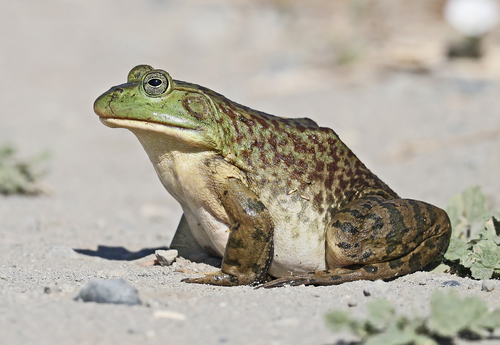
British Columbia, CA
Puedes ver Rana Toro Americana, Salal y Culebra De Liga.
Ver guía →
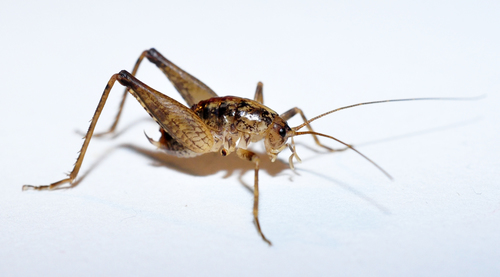
British Columbia, CA
Puedes ver Pristoceuthophilus Celatus y Western Rattlesnake Plantain.
Ver guía →