






false bindweeds
Calystegia
False bindweeds are climbing plants with pretty flowers that can be white or pink. They like to grow in sunny places and can climb up fences and walls, making them look very beautiful in gardens.
Hábitat: Urban areas
The false bindweeds has twining stems and arrow-shaped leaves. Its showy, trumpet-shaped flowers are typically white or pink, often larger than true bindweeds. A pair of leaf-like structures (bracts) enclose the flower's base.
Categoría
PlantasRareza
Common
Peligro
2/5 · Bajo
Snaps
¡Sé la primera persona en hacer un snap!
Before blooming, two little leafy "bracts" hug the flower bud like tiny protectors!
Some false bindweeds' roots can dive several feet deep, making them super tough!
Their beautiful trumpet flowers often close up tight at night or on cloudy days!
This quick-growing plant can spiral around fences or other plants for support!
False bindweeds has flexible stems that coil around supports, helping it climb high to reach sunlight and grow.
False bindweeds can spread rapidly using deep, extensive underground roots (rhizomes) to colonize new areas.
False bindweeds grows quickly, allowing it to cover ground fast and outcompete other plants for light and space.
Apis mellifera
Collects nectar and pollen
Chelymorpha cassidea
Larvae feed on leaves

Cuscuta campestris
Steals nutrients from host plant
Las plantas trepadoras o enredaderas se caracterizan por un hábito de crecimiento que les permite ascender enrollándose o usando zarcillos o raíces adhesivas.
Las plantas con flores son cualquier planta que produce flores como parte de su ciclo reproductivo.
Las plantas ornamentales se cultivan principalmente por su atractivo estético, embelleciendo paisajes y jardines con su atractivo follaje, flores o forma.
Las plantas de floración de verano producen sus flores durante la temporada estival, a menudo aportando un color vibrante cuando muchas otras plantas ya han terminado de florecer.

Las flores fragantes emiten un aroma agradable, a menudo para atraer polinizadores o como defensa.

Esta característica de hábitat indica especies que pueden coexistir con los humanos en entornos urbanos y suburbanos, utilizando estructuras artificiales y espacios verdes.
Todavía no hay alias listados.
Peligro
2/5 · Bajo
Don't eat any part of the plant, and always wash your hands after touching it.
30-300 cm
50-500 cm
3-7 cm
Late spring to early fall
No
Leve
Perenne
Insectos
Acércate para separar los grupos y explorar dónde se ha fotografiado este objeto.
Los snaps recientes aparecerán aquí a medida que se añadan nuevas observaciones.
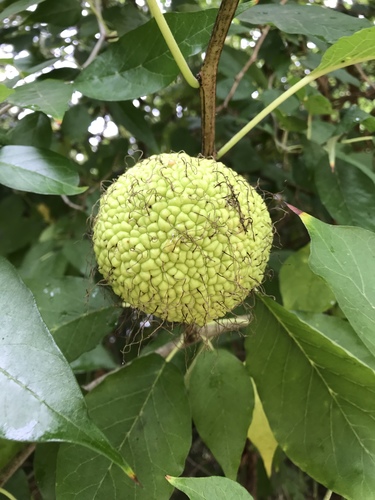
Virginia, US
Puedes ver Osage-Orange, Willow Oak y Cornejo De Kousa.
Ver guía →
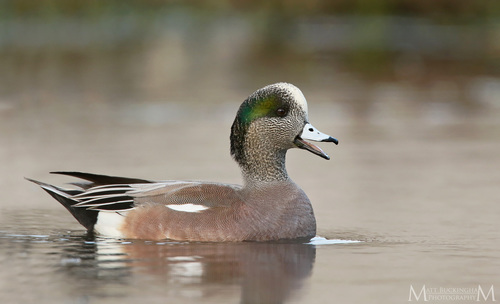
Washington, US
Puedes ver American Wigeon, Madrone Skin Miner y Ardilla Gris Oriental.
Ver guía →

Pennsylvania, US
Puedes ver Carolina Horsenettle, Common Soapwort y Varas De Oro.
Ver guía →









.jpg&width=800)





