.jpg&width=800)





False Heath Fritillary
Melitaea diamina
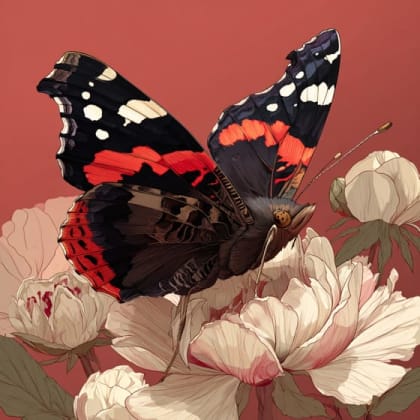
The False Heath Fritillary is a beautiful butterfly with orange and black patterns on its wings. It loves to flutter around flowers and is a special sight in meadows during warm days.
Hábitat: Meadows
The False Heath Fritillary has orange-brown wings with a distinctive dark brown checkerboard pattern on the upper side. Its hindwing undersides feature pale yellow and brown bands, uniquely marked with a row of small, dark-ringed white spots, helping to distinguish it from similar fritillaries.
Categoría
InsectosRareza
Common
Peligro
1/5 · Muy bajo
Snaps
¡Sé la primera persona en hacer un snap!
Adult butterflies only live for about two weeks after emerging!
Its caterpillars have spiky black bodies with bright orange stripes!
These butterflies love to visit purple flowers to sip their sweet nectar!
They spend winter as tiny caterpillars, hidden away until spring!
False Heath Fritillary has intricate checkered wing patterns that help them blend into sun-dappled grassy meadows, avoiding detection.
False Heath Fritillary can lay its eggs specifically on certain plants, ensuring caterpillars have the right food to grow.
Caterpillars munch on leaves, while adult butterflies sip sweet nectar from flowers.
Diferencias por edad: Caterpillars eat specific host plant leaves; adults forage for nectar from various flowers.
Valeriana dioica
Caterpillars feed exclusively on its leaves.
Cirsium palustre
Adults drink nectar, helping to spread its pollen.
Erithacus rubecula
Young birds can prey on the adult butterflies.
Cotesia melitaearum
Its larvae develop inside the butterfly's caterpillar.
Los animales solitarios viven solos durante la mayor parte de su vida y solo interactúan con otros para aparearse o cuidar de sus crías.
El camuflaje describe a los organismos que poseen colores o patrones que les permiten mezclarse con su entorno.
Colorido describe a organismos u objetos que exhiben una amplia variedad de colores brillantes y distintivos.
Este rasgo caracteriza a los organismos cuya dieta consiste total o principalmente en material vegetal.

Describe plantas que son particularmente atractivas y beneficiosas para una amplia variedad de organismos polinizadores.

Los hábitats de pastizales son biomas terrestres dominados por pastos y plantas herbáceas, que sustentan a una variedad de animales de pastoreo.

Los animales diurnos están activos principalmente durante el día y suelen descansar o dormir por la noche.

Describe organismos que transfieren polen, permitiendo la fertilización y reproducción de las plantas.
Todavía no hay alias listados.
Peligro
1/5 · Muy bajo
Be gentle and quiet around butterflies so they don't get scared away.
32-42 mm
15-20 mm
7-14 días
8-16 km/h
Caterpillars munch on leaves, while adult butterflies sip sweet nectar from flowers.
Meadows
Foraging
6
Acércate para separar los grupos y explorar dónde se ha fotografiado este objeto.
Los snaps recientes aparecerán aquí a medida que se añadan nuevas observaciones.




_Pyrgus_malvoides_-_France_-_male.jpg&width=800)