






Flax-Leaved Horseweed
erigeron bonariensis
Flax-Leaved Horseweed is a tall plant with slender leaves that sway gently in the breeze! Its bright flowers attract butterflies and bees, making it a fun spot to explore for little nature lovers.
Hábitat: It lives in open fields, disturbed areas, and along roadsides.
The Flax-Leaved Horseweed is a tall, upright plant with slender, reddish-green stems and narrow, flax-like leaves. Its numerous tiny, whitish-purple flower heads grow in dense clusters at the top, later transforming into fluffy, bristly seed puffs that make it visually distinct from many field plants.
Categoría
PlantasRareza
Common
Peligro
0/5 · Sin peligro conocido
Snaps
¡Sé la primera persona en hacer un snap!
Ancient Invader! It arrived in Europe from South America centuries ago!
Concrete Conqueror! It can sprout and thrive even in cracks in sidewalks!
Global Hitchhiker! This amazing plant has spread its seeds to almost every continent!
Seed Sprinter! A single plant can produce hundreds of thousands of wind-blown seeds!
Flax-Leaved Horseweed can produce thousands of feathery seeds, allowing them to drift far on the wind to colonize new areas quickly.
Flax-Leaved Horseweed has a strong taproot and flexible stems, helping it withstand drought and grow in disturbed, poor soils.
Apis mellifera
Gathers nectar and pollen from its tiny flowers.
Macrosiphoniella erigeronis
Feeds on the plant's sap and soft tissues.
.JPG&width=800)
Sylvilagus floridanus
Browses on its leaves and tender stems.
Spodoptera frugiperda
Larvae chew on its leaves and growing points.
Colorido describe a organismos u objetos que exhiben una amplia variedad de colores brillantes y distintivos.
Este rasgo caracteriza a los organismos cuya dieta consiste total o principalmente en material vegetal.
Los hábitats de pastizales son biomas terrestres dominados por pastos y plantas herbáceas, que sustentan a una variedad de animales de pastoreo.
Los animales diurnos están activos principalmente durante el día y suelen descansar o dormir por la noche.

Describe organismos que transfieren polen, permitiendo la fertilización y reproducción de las plantas.
Peligro
0/5 · Sin peligro conocido
Todavía no hay notas especiales de seguridad.
30-100 cm
15-30 cm
0.3-0.7 cm
Late Spring to Fall
No
Ninguna
Anual
Insectos
Acércate para separar los grupos y explorar dónde se ha fotografiado este objeto.
Los snaps recientes aparecerán aquí a medida que se añadan nuevas observaciones.
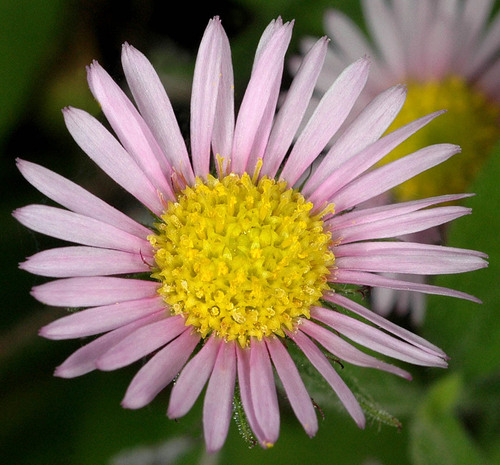
Pennsylvania, US
Puedes ver Fleabanes and Horseweeds, Honey Locust y Mariposa Almirante.
Ver guía →
California, US
Puedes ver Anolis Verde, Chinese Privet y Pato Criollo.
Ver guía →
Pennsylvania, US
Puedes ver Paulownia, Mariquita Asiática y Spotted Lanternfly.
Ver guía →
California, US
Puedes ver Field Bindweed, Charlock y Figeater Beetle.
Ver guía →




_(8592459332).jpg&width=800)








.jpg&width=800)



