.JPG&width=800)





Eastern Cottontail
Sylvilagus floridanus
The Eastern Cottontail is a fluffy rabbit with big ears and a cute cotton-like tail. They love to hop around in gardens and fields, munching on grass and veggies!
Hábitat: Grasslands
The Eastern Cottontail has soft, brownish-gray fur with a distinctive fluffy white tail that resembles a cotton ball. Its underside is light gray to white, and it possesses large eyes and prominent ears. Its earth-toned coat helps it blend into natural surroundings.
Categoría
MamíferosRareza
Common
Peligro
1/5 · Muy bajo
Snaps
¡Sé la primera persona en hacer un snap!
Wow! A cottontail can jump an impressive 15 feet in a single powerful bound!
Wow! Cottontail teeth never stop growing, so they constantly gnaw to keep them short!
Wow! Each year, a female cottontail can have up to seven litters of baby bunnies!
Wow! They eat their own special poop, called cecotropes, to get extra nutrients!
Eastern Cottontails can run in unpredictable zigzags that help them confuse and escape from chasing predators.
Eastern Cottontails have large, swiveling ears that help them pinpoint predator sounds from a distance.
Eastern Cottontails have earth-toned fur that helps them blend perfectly into their habitat, avoiding detection.
These herbivores munch on various plants, like grasses, leaves, and twigs, to get all their energy.
Diferencias por edad: Young kits drink mother's milk, then slowly transition to solid plant foods.
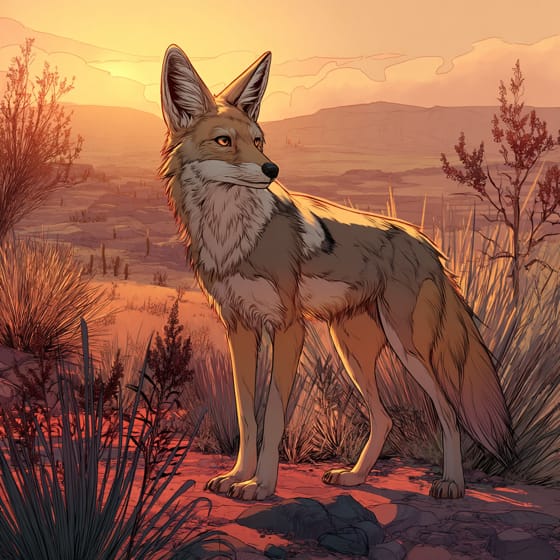
Canis latrans
Coyotes actively hunt cottontails for food.
Buteo jamaicensis
Hawks spot and capture cottontails from above.
Lynx rufus
Bobcats are skilled predators of cottontail rabbits.
_Clock_-_Tennessee%2C_USA_-_May_31%2C_2014.jpg&width=800)
Taraxacum officinale
Cottontails frequently consume dandelion leaves.
Peludo describe a los animales que poseen una cubierta densa de pelo o pelaje suave.
Los animales sociales viven en grupos organizados, cooperando para obtener beneficios de supervivencia como la búsqueda de alimento, la defensa y la cría de descendencia.
Los animales excavadores cavan túneles y cámaras en el suelo y utilizan estas estructuras subterráneas para refugiarse, cazar o reproducirse.
Este rasgo caracteriza a los organismos cuya dieta consiste total o principalmente en material vegetal.

Los hábitats de pastizales son biomas terrestres dominados por pastos y plantas herbáceas, que sustentan a una variedad de animales de pastoreo.

Este rasgo identifica a los organismos que exhiben una rapidez excepcional en sus movimientos para cazar, escapar o desplazarse.

Los animales nocturnos están principalmente activos durante la noche, y suelen descansar o dormir durante el día.
Peligro
1/5 · Muy bajo
If you see a rabbit, watch quietly from a distance. Don't try to touch or chase them.
38-48 cm
0.8-1.5 kg
2-5 años
29 km/h
These herbivores munch on various plants, like grasses, leaves, and twigs, to get all their energy.
Grasslands
Foraging
1-8
Acércate para separar los grupos y explorar dónde se ha fotografiado este objeto.
Los snaps recientes aparecerán aquí a medida que se añadan nuevas observaciones.

Massachusetts, US
Puedes ver Pato, Petirrojo Americano y Cisne Vulgar.
Ver guía →

Maryland, US
Puedes ver Garza Azulada, Azulejo Oriental y Ciervo De Cola Blanca.
Ver guía →
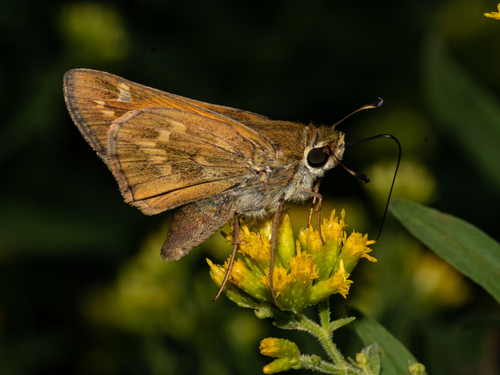
New Jersey, US
Puedes ver Huron Skipper, Garza Azulada y Petirrojo Americano.
Ver guía →
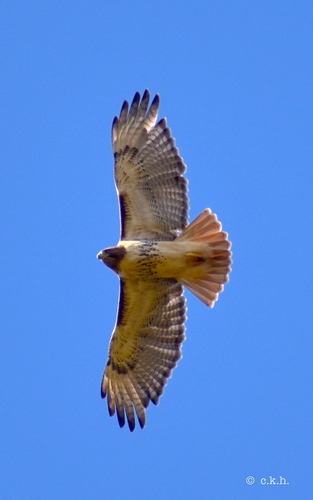
New Hampshire, US
Puedes ver Busardo Colirrojo, Cardenal Norteño y Chipping Sparrow.
Ver guía →
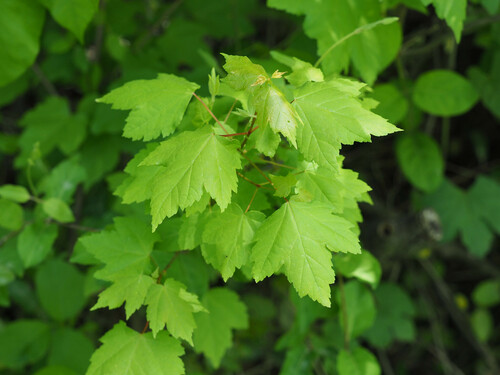
Virginia, US
Puedes ver Arce Rojo, Spotted Lanternfly y Cardenal Norteño.
Ver guía →

New Jersey, US
Puedes ver Ciervo De Cola Blanca, Barnacla Canadiense y Tordo Sargento.
Ver guía →