Florida Airplant
tillandsia × floridana
The Florida Airplant is a unique plant that doesn't need soil to grow! It gets all its nutrients and water from the air and rain.
Hábitat: Florida's coastal areas and forests, often seen hanging from trees.
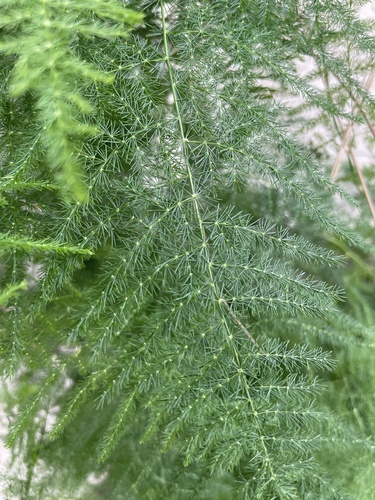
The Florida Airplant is a small, silvery-green plant forming a compact rosette. Its leaves are covered in tiny, fuzzy scales called trichomes, giving it a soft, greyish appearance that distinguishes it from other smooth-leafed plants. It can sometimes develop a reddish blush when stressed or blooming.
Categoría
PlantasRareza
Common
Peligro
0/5 · Sin peligro conocido
Snaps
¡Sé la primera persona en hacer un snap!
Did you know airplants are technically part of the pineapple family? They're very distant cousins!
Some tiny creatures, like frogs and insects, use airplants as mini hideouts in the jungle canopy!
Unlike most plants, airplants don't use their roots to drink water; their roots are just sticky anchors!
When an airplant blooms, it often makes baby airplants, called 'pups,' that grow right from its base!
Florida Airplant has special fuzzy scales called trichomes that help it absorb water and nutrients directly from humid air and rain, without needing soil.
Florida Airplant can grow perched high on tree branches, using tiny roots only for gripping, allowing it to reach sunlight away from ground-dwelling predators.
Florida Airplant can perform CAM photosynthesis, opening its pores at night to collect carbon dioxide, which drastically reduces water loss during hot, sunny days.

Archilochus colubris
Visits flowers for nectar.
Apis mellifera
Collects pollen and nectar.
Hyla cinerea
Hides within the plant's rosette.
Metamasius callizona
Larvae feed on the plant.
Los animales arborícolas viven principalmente en los árboles, utilizándolos como refugio, alimento y protección contra los depredadores.
Colorido describe a organismos u objetos que exhiben una amplia variedad de colores brillantes y distintivos.
Los hábitats costeros son entornos dinámicos situados a lo largo de la interfaz entre la tierra y el mar, influenciados por las mareas, las olas y el agua salada.
Los animales diurnos están activos principalmente durante el día y suelen descansar o dormir por la noche.

El estado de peligro de extinción indica que una especie corre un riesgo muy alto de extinguirse en estado silvestre en un futuro próximo.
Peligro
0/5 · Sin peligro conocido
Todavía no hay notas especiales de seguridad.
10-30 cm
10-30 cm
0.5-1.5 cm
Spring-summer
No
Ninguna
Perenne
Aves
Acércate para separar los grupos y explorar dónde se ha fotografiado este objeto.
Los snaps recientes aparecerán aquí a medida que se añadan nuevas observaciones.









_(6360549829).jpg&width=800)