






Ruby-throated Hummingbird
Archilochus colubris
The Ruby-throated Hummingbird is a tiny bird known for its bright green back and sparkling red throat. These little birds are amazing fliers and can hover in one spot while they sip nectar from flowers.
Hábitat: Forests
The Ruby-throated Hummingbird is a tiny, iridescent bird with a bright emerald green back and whitish underparts. Males display a dazzling, fiery ruby-red throat patch, contrasting with the plain white throat of females and juveniles.
Categoría
AvesRareza
Common
Peligro
1/5 · Muy bajo
Snaps
¡Sé la primera persona en hacer un snap!
Their brain is only the size of a tiny pea, yet they are so smart!
Their tiny heart beats over 1,200 times per minute!
These birds enter a deep sleep called torpor to save energy at night.
They are the only hummingbird species to breed in eastern North America.
Ruby-throated Hummingbird can hover perfectly in mid-air because of unique wing rotation, helping them drink nectar.
Ruby-throated Hummingbird has a long, grooved tongue that helps them quickly lap up nectar from deep inside flowers.
Ruby-throated Hummingbird can beat its tiny wings over 50 times per second to power its high-energy flight.
Ruby-throated Hummingbird can fly thousands of kilometers non-stop, crossing oceans during migration.
They mostly drink sweet flower nectar for energy and eat small insects for protein.
4.jpg&width=800)
Monarda didyma
Drinks nectar, transferring pollen between flowers.
Argiope aurantia
Can be caught in large, strong spider webs.
Culex pipiens
Catches and eats small flying insects for protein.
Quercus alba
Nests are often built on thin branches of trees.
Describe a los animales, principalmente aves, que poseen una cubierta de plumas.
Las criaturas aéreas pasan una parte importante de su vida en el aire, utilizando el vuelo para diversas actividades como la caza, la migración o la anidación.
Colorido describe a organismos u objetos que exhiben una amplia variedad de colores brillantes y distintivos.
Este rasgo caracteriza a los organismos cuya dieta consiste total o principalmente en material vegetal.

Los hábitats boscosos son entornos terrestres dominados por una densa cubierta arbórea, que sustentan una gran diversidad de vida animal y vegetal.

Los animales diurnos están activos principalmente durante el día y suelen descansar o dormir por la noche.

Describe una especie cuya presencia y papel tienen un efecto desproporcionadamente grande en su entorno.

Este rasgo identifica a los organismos que exhiben una rapidez excepcional en sus movimientos para cazar, escapar o desplazarse.

Los animales migratorios emprenden movimientos estacionales de una región a otra, típicamente en respuesta a cambios en el clima o la disponibilidad de alimentos.

Describe organismos que transfieren polen, permitiendo la fertilización y reproducción de las plantas.
Todavía no hay alias listados.
Peligro
1/5 · Muy bajo
Watch hummingbirds from a distance and don't try to touch them, as they are very small and quick.
7-9 cm
8-11 cm
0.002-0.006 kg
3-5 años
50 km/h
They mostly drink sweet flower nectar for energy and eat small insects for protein.
Forests
Foraging
Acércate para separar los grupos y explorar dónde se ha fotografiado este objeto.
Los snaps recientes aparecerán aquí a medida que se añadan nuevas observaciones.
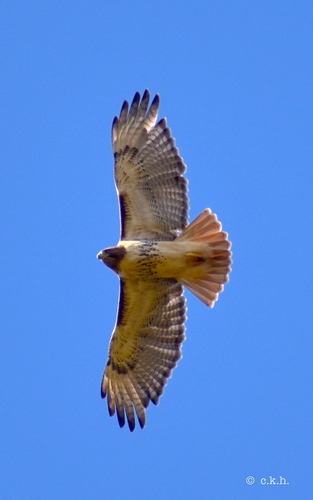
New Hampshire, US
Puedes ver Busardo Colirrojo, Cardenal Norteño y Chipping Sparrow.
Ver guía →
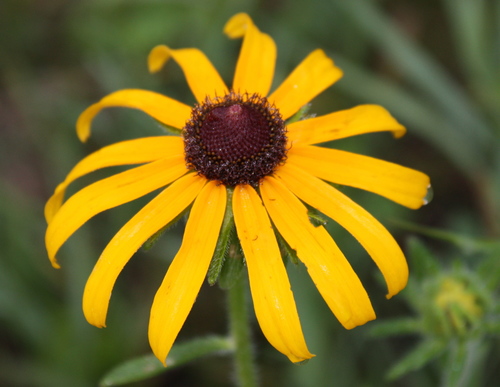
Virginia, US
Puedes ver Rudbeckia, Picamaderos Norteamericano y Monarch.
Ver guía →

Pennsylvania, US
Puedes ver Rana Toro Americana, Allegheny Monkeyflower y Partridgeberry.
Ver guía →

North Carolina, US
Puedes ver Cipreses Calvos, Southern Cricket Frog y Green Treefrog.
Ver guía →




.jpg&width=800)

.jpg&width=800)



