






Freshwater Crocodile
Crocodylus johnstoni
The freshwater crocodile is a cool reptile that lives in rivers and lakes. They have a long body and a big smile with lots of sharp teeth, but they mostly like to relax in the sun and swim.
Hábitat: Wetlands
The Freshwater Crocodile is a medium-sized reptile with a very slender snout, perfect for catching fish. It has an olive-brown body with darker bands, which helps it blend into its riverine habitat. Its narrow jaw easily distinguishes it from the broader-snouted Saltwater Crocodile.
Categoría
ReptilesRareza
Common
Peligro
4/5 · Alto
Snaps
¡Sé la primera persona en hacer un snap!
Freshwater Crocodiles have excellent night vision, helping them hunt after dark.
These crocs can gallop on land, moving surprisingly fast over short distances!
They build nests in sandy banks, burying their eggs for safety and warmth.
Unlike many crocs, they rarely attack humans, preferring fish and insects.
Freshwater Crocodiles have special sensory organs on their skin that help them detect prey movements in murky water.
Freshwater Crocodiles can hold their breath for long periods, helping them stay hidden underwater while ambushing prey.
Freshwater Crocodiles can make quick, powerful bursts of speed both in water and on land to escape danger.
These crocs love to snap up fish, frogs, and insects from freshwater habitats!
Diferencias por edad: Young crocs eat mostly insects; adults focus more on fish and larger prey.
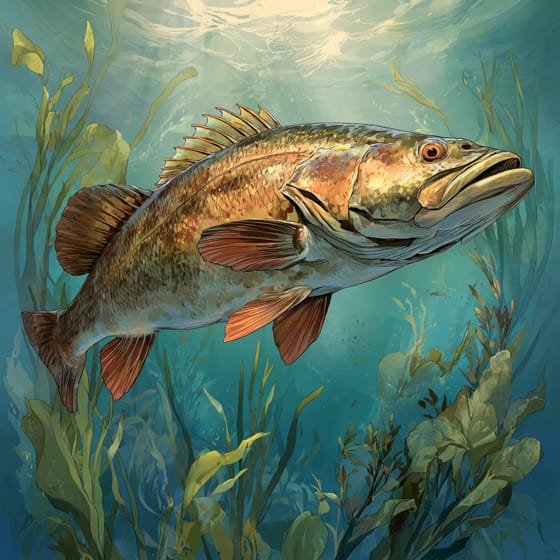
Lates calcarifer
A favorite meal in northern Australian rivers.
Rhinella marina
Can sometimes eat invasive toads, surprisingly.
Crocodylus porosus
Young freshwater crocs are prey for larger saltwater crocs.
Varanus panoptes
Lizards sometimes raid nests for their delicious eggs.
Los animales solitarios viven solos durante la mayor parte de su vida y solo interactúan con otros para aparearse o cuidar de sus crías.
El camuflaje describe a los organismos que poseen colores o patrones que les permiten mezclarse con su entorno.
Un depredador de emboscada caza esperando pacientemente y ocultándose, para luego lanzar un ataque repentino cuando una presa desprevenida se pone a su alcance.
Este rasgo de hábitat identifica especies que se encuentran en humedales, que son áreas de tierra saturadas de agua, ya sea permanente o estacionalmente, e incluyen marismas, pantanos y ciénagas.

Acorazado describe a los animales protegidos por una cubierta externa dura o caparazón para defenderse.

Los hábitats de agua dulce incluyen entornos acuáticos no salinos como ríos, lagos, estanques y humedales, vitales para numerosas especies.

Este rasgo identifica a los organismos cuya dieta consiste total o principalmente en tejido animal.

Describe una especie cuya presencia y papel tienen un efecto desproporcionadamente grande en su entorno.

El estado de peligro de extinción indica que una especie corre un riesgo muy alto de extinguirse en estado silvestre en un futuro próximo.
Todavía no hay alias listados.
Peligro
4/5 · Alto
Always stay away from the water's edge where crocodiles might be resting.
150-300 cm
15-70 kg
50-70 años
15 km/h
These crocs love to snap up fish, frogs, and insects from freshwater habitats!
15 km/h
Wetlands
Ambush
Acércate para separar los grupos y explorar dónde se ha fotografiado este objeto.
Los snaps recientes aparecerán aquí a medida que se añadan nuevas observaciones.








.jpg&width=800)





