






gaultheria leafminer moth
Cameraria gaultheriella
The gaultheria leafminer moth is a tiny insect that loves to munch on leaves. It makes little tunnels inside leaves, which can look like tiny mazes. These moths are special because they help show how plants are doing!
Hábitat: Forests
The gaultheria leafminer moth is a tiny insect, featuring shiny, silvery-white forewings patterned with distinct dark brown or blackish bands and spots. Its delicate wings often have long fringes along the edges. It is easily recognized by these specific, intricate wing markings.
Categoría
InsectosRareza
Common
Peligro
1/5 · Muy bajo
Snaps
¡Sé la primera persona en hacer un snap!
Even though they eat leaves, they usually don't hurt the big salal plant too much!
Its tiny babies eat and grow *inside* a leaf, staying hidden from hungry birds!
The 'art' on a salal leaf, like a squiggly line, is actually a tunnel made by this moth's larva.
These moths are so small, you might think they're just tiny flecks of dust flying around!
Gaultheria leafminer moth larvae can live and eat entirely inside a leaf because their flattened bodies help them tunnel safely between leaf layers.
This moth has a special ability to find specific salal plants (Gaultheria shallon) because its offspring can only survive eating these leaves.
The moth's caterpillar creates a 'tentiform' mine, lifting the leaf surface to form a protective hideaway that helps it stay safe from predators.
Young moths munch on salal leaves from the inside, while adult moths usually don't eat much.
Diferencias por edad: Larvae eat plant tissue inside leaves; adults primarily focus on reproduction and rarely feed.

Gaultheria shallon
Larvae develop by eating the leaves of this specific plant.
Poecile atricapillus
Chickadees forage for leafminer larvae inside leaves.
Sympiesis marylandensis
The wasp lays eggs on the larva, which it then consumes.
Los animales solitarios viven solos durante la mayor parte de su vida y solo interactúan con otros para aparearse o cuidar de sus crías.
Este rasgo caracteriza a los organismos cuya dieta consiste total o principalmente en material vegetal.
Los hábitats boscosos son entornos terrestres dominados por una densa cubierta arbórea, que sustentan una gran diversidad de vida animal y vegetal.
Describe a los organismos que descomponen la materia orgánica muerta, reciclando los nutrientes de vuelta al ecosistema.

Los animales diurnos están activos principalmente durante el día y suelen descansar o dormir por la noche.

Relativo a especies que son significativamente más pequeñas que lo típico o promedio de su tipo.

Describe organismos que transfieren polen, permitiendo la fertilización y reproducción de las plantas.
Todavía no hay alias listados.
Peligro
1/5 · Muy bajo
Always look but don't touch insects, as some can be delicate.
5-8 mm
2-4 mm
7-14 días
Young moths munch on salal leaves from the inside, while adult moths usually don't eat much.
Forests
6
Acércate para separar los grupos y explorar dónde se ha fotografiado este objeto.
Los snaps recientes aparecerán aquí a medida que se añadan nuevas observaciones.

British Columbia, CA
Puedes ver Broad-Leaved Stonecrop, Salal y Pacific Sanicle.
Ver guía →

British Columbia, CA
Puedes ver Babosa Banana, Arctic Butterbur y Coastal Brookfoam.
Ver guía →

British Columbia, CA
Puedes ver Ochre Sea Star, Aggregating Anemone y Western Starflower.
Ver guía →

British Columbia, CA
Puedes ver Salal, Evergreen Huckleberry y Abeto De Douglas.
Ver guía →
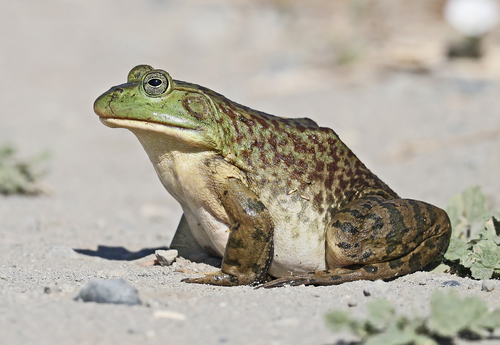
British Columbia, CA
Puedes ver Rana Toro Americana, Salal y Culebra De Liga.
Ver guía →
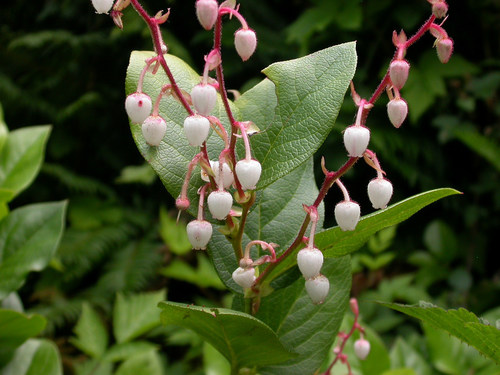
British Columbia, CA
Puedes ver Salal, Small Ground-Cone y Evergreen Huckleberry.
Ver guía →




.jpg&width=800)




.jpg&width=800)


