geraniums and cranesbills
Geranium
Geraniums are colorful flowers that bloom in many shades like pink, purple, and white. They are often found in gardens and can attract butterflies and bees, making them a fun flower to see!
Hábitat: Gardens
The geraniums and cranesbills has five-petaled flowers, often in shades of pink, purple, white, or red, sometimes with darker veins or centers. Its leaves are typically lobed or palmate, creating a lush, bushy appearance. The distinctive, beak-like seed pod helps differentiate it from other garden flowers.
Categoría
PlantasRareza
Common
Peligro
1/5 · Muy bajo
Snaps
¡Sé la primera persona en hacer un snap!
Parts of certain geraniums were once used to make a dye that changed color with the light!
Some cranesbill species can bloom for many months, providing color from spring until late autumn!
The name "cranesbill" comes from their seed pods, which look exactly like a crane's beak!
Wild geraniums are often called 'Woodland Geraniums' and thrive in shady forest spots!
Geraniums and cranesbills can fling their seeds far away when their unique seed pods burst, helping them spread to new places.
Geraniums and cranesbills have visible lines on their petals, called nectar guides, that direct insects to their sweet nectar for pollination.
Some geraniums and cranesbills have fragrant leaves that release strong scents when touched, deterring hungry animals from eating them.
Apis mellifera
Collects nectar and pollen
Bombus impatiens
Visits flowers for nectar
Cochylidia implicitana
Larvae feed on leaves
Las plantas aromáticas producen y emiten compuestos orgánicos volátiles fragantes, a menudo como defensa o para atraer a los polinizadores.
Las plantas con flores son cualquier planta que produce flores como parte de su ciclo reproductivo.
Las plantas ornamentales se cultivan principalmente por su atractivo estético, embelleciendo paisajes y jardines con su atractivo follaje, flores o forma.
Las plantas de floración de verano producen sus flores durante la temporada estival, a menudo aportando un color vibrante cuando muchas otras plantas ya han terminado de florecer.

Las flores fragantes emiten un aroma agradable, a menudo para atraer polinizadores o como defensa.

Colorido describe a organismos u objetos que exhiben una amplia variedad de colores brillantes y distintivos.

Describe plantas que son particularmente atractivas y beneficiosas para una amplia variedad de organismos polinizadores.

Esta característica de hábitat indica especies que pueden coexistir con los humanos en entornos urbanos y suburbanos, utilizando estructuras artificiales y espacios verdes.
Peligro
1/5 · Muy bajo
Always wash your hands after touching flowers and ask an adult if you're not sure about a plant.
10-100 cm
15-120 cm
1-5 cm
Spring to fall
No
Ninguna
Perenne
Insectos
Acércate para separar los grupos y explorar dónde se ha fotografiado este objeto.
Los snaps recientes aparecerán aquí a medida que se añadan nuevas observaciones.

District of Columbia, US
Puedes ver Ardilla Gris Oriental, Abeja y Purpletop Vervain.
Ver guía →
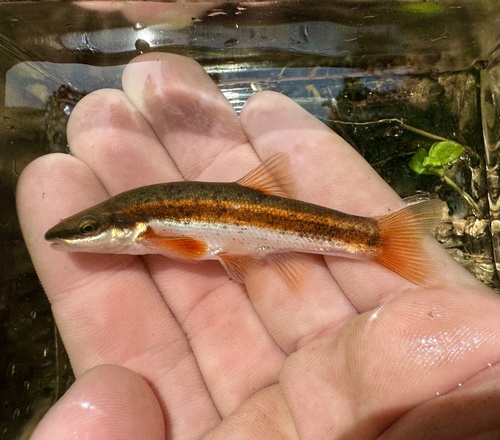
Virginia, US
Puedes ver Eastern Blacknose Dace y Common Jewelweed.
Ver guía →

Grand Est, FR
Puedes ver Lavandera Blanca, Gorrión Común y Ratón Casero.
Ver guía →