






plums, cherries, and allies
Prunus
Plums and cherries are delicious fruits that grow on trees. They come in many colors, like red, purple, and yellow, and are sweet and juicy, perfect for snacks!
Hábitat: Forests
The plums, cherries, and allies are typically trees or shrubs with smooth bark, often exfoliating in strips. They have simple, serrated leaves and produce beautiful white or pink five-petaled flowers, usually in clusters. Their distinct fruits are fleshy drupes, appearing in vibrant reds, purples, yellows, or oranges.
Categoría
PlantasRareza
Common
Peligro
1/5 · Muy bajo
Snaps
¡Sé la primera persona en hacer un snap!
Ancient Romans cultivated cherries and plums, spreading them across their empire!
Cherry wood is highly prized for making beautiful furniture and musical instruments.
Many cherry and plum pits contain a small amount of a cyanide compound.
The Prunus genus includes over 400 different kinds of trees and shrubs worldwide!
Plums, cherries, and allies produce delicious, sugary fruits that attract animals to eat them, spreading seeds far and wide.
Plums, cherries, and allies have leaves and seeds containing cyanide compounds, protecting them from hungry herbivores.
Plums, cherries, and allies often bloom very early in spring, giving them a head start on pollination before other plants.
Apis mellifera
Collects nectar and pollen, aiding reproduction.
Turdus migratorius
Feasts on ripe cherries, helping disperse seeds.
Rhagoletis indifferens
Larvae develop inside cherry fruits.
Ursus americanus
Enjoys sweet plums and cherries in season.
Las plantas caducifolias pierden periódicamente todas sus hojas, por lo general durante el otoño o las estaciones secas.
Las plantas con flores son cualquier planta que produce flores como parte de su ciclo reproductivo.
Las plantas de floración primaveral producen sus flores durante la temporada de primavera, lo que a menudo significa el final del invierno y el comienzo de un nuevo crecimiento.
Las plantas frutales producen frutos, que son los ovarios maduros de las plantas con flores que contienen semillas.

Las plantas medicinales poseen compuestos químicos que pueden utilizarse con fines terapéuticos para tratar enfermedades o mantener la salud.
Un árbol frutal es un árbol perenne que produce frutos comestibles para humanos o animales.

Las plantas comestibles son aquellas partes de una planta que se consideran seguras para el consumo humano.

Los hábitats boscosos son entornos terrestres dominados por una densa cubierta arbórea, que sustentan una gran diversidad de vida animal y vegetal.
Peligro
1/5 · Muy bajo
Always wash fruits before eating them to keep them clean and safe.
100-1500 cm
50-1000 cm
1-3 cm
Primavera
Sí
Leve
Perenne
Insectos
Acércate para separar los grupos y explorar dónde se ha fotografiado este objeto.
Los snaps recientes aparecerán aquí a medida que se añadan nuevas observaciones.
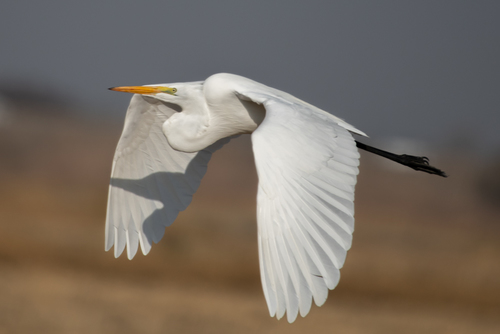
New Jersey, US
Puedes ver Great Egret, Pino Blanco Oriental y Haircap Moss.
Ver guía →
.jpg)
Ústí nad Labem Region, CZ
Puedes ver Pico Picapinos y Red-Crested Pochard.
Ver guía →
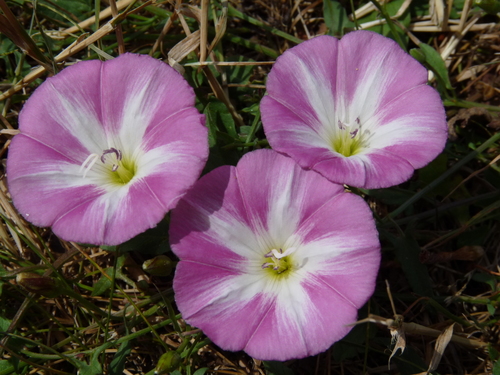
California, US
Puedes ver Field Bindweed, White Clover y Lesser Goldfinch.
Ver guía →
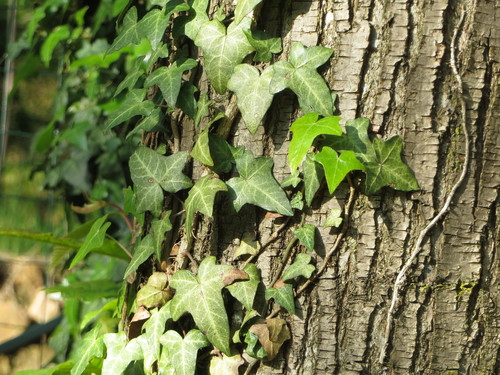
Oregon, US
Puedes ver Ivy, Plums, Cherries, and Allies y Tree-Of-Heaven.
Ver guía →
















