giant white fawn lily
Erythronium oregonum
The giant white fawn lily is a beautiful flower that blooms in spring. Its white petals look like little stars and can have a hint of pink. These flowers grow in shady places and are a delight to see in the wild!
Hábitat: Forests
The giant white fawn lily has large, waxy, pure white petals that gracefully curve backward, revealing a bright yellow base or throat. Its broad, mottled green leaves, often with brown spots, emerge from the forest floor.
Categoría
PlantasRareza
Common
Peligro
1/5 · Muy bajo
Snaps
¡Sé la primera persona en hacer un snap!
Ants help spread its seeds by carrying them to eat a special fatty attachment!
Each flower droops its head towards the ground, as if shyly looking down!
Its spotted leaves resemble a baby deer, giving it the name "fawn lily"!
These lilies can form large, stunning white carpets across forest floors in spring!
Giant white fawn lily has a deep bulb allowing it to sprout and bloom quickly after snow melts, utilizing early spring resources.
Giant white fawn lily can bloom very early in spring, capturing sunlight before tall trees leaf out and create shade.
Giant white fawn lily uses contractile roots to pull its bulb deeper into the soil, protecting it from drought and animals.
Bombus bifarius
Collects nectar and pollen from its flowers.
Odocoileus hemionus
Browses on its tender leaves and flowers.
Formica fusca
Disperses seeds after consuming a fatty elaiosome.
Rhizophagus irregularis
Forms a beneficial underground partnership for nutrients.
Las plantas con flores son cualquier planta que produce flores como parte de su ciclo reproductivo.
Las plantas de floración primaveral producen sus flores durante la temporada de primavera, lo que a menudo significa el final del invierno y el comienzo de un nuevo crecimiento.
Las plantas tolerantes a la sombra están adaptadas para crecer y prosperar en áreas con bajos niveles de luz, requiriendo menos luz solar directa.
Las flores fragantes emiten un aroma agradable, a menudo para atraer polinizadores o como defensa.

Las plantas comestibles son aquellas partes de una planta que se consideran seguras para el consumo humano.

Describe plantas que son particularmente atractivas y beneficiosas para una amplia variedad de organismos polinizadores.

Los hábitats boscosos son entornos terrestres dominados por una densa cubierta arbórea, que sustentan una gran diversidad de vida animal y vegetal.
Peligro
1/5 · Muy bajo
Always look but don't touch wild flowers, so they can keep growing for everyone to enjoy.
15-40 cm
10-20 cm
3-7 cm
Primavera
Sí
Leve
Perenne
Insectos
Acércate para separar los grupos y explorar dónde se ha fotografiado este objeto.
Los snaps recientes aparecerán aquí a medida que se añadan nuevas observaciones.
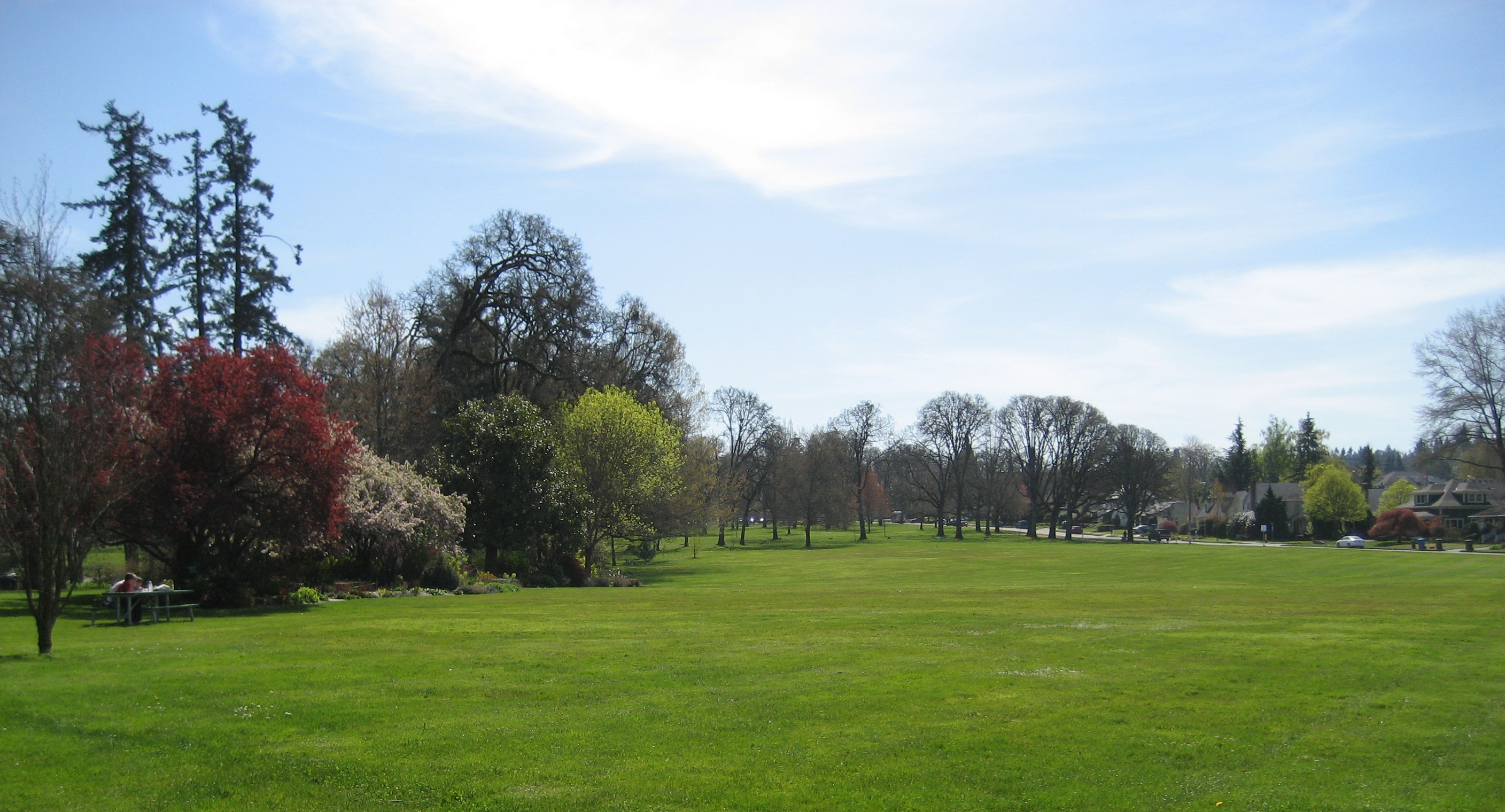
Oregon, US
Puedes ver Oregon Oak, Douglas's Ground Squirrel y Ardilla Gris Oriental.
Ver guía →

British Columbia, CA
Puedes ver Broad-Leaved Stonecrop, Foca Común y Ochre Sea Star.
Ver guía →

British Columbia, CA
Puedes ver Broad-Leaved Stonecrop, Salal y Pacific Sanicle.
Ver guía →

Washington, US
Puedes ver Oregon Oak, Pacific Madrone y Fairy-Slipper.
Ver guía →

British Columbia, CA
Puedes ver Barnacla Canadiense, Oregon Oak y Golondrina Común.
Ver guía →
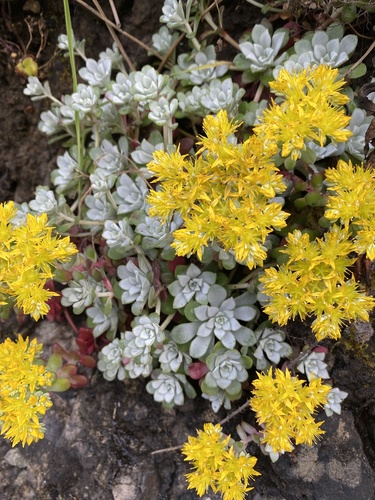
British Columbia, CA
Puedes ver Broad-Leaved Stonecrop y Littleleaf Silverback.
Ver guía →