






Glacier Lily
Erythronium grandiflorum
The Glacier Lily is a bright yellow flower that blooms in the spring. It grows in cool, mountainous areas and is a favorite for butterflies and bees!
Hábitat: Mountain regions
The Glacier Lily has vibrant yellow, nodding flowers with gracefully recurved petals, often appearing in clusters. Its lance-shaped leaves are typically green, sometimes mottled with brownish-purple, making it stand out against the melting snow.
Categoría
PlantasRareza
Common
Peligro
1/5 · Muy bajo
Snaps
¡Sé la primera persona en hacer un snap!
Each seed has a tasty treat for ants, convincing them to carry it far away!
Glacier Lily flowers actually tilt their heads to follow the sun's path all day long!
Its leaves and flowers burst forth so quickly, they can melt tunnels through fresh snow!
The underground bulb, sometimes called a "dogtooth," stores energy for years!
Glacier Lily can burst into bloom immediately after snowmelt, thanks to energy stored in its bulb, letting it grab sunlight before trees leaf out.
Glacier Lily has tiny fatty attachments on its seeds that ants love, prompting them to carry and disperse the seeds to new spots.
Glacier Lily's flowers track the sun across the sky during the day, maximizing warmth and pollination opportunities.
Bombus occidentalis
collects nectar and pollen
Formica fusca
eats elaiosomes, disperses seeds
Ursus americanus
digs up and consumes bulbs

Marmota flaviventris
grazes on leaves and bulbs
Odocoileus hemionus
browses on the plant's foliage
Las flores en forma de campana poseen pétalos fusionados o dispuestos para formar una estructura acampanada o en forma de copa que se asemeja a una campana.
Las plantas de floración primaveral producen sus flores durante la temporada de primavera, lo que a menudo significa el final del invierno y el comienzo de un nuevo crecimiento.
Las plantas resistentes al frío son capaces de soportar bajas temperaturas y condiciones de congelación sin sufrir daños significativos.
Las plantas comestibles son aquellas partes de una planta que se consideran seguras para el consumo humano.

Describe plantas que son particularmente atractivas y beneficiosas para una amplia variedad de organismos polinizadores.

Este rasgo de hábitat identifica a las especies que se encuentran en regiones montañosas, caracterizadas por su gran altitud, pendientes pronunciadas y zonas climáticas variables.

Describe organismos que transfieren polen, permitiendo la fertilización y reproducción de las plantas.
Todavía no hay alias listados.
Peligro
1/5 · Muy bajo
Always look but don't pick flowers in nature; they help the environment!
15-40 cm
3-5 cm
Early spring to early summer
Sí
Ninguna
Perenne
Insectos
Mountain regions
Acércate para separar los grupos y explorar dónde se ha fotografiado este objeto.
Los snaps recientes aparecerán aquí a medida que se añadan nuevas observaciones.

British Columbia, CA
Puedes ver White Pasqueflower, Hoary Marmot y Columbian Ground Squirrel.
Ver guía →
British Columbia, CA
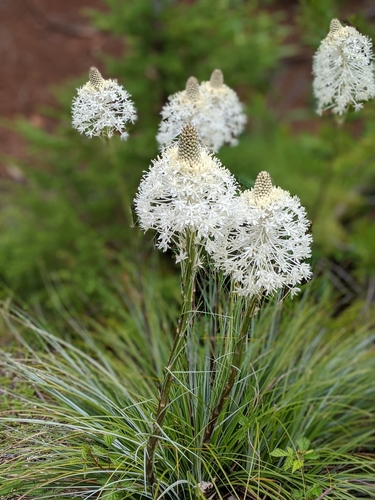
Puedes ver Common Beargrass, White-Flowered Rhododendron y Glacier Lily.
Ver guía →

British Columbia, CA
Puedes ver White Pasqueflower, Columbian Ground Squirrel y Oso Negro.
Ver guía →

British Columbia, CA
Puedes ver Arándano, Common Selfheal y Common Cowparsnip.
Ver guía →

British Columbia, CA
Puedes ver Western Rattlesnake Plantain y Shinyleaf Meadowsweet.
Ver guía →













.jpg&width=800)




