





Glaucous-winged Gull
Larus glaucescens
The Glaucous-winged Gull is a large bird with beautiful gray wings and a white body. They love to hang out near the ocean and are often seen flying high in the sky or searching for food on the beach.
Hábitat: Coastal areas
The Glaucous-winged Gull is a large, sturdy gull with pale, bluish-gray wings and a white head and body. It has pink legs and a sturdy yellow bill with a distinctive red spot on the lower mandible, differentiating it from darker-winged gulls.
Categoría
AvesRareza
Common
Peligro
2/5 · Bajo
Snaps
¡Sé la primera persona en hacer un snap!
A Glaucous-winged Gull once lived for an amazing 49 years in the wild!
These gulls have special glands to drink saltwater without getting sick!
They can drop hard shells from the sky onto rocks to crack open tasty snacks!
They often follow fishing boats, knowing easy fish snacks are about to appear!
Glaucous-winged Gulls can eat almost anything, helping them survive in diverse coastal environments and keep beaches tidy.
Glaucous-winged Gulls have special oily feathers that help them stay dry and warm, even in cold ocean water.
Glaucous-winged Gulls possess excellent eyesight, allowing them to spot food from high above or far away on the ground.
Glaucous-winged Gulls are skilled at snatching food from other birds, helping them get a meal without hunting.
The Glaucous-winged Gull is an opportunistic eater, feasting on almost anything it can find, from fish to human leftovers.
Haliaeetus leucocephalus
Adult gulls and chicks can be prey for eagles.
Mytilus californianus
Drops mussels from heights to break their shells for food.
Engraulis mordax
Catches small fish like anchovies in shallow waters.
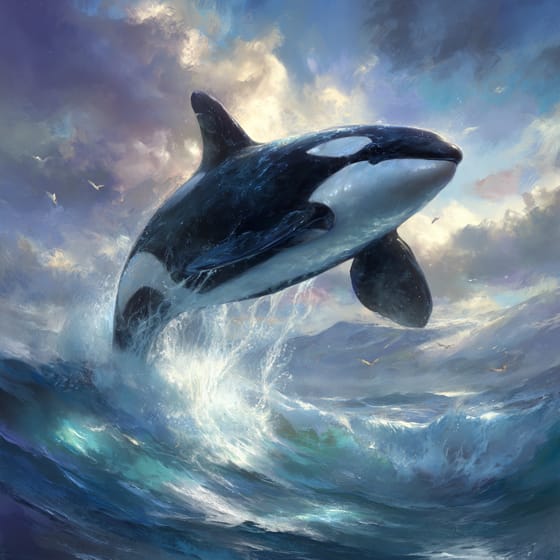
Orcinus orca
Rarely, orcas may prey on gulls on the water's surface.
Describe a los animales, principalmente aves, que poseen una cubierta de plumas.
Los animales sociales viven en grupos organizados, cooperando para obtener beneficios de supervivencia como la búsqueda de alimento, la defensa y la cría de descendencia.
Los carroñeros consumen materia orgánica muerta, ayudando a descomponer los cadáveres y otros desechos en el ecosistema.
Los organismos piscívoros son animales que subsisten principalmente de una dieta a base de peces.

Los hábitats costeros son entornos dinámicos situados a lo largo de la interfaz entre la tierra y el mar, influenciados por las mareas, las olas y el agua salada.

Este rasgo identifica a los organismos cuya dieta consiste total o principalmente en tejido animal.

Los animales diurnos están activos principalmente durante el día y suelen descansar o dormir por la noche.

Los animales migratorios emprenden movimientos estacionales de una región a otra, típicamente en respuesta a cambios en el clima o la disponibilidad de alimentos.
Todavía no hay alias listados.
Peligro
2/5 · Bajo
Watch from a distance and don't feed the gulls, as they can be very curious and might try to grab your food!
50-68 cm
120-150 cm
0.8-1.7 kg
15-25 años
55 km/h
The Glaucous-winged Gull is an opportunistic eater, feasting on almost anything it can find, from fish to human leftovers.
Coastal areas
Foraging
Acércate para separar los grupos y explorar dónde se ha fotografiado este objeto.
Los snaps recientes aparecerán aquí a medida que se añadan nuevas observaciones.
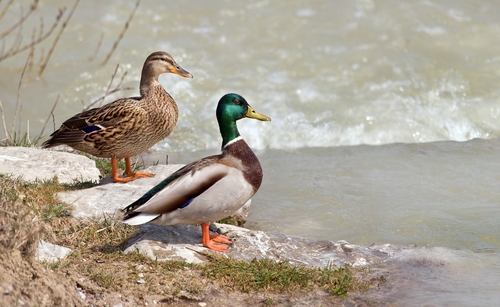
Washington, US
Puedes ver Pato, American Coot y Barnacla Canadiense.
Ver guía →

Washington, US
Puedes ver Barnacla Canadiense, Pato y American Coot.
Ver guía →
Washington, US
Puedes ver Pato, American Tuliptree y Garza Azulada.
Ver guía →
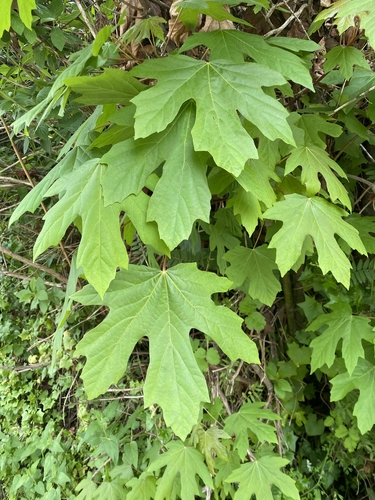
British Columbia, CA
Puedes ver Bigleaf Maple, Western Sword Fern y Vanilla Leaf.
Ver guía →
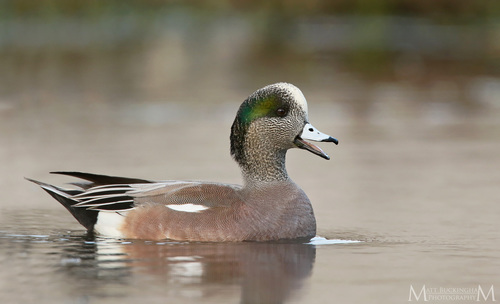
Washington, US
Puedes ver American Wigeon, Madrone Skin Miner y Ardilla Gris Oriental.
Ver guía →
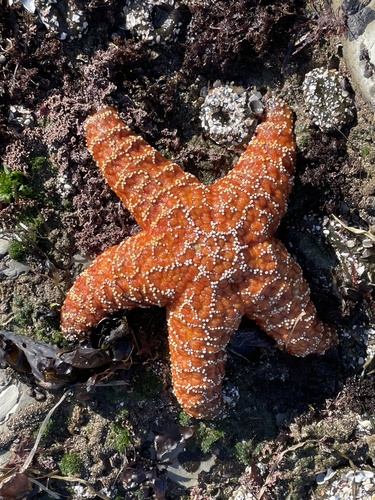
Washington, US
Puedes ver Ochre Sea Star, Purple Shore Crab y Strawberry Tree.
Ver guía →












.jpg&width=800)
