






Gracile Capuchins
Cebus
Gracile Capuchins are playful monkeys known for their cleverness. They have long tails that help them balance as they swing through trees in search of food and fun!
Hábitat: Forests
The Gracile Capuchins has a slender body, covered in brownish-grey fur, often with a contrasting lighter belly and a distinct black cap on its head. Many species feature white or light-colored fur on their face and shoulders, making them visually different from their Robust Capuchin relatives.
Categoría
MamíferosRareza
Common
Peligro
2/5 · Bajo
Snaps
¡Sé la primera persona en hacer un snap!
Capuchins communicate with many different barks, chirps, and whistles to talk to each other.
Sometimes, they share food with other monkeys in their group, showing great teamwork!
Their brains are surprisingly large for their body size, making them super smart!
They rub plants and even millipedes on their fur, maybe to repel bugs or for perfume!
Gracile Capuchins can use various tools like stones or sticks because of their high intelligence that helps them access hard-to-reach food.
Gracile Capuchins has a strong prehensile tail that helps them balance while climbing or even hang upside down to grab tasty treats.
Gracile Capuchins can skillfully manipulate objects with their nimble fingers because of their excellent dexterity that helps them find hidden insects.
Gracile Capuchins can figure out tricky puzzles, like opening tough seed pods, because of their sharp minds that helps them get food.
Gracile Capuchins are omnivores, enjoying a diverse menu of fruits, insects, small animals, and even leaves.
Harpia harpyja
A powerful aerial predator in the canopy.
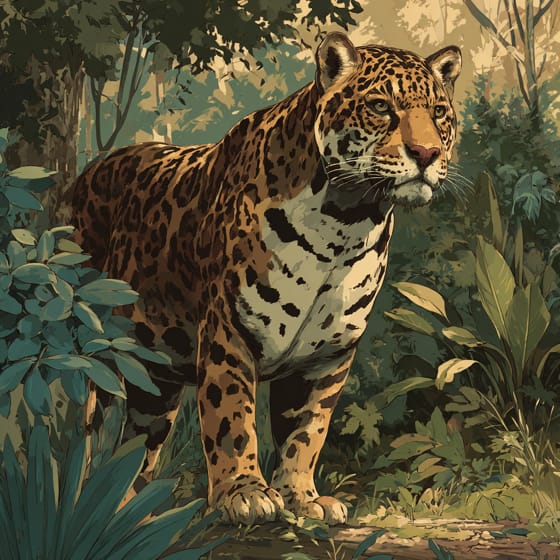
Panthera onca
An opportunistic jungle hunter preying on arboreal animals.
Boa constrictor
Large snakes can ambush young or smaller capuchins.
Ficus insipida
Consumes its fruits, aiding in seed dispersal.
Peludo describe a los animales que poseen una cubierta densa de pelo o pelaje suave.
Los animales sociales viven en grupos organizados, cooperando para obtener beneficios de supervivencia como la búsqueda de alimento, la defensa y la cría de descendencia.
Este rasgo identifica organismos cuya dieta incluye tanto materia vegetal como animal.
Los animales arborícolas viven principalmente en los árboles, utilizándolos como refugio, alimento y protección contra los depredadores.

Esta característica describe a los organismos que manipulan objetos externos para lograr un objetivo específico.

Los hábitats boscosos son entornos terrestres dominados por una densa cubierta arbórea, que sustentan una gran diversidad de vida animal y vegetal.

Los animales diurnos están activos principalmente durante el día y suelen descansar o dormir por la noche.
Todavía no hay alias listados.
Peligro
2/5 · Bajo
Always watch from a distance and never try to touch wild animals.
30-55 cm
1.5-4 kg
15-25 años
25 km/h
Gracile Capuchins are omnivores, enjoying a diverse menu of fruits, insects, small animals, and even leaves.
Forests
Foraging
1-2
Acércate para separar los grupos y explorar dónde se ha fotografiado este objeto.
Los snaps recientes aparecerán aquí a medida que se añadan nuevas observaciones.








_2.jpg&width=800)


