






Grape Hyacinths
muscari
Grape Hyacinths are beautiful little flowers that look like tiny blue bells! They often bloom in spring and can create a colorful carpet in gardens.
Hábitat: Gardens, parks, and grassy areas in temperate regions.
The Grape Hyacinths has vibrant, tiny, urn-shaped flowers tightly packed into a dense cluster, resembling a miniature bunch of grapes. These deep blue to purple blossoms often feature a small white rim at their opening, making them visually distinct in early spring.
Categoría
PlantasRareza
Common
Peligro
0/5 · Sin peligro conocido
Snaps
¡Sé la primera persona en hacer un snap!
Despite their name, Grape Hyacinths are not true hyacinths, nor are they related to actual grapes!
Some Grape Hyacinths can change color as they mature, starting dark blue and fading to a lighter shade!
These tough little plants can often push right through a late snowfall to bloom beautifully in early spring!
They're called "Grape" Hyacinths because their flower clusters look exactly like miniature bunches of grapes!
Grape Hyacinths can bloom very early in spring, taking advantage of sunlight before larger plants leaf out to photosynthesize.
Grape Hyacinths have bulbs underground that store energy, helping them survive winter and sprout quickly.
Grape Hyacinths form dense clumps by producing offset bulbs, which helps them spread and outcompete other plants.
Apis mellifera
Provides early nectar
Bombus lucorum
Collects pollen and nectar
Microtus arvalis
Bulbs are a food source
Colorido describe a organismos u objetos que exhiben una amplia variedad de colores brillantes y distintivos.
Este rasgo caracteriza a los organismos cuya dieta consiste total o principalmente en material vegetal.
Los hábitats boscosos son entornos terrestres dominados por una densa cubierta arbórea, que sustentan una gran diversidad de vida animal y vegetal.
Los animales diurnos están activos principalmente durante el día y suelen descansar o dormir por la noche.

Describe organismos que transfieren polen, permitiendo la fertilización y reproducción de las plantas.
Peligro
0/5 · Sin peligro conocido
These flowers are safe to touch, but do not eat them.
15-30 cm
5-10 cm
0.5-1 cm
Early spring
No
Leve
Perenne
Insectos
Acércate para separar los grupos y explorar dónde se ha fotografiado este objeto.
Los snaps recientes aparecerán aquí a medida que se añadan nuevas observaciones.
New York, US
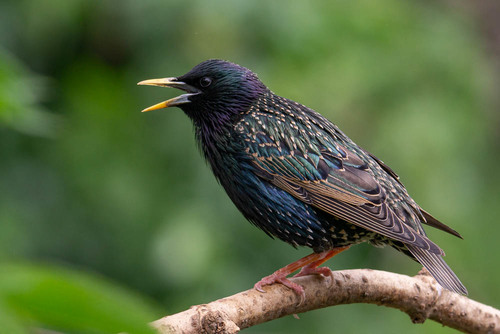
Puedes ver Estornino Europeo, Henbit Deadnettle y Red Deadnettle.
Ver guía →

Massachusetts, US
Puedes ver Grey Cross Spider, Common Milkweed y Rosas.
Ver guía →

District of Columbia, US
Puedes ver Ardilla Gris Oriental, Gorrión Común y Petirrojo Americano.
Ver guía →


















