






Gray Catbird
Dumetella carolinensis
The Gray Catbird is a clever bird known for its beautiful gray feathers and sweet singing. It loves to hide in bushes and can mimic the sounds of other birds!
Hábitat: Urban areas
The Gray Catbird is a medium-sized songbird with a sleek, dark slaty-gray body. It has a distinctive black cap on its head and a bright rusty-brown patch hidden under its tail, making it easy to identify.
Categoría
AvesRareza
Common
Peligro
1/5 · Muy bajo
Snaps
¡Sé la primera persona en hacer un snap!
A male catbird can learn over 100 different songs!
The rusty patch under their tail is often hidden until they flick it!
Their nest is usually built in thorny bushes to protect chicks!
They can sing for up to 10 minutes without stopping!
Gray Catbird can mimic the songs of many other birds and even other sounds because of its complex vocal cords.
Gray Catbird has agile flight and a slender body that helps them expertly navigate thick bushes and dense vegetation.
Gray Catbird can release a foul-smelling secretion when threatened, which helps them deter predators.
Gray Catbirds are omnivores, meaning they enjoy a tasty mix of insects, spiders, and a variety of sweet berries.
Accipiter cooperii
Young and adult catbirds are hunted by these agile raptors.
Panthera catus
Domestic cats are a significant predator, especially near human homes.
.jpg&width=800)
Molothrus ater
Cowbirds lay their eggs in catbird nests, tricking them into raising their young.
.jpg&width=800)
Rubus allegheniensis
Catbirds consume ripe berries, helping to spread their seeds.
Populus tremuloides
They build nests and find cover in the dense foliage of such trees and shrubs.
Describe a los animales, principalmente aves, que poseen una cubierta de plumas.
Los animales sociales viven en grupos organizados, cooperando para obtener beneficios de supervivencia como la búsqueda de alimento, la defensa y la cría de descendencia.
Los animales cantores producen vocalizaciones complejas, a menudo con el propósito de atraer parejas, defender el territorio o comunicarse dentro de su especie.
Este rasgo identifica a los organismos cuya dieta consiste principalmente en insectos y otros pequeños invertebrados.

Los animales diurnos están activos principalmente durante el día y suelen descansar o dormir por la noche.

Esta característica de hábitat indica especies que pueden coexistir con los humanos en entornos urbanos y suburbanos, utilizando estructuras artificiales y espacios verdes.
Todavía no hay alias listados.
Peligro
1/5 · Muy bajo
Enjoy watching birds from a distance and don't try to touch them.
21-24 cm
22-30 cm
0.023-0.056 kg
2-10 años
40 km/h
Gray Catbirds are omnivores, meaning they enjoy a tasty mix of insects, spiders, and a variety of sweet berries.
Urban areas
Foraging
Acércate para separar los grupos y explorar dónde se ha fotografiado este objeto.
Los snaps recientes aparecerán aquí a medida que se añadan nuevas observaciones.
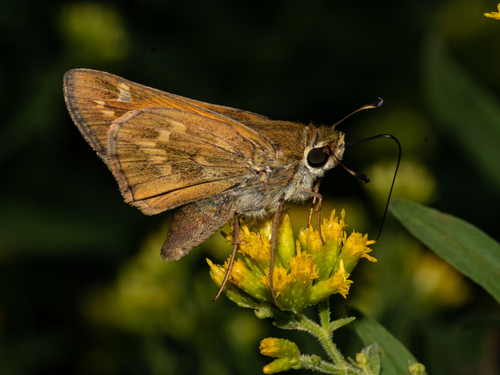
New Jersey, US
Puedes ver Huron Skipper, Garza Azulada y Petirrojo Americano.
Ver guía →
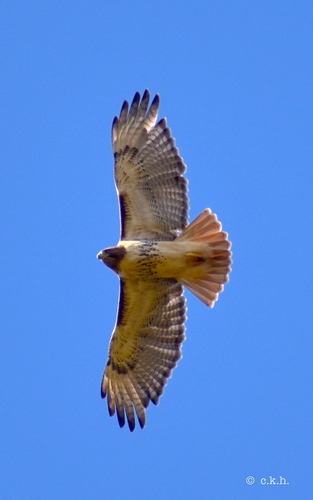
New Hampshire, US
Puedes ver Busardo Colirrojo, Cardenal Norteño y Chipping Sparrow.
Ver guía →

Virginia, US
Puedes ver Ciervo De Cola Blanca, Gorrión Común y Ardilla Gris Oriental.
Ver guía →
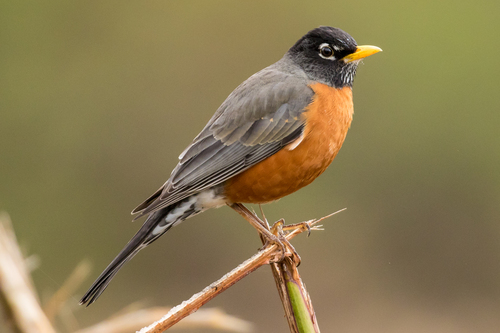
Virginia, US
Puedes ver Petirrojo Americano, Cardenal Norteño y Gorrión Común.
Ver guía →
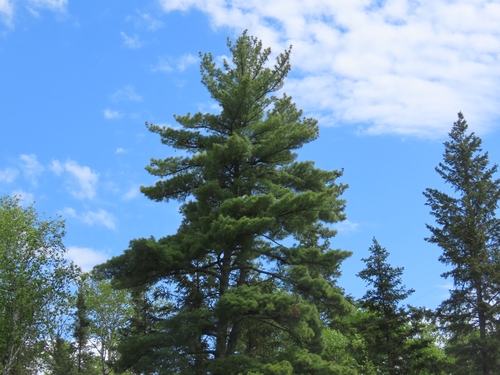
Connecticut, US
Puedes ver Pino Blanco Oriental, Tsuga Del Canadá y Laurel De Montaña.
Ver guía →
.jpg)
District of Columbia, US
Puedes ver Pato, Ardilla Gris Oriental y Estornino Europeo.
Ver guía →




.jpg&width=800)




.jpg&width=800)


