


Spotted Sandpiper
Actitis macularius
The Spotted Sandpiper is a small bird that loves to wade in shallow waters. It has a unique spotted belly and a cheerful, bobbing walk that makes it fun to watch!
Hábitat: Wetlands
The Spotted Sandpiper is a small shorebird with a slender body. In summer, it has distinct dark spots covering its white underside and a pale stripe above its eye. Its bill is dull yellow with a dark tip, which makes it stand out.
Categoría
AvesRareza
Common
Peligro
1/5 · Muy bajo
Snaps
¡Sé la primera persona en hacer un snap!
Female sandpipers often leave the male to raise the chicks alone!
Males have special patches on their chest to keep eggs warm.
Their flight looks like a bouncing ball, unique among shorebirds.
They migrate solo, without flying in big flocks like other birds.
Spotted Sandpiper can constantly bob its tail up and down because this helps them search for prey and navigate uneven surfaces.
Spotted Sandpiper females can lay multiple clutches with different mates, helping them produce more offspring.
Spotted Sandpipers have stiff, bowed wings and beat them rapidly below body level, giving them an erratic, unique flight pattern.
They mostly eat tiny insects and worms found near water.
Anax junius
Catches dragonflies and their aquatic larvae near water.
Vulpes vulpes
Preys on eggs, chicks, and sometimes adult sandpipers.
Falco peregrinus
A swift aerial predator that hunts small birds.
Dytiscus marginalis
Aquatic beetles are a common food source for the sandpiper.
Describe a los animales, principalmente aves, que poseen una cubierta de plumas.
Marcado con manchas o parches de un color diferente.
Los animales sociales viven en grupos organizados, cooperando para obtener beneficios de supervivencia como la búsqueda de alimento, la defensa y la cría de descendencia.
Este rasgo identifica a los organismos cuya dieta consiste principalmente en insectos y otros pequeños invertebrados.

Los organismos piscívoros son animales que subsisten principalmente de una dieta a base de peces.

Este rasgo de hábitat identifica especies que se encuentran en humedales, que son áreas de tierra saturadas de agua, ya sea permanente o estacionalmente, e incluyen marismas, pantanos y ciénagas.

Los animales diurnos están activos principalmente durante el día y suelen descansar o dormir por la noche.

Los animales migratorios emprenden movimientos estacionales de una región a otra, típicamente en respuesta a cambios en el clima o la disponibilidad de alimentos.
Todavía no hay alias listados.
Peligro
1/5 · Muy bajo
Always watch birds from a distance and don't try to touch them.
18-20 cm
37-40 cm
0.021-0.05 kg
3-12 años
55 km/h
They mostly eat tiny insects and worms found near water.
Wetlands
Foraging
Acércate para separar los grupos y explorar dónde se ha fotografiado este objeto.
Los snaps recientes aparecerán aquí a medida que se añadan nuevas observaciones.
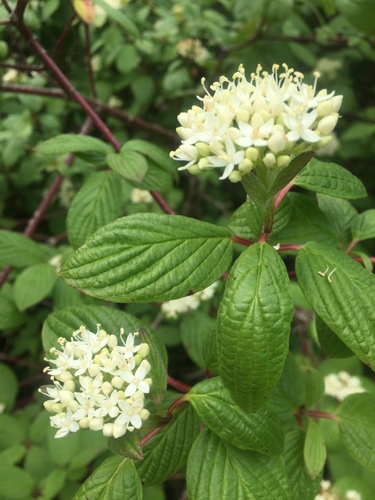
British Columbia, CA
Puedes ver Red Osier Dogwood, Pino Contorta y Common Juniper.
Ver guía →
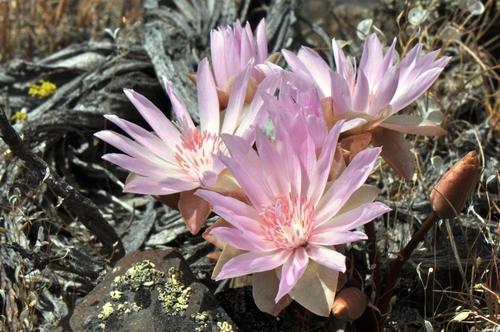
British Columbia, CA
Puedes ver Bitterroot, Arrowleaf Balsamroot y Western Stoneseed.
Ver guía →
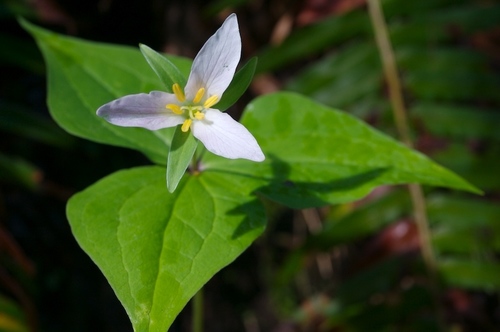
British Columbia, CA
Puedes ver Pacific Trillium, Vanilla Leaf y Japanese Knotweed.
Ver guía →

British Columbia, CA
Puedes ver Abeto De Douglas, Silverleaf Phacelia y Rocky Mountain Maple.
Ver guía →
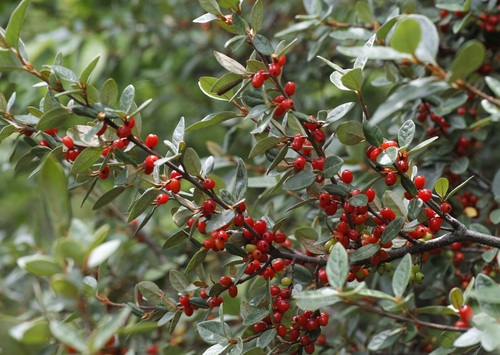
British Columbia, CA
Puedes ver Canadian Buffalo-Berry, Oregon Boxwood y Pacific Trillium.
Ver guía →
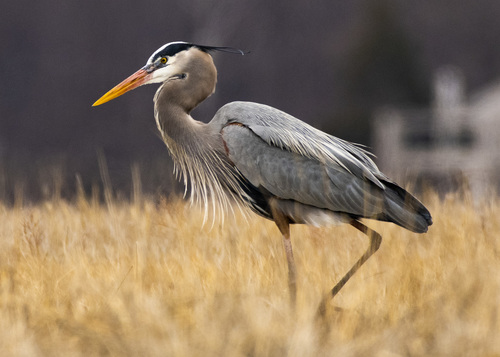
California, US
Puedes ver Garza Azulada, Black-Crowned Night Heron y Garcita Verde.
Ver guía →