






Gray Fox
Urocyon cinereoargenteus
The Gray Fox is a clever little animal with a beautiful gray coat. They are great climbers and can often be seen resting in trees. These foxes are shy and prefer to stay hidden during the day.
Hábitat: Forests
The Gray Fox has grizzled gray fur on its back, head, and sides, with reddish-brown patches on its neck, legs, and flanks. Its belly is white, and a distinct black stripe runs down its bushy tail, ending in a black tip. Unlike other foxes, it has short, stocky legs.
Categoría
MamíferosRareza
Common
Peligro
2/5 · Bajo
Snaps
¡Sé la primera persona en hacer un snap!
Gray Fox pups, called kits, stay with their parents for many months learning to hunt.
Gray Foxes are one of the most ancient canids, evolving millions of years ago!
Their diet is incredibly varied, eating everything from mice to ripe berries and insects!
They are the only canid that can semi-retract its claws, like a cat!
Gray Fox can climb trees with ease, using strong claws and flexible wrists to escape predators or find food.
Gray Fox has semi-retractable claws, rare for a canid, that help them grip tree trunks like a cat!
Gray Fox can thrive on a very diverse diet, switching from meat to fruits and nuts with the seasons.
A versatile omnivore, eating small animals, birds, insects, and lots of fruits and plants.
.JPG&width=800)
Sylvilagus floridanus
A common prey item for Gray Foxes.
Peromyscus maniculatus
Small mammals form a key part of their diet.
Quercus alba
Eats acorns and uses trees for shelter.
Bubo virginianus
Predates on young kits or smaller adults.
Peludo describe a los animales que poseen una cubierta densa de pelo o pelaje suave.
Los animales solitarios viven solos durante la mayor parte de su vida y solo interactúan con otros para aparearse o cuidar de sus crías.
Los animales arborícolas viven principalmente en los árboles, utilizándolos como refugio, alimento y protección contra los depredadores.
Los hábitats boscosos son entornos terrestres dominados por una densa cubierta arbórea, que sustentan una gran diversidad de vida animal y vegetal.

Este rasgo identifica a los organismos cuya dieta consiste total o principalmente en tejido animal.

Los animales nocturnos están principalmente activos durante la noche, y suelen descansar o dormir durante el día.
Peligro
2/5 · Bajo
If you see a fox, it's best to watch from a distance and not approach it.
76-112 cm
3.6-7 kg
6-10 años
48 km/h
A versatile omnivore, eating small animals, birds, insects, and lots of fruits and plants.
Forests
Foraging
2-7
Acércate para separar los grupos y explorar dónde se ha fotografiado este objeto.
Los snaps recientes aparecerán aquí a medida que se añadan nuevas observaciones.
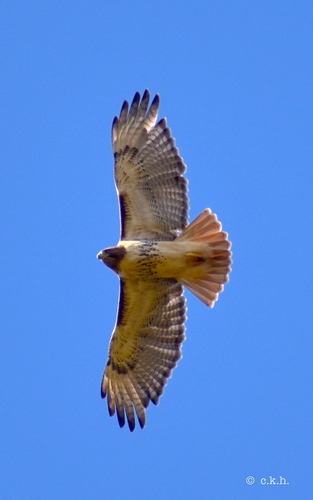
New Hampshire, US
Puedes ver Busardo Colirrojo, Cardenal Norteño y Chipping Sparrow.
Ver guía →
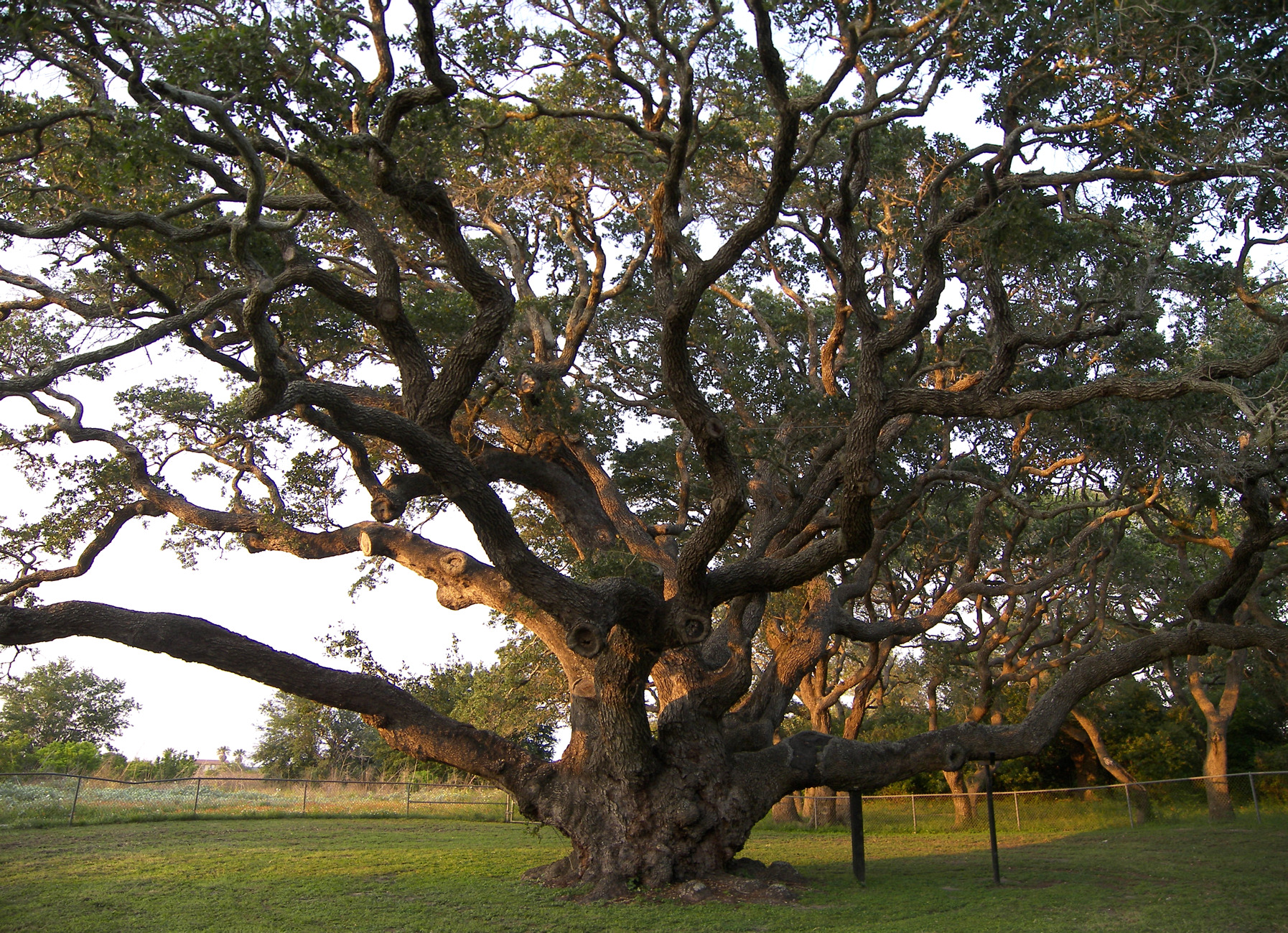
Texas, US
Puedes ver Pelícano Pardo, Ciervo De Cola Blanca y Laughing Gull.
Ver guía →

California, US
Puedes ver Zorro Rojo, Lobo Gris y Pato.
Ver guía →
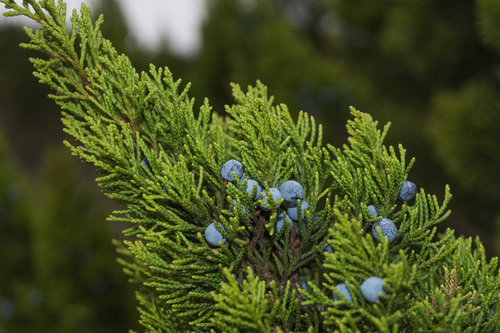
Texas, US
Puedes ver Ashe Juniper, Texas Bluebonnet y Texas Live Oak.
Ver guía →

North Carolina, US
Puedes ver American Turkey Oak, Longleaf Pine y Spiny Spikemoss.
Ver guía →

California, US
Puedes ver Warrior's Plume, Diogenes' Lantern y Checker Lily.
Ver guía →








_022.jpg&width=800)





.JPG&width=800)
