






Gray Ratsnake
Pantherophis spiloides
The Gray Ratsnake is a long, slender snake that can be gray or black with beautiful patterns. They are great climbers and often found in trees, making them fun to spot in nature!
Hábitat: Forests
The Gray Ratsnake is a long, slender snake typically gray, olive, or brown with darker blotches or stripes down its back. Its chin and throat are usually white, contrasting with its darker body. Some adults in the northern parts of its range can appear almost entirely black.
Categoría
ReptilesRareza
Common
Peligro
1/5 · Muy bajo
Snaps
¡Sé la primera persona en hacer un snap!
Some young Gray Ratsnakes look strikingly different, appearing blotched before turning mostly gray!
These clever snakes can hunt prey in total darkness using their excellent sense of smell!
They are expert "egg thieves," often raiding bird nests high in trees for a tasty meal!
When scared, they might form a strange kinked posture, looking just like a stick!
Gray Ratsnake can climb tall trees with ease because of its strong, keeled scales that provide excellent grip on rough bark.
Gray Ratsnake can squeeze its prey tightly because of its powerful muscular body that helps them overpower and swallow meals whole.
Gray Ratsnake can mimic a rattlesnake's sound by rapidly vibrating its tail when threatened, which helps them scare away predators.
Gray Ratsnake has subtle patterns and coloration that helps them blend into trees and rocky areas, making it hard to spot.
These powerful constrictors eat warm-blooded creatures and even eggs!
Diferencias por edad: Young snakes often eat small lizards and frogs, while adults primarily prefer rodents and birds.

Peromyscus leucopus
A primary food source, common in their forest habitat.
Sciurus carolinensis
Preys on both adults and young squirrels in trees.
Buteo jamaicensis
Younger snakes are sometimes prey for large birds of prey.
Corvus brachyrhynchos
Crows sometimes attack and eat juvenile snakes.
Marcado con manchas o parches de un color diferente.
Los animales arborícolas viven principalmente en los árboles, utilizándolos como refugio, alimento y protección contra los depredadores.
El camuflaje describe a los organismos que poseen colores o patrones que les permiten mezclarse con su entorno.
Los hábitats boscosos son entornos terrestres dominados por una densa cubierta arbórea, que sustentan una gran diversidad de vida animal y vegetal.

Este rasgo identifica a los organismos cuya dieta consiste total o principalmente en tejido animal.

Los animales diurnos están activos principalmente durante el día y suelen descansar o dormir por la noche.
Peligro
1/5 · Muy bajo
If you see a snake, it's best to watch from a distance and not touch it.
100-200 cm
0.5-2.5 kg
10-15 años
8 km/h
These powerful constrictors eat warm-blooded creatures and even eggs!
Forests
Ambush
6-30
Acércate para separar los grupos y explorar dónde se ha fotografiado este objeto.
Los snaps recientes aparecerán aquí a medida que se añadan nuevas observaciones.
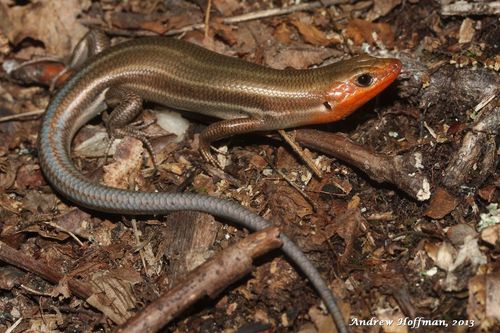
Virginia, US
Puedes ver Common Five-Lined Skink y Tortuga De Caja Oriental.
Ver guía →

Pennsylvania, US
Puedes ver Ciervo De Cola Blanca y Mile-A-Minute Weed.
Ver guía →
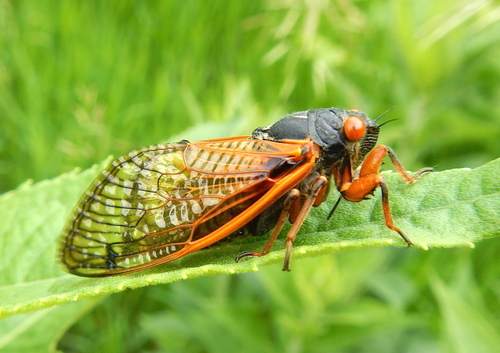
Ohio, US
Puedes ver Cassin's 17-Year Cicada, Pharaoh Cicada y Leafcup.
Ver guía →

Virginia, US
Puedes ver Autumn Olive, Japanese Barberry y Virginia Bluebells.
Ver guía →
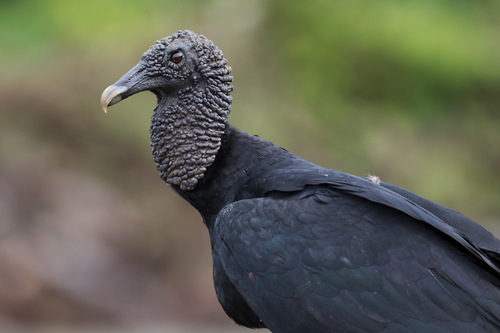
Florida, US
Puedes ver Zopilote Negro, Caimán Americano y Iguana Verde.
Ver guía →
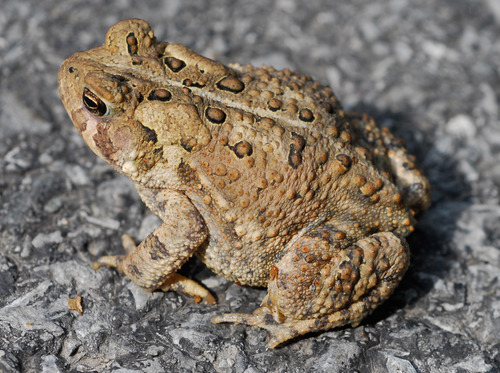
Virginia, US
Puedes ver Sapo Americano, Tortuga De Caja Oriental y Petirrojo Americano.
Ver guía →




.jpg&width=800)










