great blanketflower
Gaillardia aristata
The great blanketflower is a bright and cheerful flower that loves to bloom in sunny places. Its colorful petals can be red, orange, or yellow, making gardens and fields look beautiful!
Hábitat: Grasslands
The great blanketflower has large, daisy-like blooms with vibrant petals often in shades of red, orange, and yellow, frequently bicolored with darker centers. Its petals have distinctive jagged, toothed tips, encircling a prominent reddish-brown central cone.
Categoría
PlantasRareza
Common
Peligro
1/5 · Muy bajo
Snaps
¡Sé la primera persona en hacer un snap!
Great blanketflower is a vibrant wildflower native to prairies and open fields across North America!
Its scientific name, Gaillardia, honors a kind French magistrate who loved botany!
Native Americans traditionally used parts of this plant for various medicinal purposes!
This colorful bloom belongs to the huge Aster family, just like sunflowers and daisies!
Great blanketflower can thrive in dry conditions due to its efficient water usage and ability to grow in sandy soils.
This flower has bright, contrasting colors and abundant nectar, making it an irresistible target for many hungry insects.
Gaillardia aristata can bloom continuously for many months, providing a reliable food source for pollinators throughout summer.
Apis mellifera
Collects nectar and pollen, aiding in reproduction.
Danaus plexippus
Feeds on nectar, helping to spread pollen between flowers.
Spinus tristis
Consumes the mature seeds, sometimes aiding in dispersal.

Bombus impatiens
Visits flowers for nectar, contributing to the plant's pollination.
Las plantas con flores son cualquier planta que produce flores como parte de su ciclo reproductivo.
Las plantas ornamentales se cultivan principalmente por su atractivo estético, embelleciendo paisajes y jardines con su atractivo follaje, flores o forma.
Las plantas de floración de verano producen sus flores durante la temporada estival, a menudo aportando un color vibrante cuando muchas otras plantas ya han terminado de florecer.
Las flores fragantes emiten un aroma agradable, a menudo para atraer polinizadores o como defensa.

Las plantas tolerantes a la sequía pueden sobrevivir y florecer en condiciones de escasa disponibilidad de agua.

Colorido describe a organismos u objetos que exhiben una amplia variedad de colores brillantes y distintivos.

Describe plantas que son particularmente atractivas y beneficiosas para una amplia variedad de organismos polinizadores.

Los hábitats de pastizales son biomas terrestres dominados por pastos y plantas herbáceas, que sustentan a una variedad de animales de pastoreo.
Todavía no hay alias listados.
Peligro
1/5 · Muy bajo
Always look but don't touch flowers unless you know they are safe.
30-75 cm
30-60 cm
5-10 cm
Late spring to fall
No
Ninguna
Perenne
Insectos
Acércate para separar los grupos y explorar dónde se ha fotografiado este objeto.
Los snaps recientes aparecerán aquí a medida que se añadan nuevas observaciones.
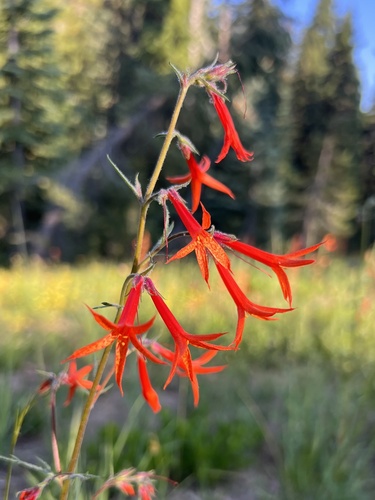
British Columbia, CA
Puedes ver Scarlet Gilia, Great Blanketflower y Solomon's Plume.
Ver guía →

British Columbia, CA
Puedes ver Thimbleberry, Canadian Buffalo-Berry y Oregon Grape.
Ver guía →

British Columbia, CA
Puedes ver Brown Elfin, Bearberry y Black Cottonwood.
Ver guía →
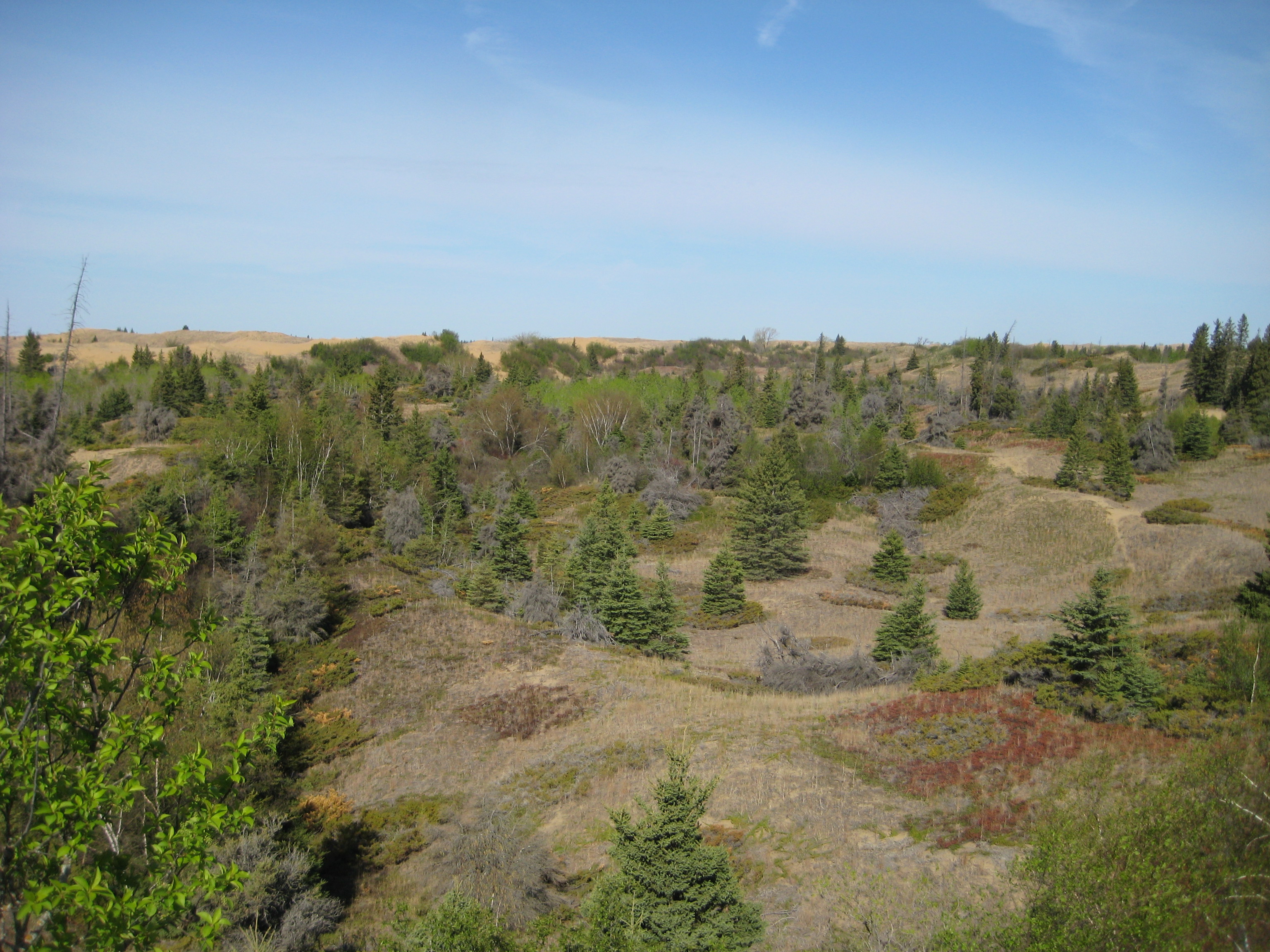
Manitoba, CA
Puedes ver Prairie Skink, Smooth Greensnake y Mariposa Almirante.
Ver guía →




.png&width=800)