






Greater Scaup
Aythya marila
The Greater Scaup is a beautiful duck that loves to swim in lakes and ponds. They have a striking green head and a round body, making them easy to spot when they are floating on the water.
Hábitat: Wetlands
The Greater Scaup is a medium-sized diving duck. Males have a glossy black head that often shines purple or green in light, a grey back, and bright white sides. Females are brown with a distinctive white patch at the base of their bill.
Categoría
AvesRareza
Common
Peligro
1/5 · Muy bajo
Snaps
¡Sé la primera persona en hacer un snap!
A Greater Scaup can hold its breath for over a minute while diving deep to find tasty snacks!
Greater Scaup often gather in enormous flocks called 'rafts' on the water, sometimes numbering thousands!
Their striking golden-yellow eyes glow brightly, helping them see clearly both above and below the water.
They are sometimes called 'bluebills' because of the subtle bluish tint on their wide, shovel-like bills.
Greater Scaup can dive to surprising depths because of their dense bodies and strong leg muscles that help them chase underwater prey.
Greater Scaup has excellent underwater vision that helps them spot hidden mussels and other food in murky waters.
Greater Scaup can fly thousands of kilometers due to their powerful wings, helping them find warm wintering grounds.
These ducks love to feast on shellfish and aquatic insects found underwater!
Diferencias por edad: Young scaup eat more aquatic insects; adults consume more mollusks and crustaceans.
Haliaeetus leucocephalus
Adults can be preyed upon by this large raptor.
Bubo virginianus
Ducklings and sometimes adults are vulnerable to this nocturnal hunter.
Vulpes vulpes
Nests and eggs are often targeted by opportunistic predators.

Mytilus edulis
A primary food source, often consumed in large quantities.
Describe a los animales, principalmente aves, que poseen una cubierta de plumas.
Los animales sociales viven en grupos organizados, cooperando para obtener beneficios de supervivencia como la búsqueda de alimento, la defensa y la cría de descendencia.
Este rasgo identifica organismos cuya dieta incluye tanto materia vegetal como animal.
Colorido describe a organismos u objetos que exhiben una amplia variedad de colores brillantes y distintivos.

Los filtradores obtienen nutrientes filtrando partículas de alimentos suspendidos y pequeños organismos del agua.

Este rasgo de hábitat identifica especies que se encuentran en humedales, que son áreas de tierra saturadas de agua, ya sea permanente o estacionalmente, e incluyen marismas, pantanos y ciénagas.

Los hábitats de agua dulce incluyen entornos acuáticos no salinos como ríos, lagos, estanques y humedales, vitales para numerosas especies.

Los animales diurnos están activos principalmente durante el día y suelen descansar o dormir por la noche.

Describe una especie cuya presencia y papel tienen un efecto desproporcionadamente grande en su entorno.

Los hábitats acuáticos abarcan entornos donde los organismos viven principalmente en el agua, incluidos océanos, ríos, lagos y humedales.

Los animales migratorios emprenden movimientos estacionales de una región a otra, típicamente en respuesta a cambios en el clima o la disponibilidad de alimentos.
Peligro
1/5 · Muy bajo
Always watch ducks from a distance and do not feed them bread.
42-51 cm
71-84 cm
0.7-1.3 kg
10-15 años
80 km/h
These ducks love to feast on shellfish and aquatic insects found underwater!
Wetlands
Foraging
Acércate para separar los grupos y explorar dónde se ha fotografiado este objeto.
Los snaps recientes aparecerán aquí a medida que se añadan nuevas observaciones.
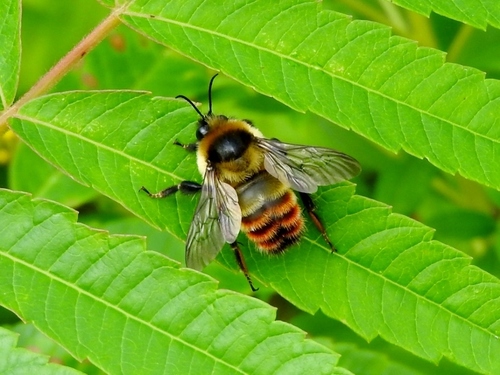
Wisconsin, US
Puedes ver Red-Belted Bumble Bee, Red-Breasted Merganser y Pato.
Ver guía →

Illinois, US
Puedes ver Garza Azulada, American Herring Gull y Petirrojo Americano.
Ver guía →

British Columbia, CA
Puedes ver Greater Yellowlegs, Glaucous-Winged Gull y Haya Europea.
Ver guía →




_head.JPG&width=800)










