






Greater Yellowlegs
Tringa melanoleuca
The Greater Yellowlegs is a tall, wading bird with long legs and a long bill. They are known for their beautiful yellow legs and can often be seen near water, searching for food.
Hábitat: Wetlands
The Greater Yellowlegs is a medium-sized shorebird with very long, bright yellow legs and a slender, slightly upturned dark bill. Its upperparts are streaky gray-brown, contrasting with its clean white belly. This makes its striking legs stand out from other shorebirds.
Categoría
AvesRareza
Common
Peligro
1/5 · Muy bajo
Snaps
¡Sé la primera persona en hacer un snap!
Baby yellowlegs can leave the nest and find food just one day old!
Sometimes they wade so deep their whole head goes underwater!
Their flexible bill tip helps them find worms underground!
They migrate further than almost any other shorebird!
Greater Yellowlegs can detect hidden prey by probing mud, thanks to sensitive nerve endings in their bill tip.
Greater Yellowlegs has super long yellow legs that help them wade into deeper water to catch food.
Greater Yellowlegs has powerful wings that help them fly thousands of miles during incredible migrations.
They mostly eat small fish, aquatic insects, and tiny crustaceans caught in shallow waters.
Falco peregrinus
A swift predator that hunts shorebirds during migration.
Mustela vison
May prey on eggs and chicks in nesting areas.
Larus argentatus
Opportunistic predator of eggs and chicks.
Describe a los animales, principalmente aves, que poseen una cubierta de plumas.
Este rasgo identifica a los organismos cuya dieta consiste principalmente en insectos y otros pequeños invertebrados.
Este rasgo de hábitat identifica especies que se encuentran en humedales, que son áreas de tierra saturadas de agua, ya sea permanente o estacionalmente, e incluyen marismas, pantanos y ciénagas.
Este rasgo identifica a los organismos cuya dieta consiste total o principalmente en tejido animal.

Los animales diurnos están activos principalmente durante el día y suelen descansar o dormir por la noche.

Este rasgo identifica a los organismos que exhiben una rapidez excepcional en sus movimientos para cazar, escapar o desplazarse.

Los animales migratorios emprenden movimientos estacionales de una región a otra, típicamente en respuesta a cambios en el clima o la disponibilidad de alimentos.
Todavía no hay alias listados.
Peligro
1/5 · Muy bajo
Always watch birds from a distance and be quiet so you don't scare them away.
29-40 cm
66-76 cm
0.12-0.22 kg
5-15 años
60 km/h
They mostly eat small fish, aquatic insects, and tiny crustaceans caught in shallow waters.
Wetlands
Foraging
Acércate para separar los grupos y explorar dónde se ha fotografiado este objeto.
Los snaps recientes aparecerán aquí a medida que se añadan nuevas observaciones.
.jpg)
California, US
Puedes ver Long-Billed Curlew, Snowy Plover y Sanderling.
Ver guía →

New York, US
Puedes ver Spotted Lanternfly, Ardilla Gris Oriental y Red Deadnettle.
Ver guía →

British Columbia, CA
Puedes ver Greater Yellowlegs, Glaucous-Winged Gull y Haya Europea.
Ver guía →
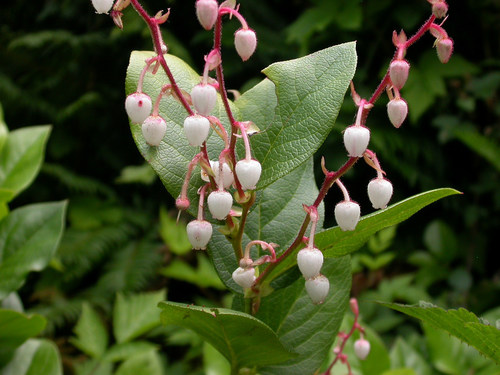
British Columbia, CA
Puedes ver Salal, Small Ground-Cone y Evergreen Huckleberry.
Ver guía →












