






Tricolored Heron
Egretta tricolor
The Tricolored Heron is a beautiful bird with blue-gray feathers and a long neck. It loves to wade in shallow waters, looking for fish and frogs to eat. Watching it hunt is a special treat!
Hábitat: Wetlands
The Tricolored Heron has a striking slate-blue back, white belly, and a distinctive rusty-brown and white striped neck. Its long, yellowish legs and a slender, pointed bill with a dark tip complete its elegant appearance, making it easily distinguishable from other herons.
Categoría
AvesRareza
Common
Peligro
1/5 · Muy bajo
Snaps
¡Sé la primera persona en hacer un snap!
Baby Tricolored Herons are born with fluffy down feathers for warmth.
Their extra-long toes help them balance on squishy mud and wobbly branches.
These birds often nest in large colonies, sometimes with other heron species!
They are sometimes called "Louisiana Heron" due to their common presence there!
The Tricolored Heron can spread its wings to create shade, which helps them see fish better in sunny waters.
The Tricolored Heron sometimes shuffles its feet in the water to stir up hiding prey, making them easier to catch.
The Tricolored Heron has incredible patience, standing perfectly still to ambush unsuspecting fish for a surprise attack.
A skilled hunter, this heron mainly eats small fish, but also enjoys insects and amphibians!
Gambusia affinis
A common prey item in its freshwater habitats.
Palaemonetes pugio
A staple food, especially in brackish waters.
Alligator mississippiensis
Alligators prey on heron eggs, chicks, or adults.

Rhizophora mangle
Provides safe nesting and roosting sites for herons.
Describe a los animales, principalmente aves, que poseen una cubierta de plumas.
Los animales solitarios viven solos durante la mayor parte de su vida y solo interactúan con otros para aparearse o cuidar de sus crías.
Colorido describe a organismos u objetos que exhiben una amplia variedad de colores brillantes y distintivos.
Los organismos piscívoros son animales que subsisten principalmente de una dieta a base de peces.

Un depredador de emboscada caza esperando pacientemente y ocultándose, para luego lanzar un ataque repentino cuando una presa desprevenida se pone a su alcance.

Este rasgo de hábitat identifica especies que se encuentran en humedales, que son áreas de tierra saturadas de agua, ya sea permanente o estacionalmente, e incluyen marismas, pantanos y ciénagas.

Este rasgo identifica a los organismos cuya dieta consiste total o principalmente en tejido animal.

Los animales diurnos están activos principalmente durante el día y suelen descansar o dormir por la noche.

Los hábitats acuáticos abarcan entornos donde los organismos viven principalmente en el agua, incluidos océanos, ríos, lagos y humedales.

El estado de amenazado indica que es probable que una especie pase a estar en peligro de extinción en el futuro cercano si no se toman medidas efectivas de conservación.
Peligro
1/5 · Muy bajo
Always watch birds from a distance and don't try to touch them.
56-76 cm
95-100 cm
0.3-0.4 kg
10-17 años
40 km/h
A skilled hunter, this heron mainly eats small fish, but also enjoys insects and amphibians!
Wetlands
Foraging
Acércate para separar los grupos y explorar dónde se ha fotografiado este objeto.
Los snaps recientes aparecerán aquí a medida que se añadan nuevas observaciones.
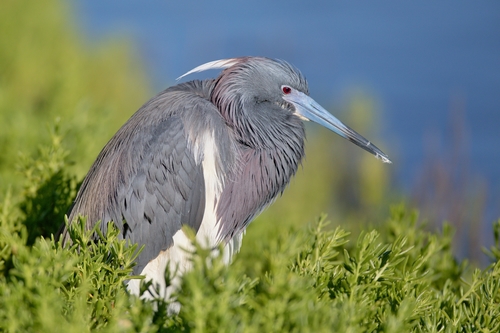
Florida, US
Puedes ver Tricolored Heron, Roseate Spoonbill y Wood Stork.
Ver guía →
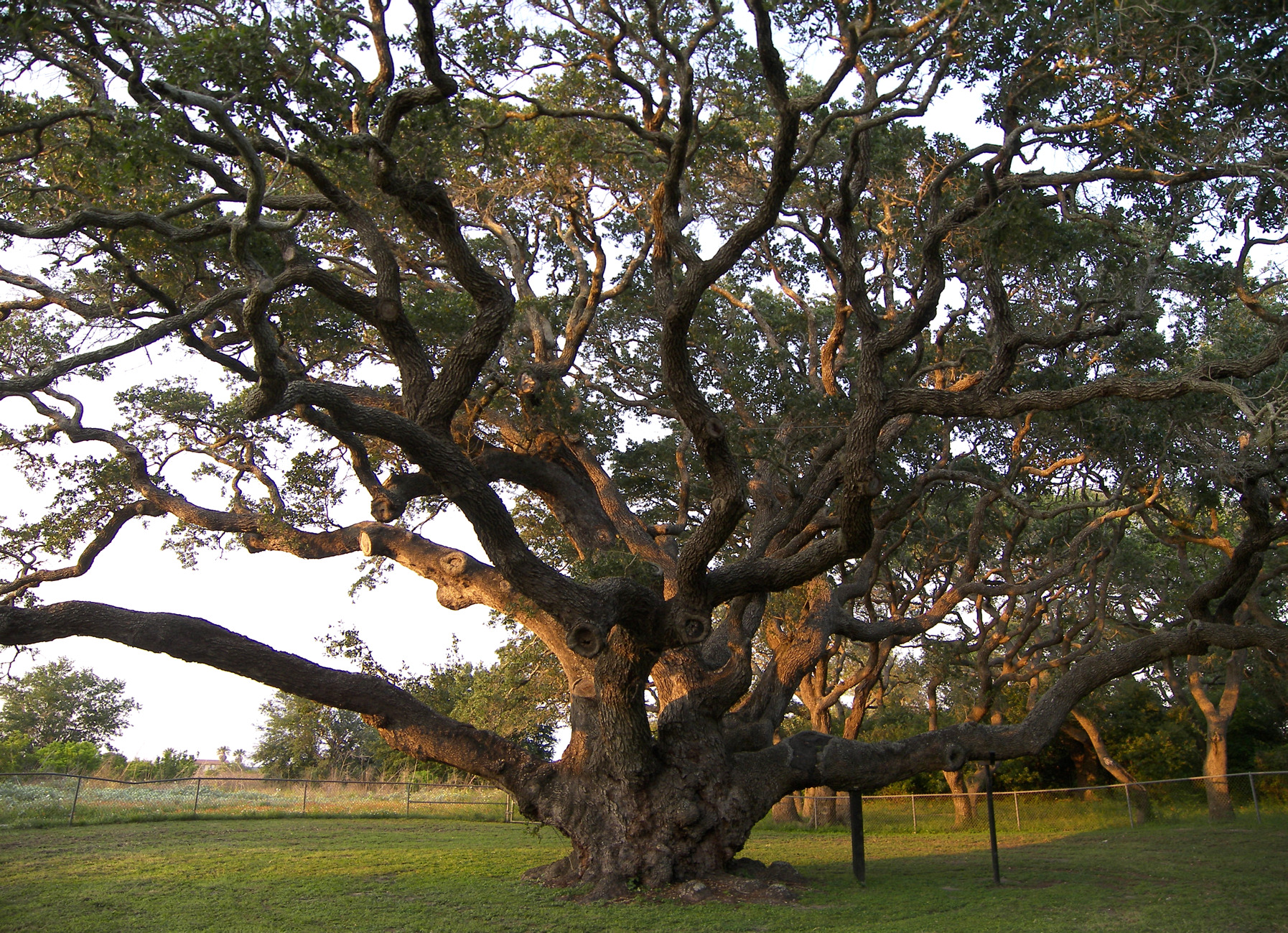
Texas, US
Puedes ver Pelícano Pardo, Ciervo De Cola Blanca y Laughing Gull.
Ver guía →
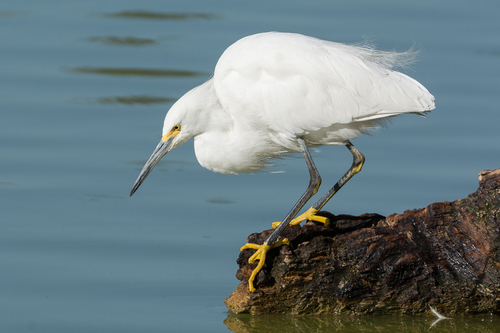
Florida, US
Puedes ver Snowy Egret, Pelícano Pardo y Boat-Tailed Grackle.
Ver guía →
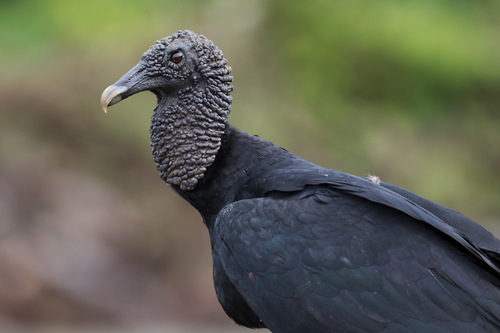
Florida, US
Puedes ver Zopilote Negro, Caimán Americano y Iguana Verde.
Ver guía →
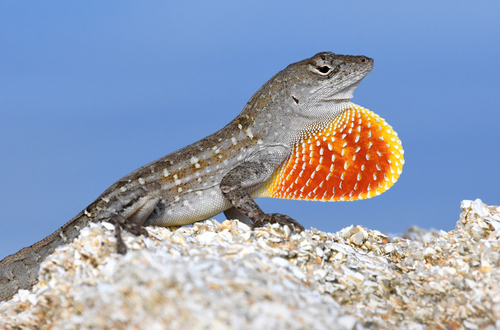
Florida, US
Puedes ver Anolis Castaño, Southern Live Oak y Resurrection Fern.
Ver guía →
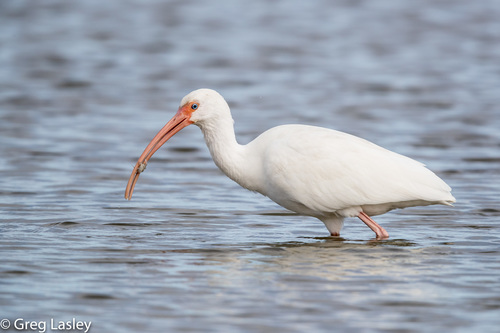
Florida, US
Puedes ver White Ibis, White Beggarticks y Anolis Castaño.
Ver guía →







_(5005682834).jpg&width=800)


.jpg&width=800)


