



Greenbriers
smilax
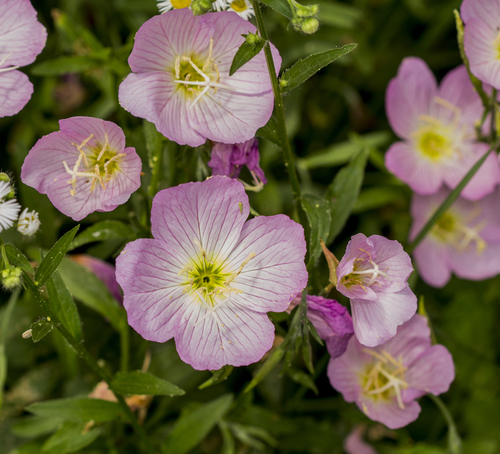
Greenbriers are climbing plants with thorny vines that love to grow in forests and fields! They have shiny green leaves and can produce small flowers that turn into berries.
Hábitat: Forests, fields, and along edges of roads.
The Greenbriers is a woody vine with distinctive sharp thorns along its tough stems, and often heart-shaped or oval, glossy green leaves. Its small, greenish-yellow flowers develop into clusters of dark blue to black berries.
Categoría
PlantasRareza
Common
Peligro
1/5 · Muy bajo
Snaps
¡Sé la primera persona en hacer un snap!
Even its climbing tendrils can be eaten when cooked, tasting surprisingly like asparagus!
Its tough, thorny vines can form dense, impenetrable thickets, creating mini-fortresses!
Native Americans brewed medicinal teas from Greenbrier roots to help with various ailments.
Some Greenbrier roots can be ground into a flour-like substance for cooking!
Greenbriers have sharp, hooked thorns that help them protect their leaves and shoots from hungry animals.
Greenbriers can use specialized tendrils to cling to other plants, helping them climb high to reach essential sunlight.
Greenbriers produce juicy berries that attract many birds, helping the plant spread its seeds far and wide.
Odocoileus virginianus
Feeds on its leaves and tender shoots.
Turdus migratorius
Feasts on its dark blue berries.
Apis mellifera
Visits its small flowers for nectar.

Thryothorus ludovicianus
Nests safely within its thorny thickets.
Las plantas trepadoras o enredaderas se caracterizan por un hábito de crecimiento que les permite ascender enrollándose o usando zarcillos o raíces adhesivas.
Colorido describe a organismos u objetos que exhiben una amplia variedad de colores brillantes y distintivos.
Este rasgo caracteriza a los organismos cuya dieta consiste total o principalmente en material vegetal.
Los hábitats boscosos son entornos terrestres dominados por una densa cubierta arbórea, que sustentan una gran diversidad de vida animal y vegetal.

Los animales diurnos están activos principalmente durante el día y suelen descansar o dormir por la noche.
Peligro
1/5 · Muy bajo
Be careful of the thorns when exploring!
100-1000 cm
0.2-0.5 cm
Late_spring_to_early_summer
Sí
Leve
Perenne
Insectos
Forests, fields, and along edges of roads.
Acércate para separar los grupos y explorar dónde se ha fotografiado este objeto.
Los snaps recientes aparecerán aquí a medida que se añadan nuevas observaciones.