ground-ivy
Glechoma hederacea
Ground-ivy is a lovely green plant that grows close to the ground. It has pretty, round leaves and small purple flowers that bloom in spring. You can often find it in gardens and parks!
Hábitat: Urban areas
The ground-ivy is a low-growing, creeping perennial with distinctive kidney to heart-shaped, scalloped leaves. Its small, trumpet-shaped flowers are typically purplish-blue and grow in clusters where the leaves meet the square stems, forming dense mats.
Categoría
PlantasRareza
Common
Peligro
1/5 · Muy bajo
Snaps
¡Sé la primera persona en hacer un snap!
If you crush its leaves, you might smell something minty or even a bit like catnip!
Its old name, 'alehoof', hints at its historical use to flavor beer before hops were common!
Some people call it 'creeping Charlie' because of how fast it creeps along the ground!
This tough plant can quickly recover from being stepped on or mowed, bouncing back stronger each time!
Ground-ivy has creeping stems that can root at their nodes, helping it quickly spread and colonize new ground.
This plant can thrive in deep shade, an adaptation that allows it to grow where many other plants struggle to survive.
Ground-ivy's crushed leaves release a strong, minty aroma, a chemical defense that can deter hungry herbivores.
Its low-growing, mat-forming habit helps ground-ivy withstand trampling and frequent mowing, allowing it to persist in lawns.
Apis mellifera
Its nectar-rich flowers attract these busy insects.
Bombus terrestris
Large bees visit its flowers, collecting nectar and pollen.

Helix aspersa
Snails often graze on its leaves, especially young foliage.
Oryctolagus cuniculus
Rabbits browse on its leaves when other food sources are scarce.
Las plantas con flores son cualquier planta que produce flores como parte de su ciclo reproductivo.
Las plantas de floración primaveral producen sus flores durante la temporada de primavera, lo que a menudo significa el final del invierno y el comienzo de un nuevo crecimiento.
Las plantas tolerantes a la sombra están adaptadas para crecer y prosperar en áreas con bajos niveles de luz, requiriendo menos luz solar directa.
Las flores fragantes emiten un aroma agradable, a menudo para atraer polinizadores o como defensa.

Las plantas medicinales poseen compuestos químicos que pueden utilizarse con fines terapéuticos para tratar enfermedades o mantener la salud.

Las plantas comestibles son aquellas partes de una planta que se consideran seguras para el consumo humano.

Las plantas de crecimiento rápido exhiben tasas de crecimiento aceleradas, aumentando rápidamente de tamaño y biomasa en un corto período de tiempo.

Esta característica de hábitat indica especies que pueden coexistir con los humanos en entornos urbanos y suburbanos, utilizando estructuras artificiales y espacios verdes.
Peligro
1/5 · Muy bajo
Always check with an adult before touching or picking any plants.
5-20 cm
1-2 cm
Spring to early Summer
Sí
Leve
Perenne
Insectos
Urban areas
Acércate para separar los grupos y explorar dónde se ha fotografiado este objeto.
Los snaps recientes aparecerán aquí a medida que se añadan nuevas observaciones.
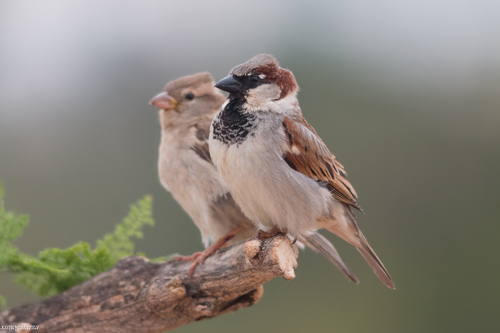
Massachusetts, US
Puedes ver Gorrión Común, Garlic Mustard y Pato.
Ver guía →
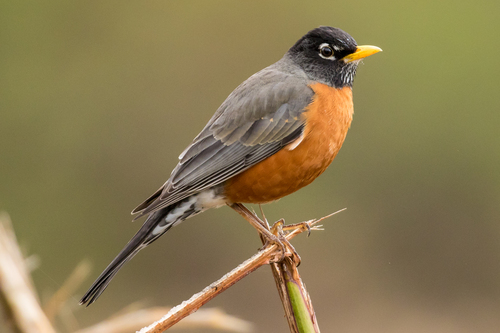
Virginia, US
Puedes ver Petirrojo Americano, Cardenal Norteño y Gorrión Común.
Ver guía →
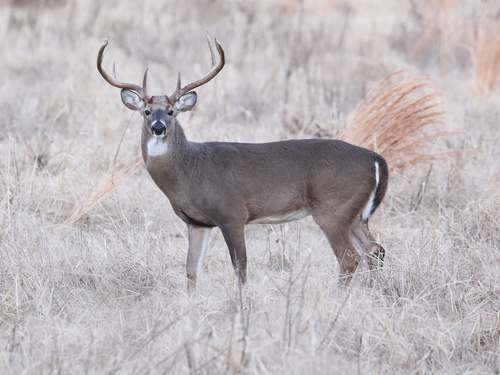
Pennsylvania, US
Puedes ver Ciervo De Cola Blanca, Barnacla Canadiense y Garza Azulada.
Ver guía →

South Moravian Region, CZ
Puedes ver Pinzón Vulgar, Nine-Spotted Moth y Greater Stitchwort.
Ver guía →

Massachusetts, US
Puedes ver Petirrojo Americano y Ardilla Gris Oriental.
Ver guía →
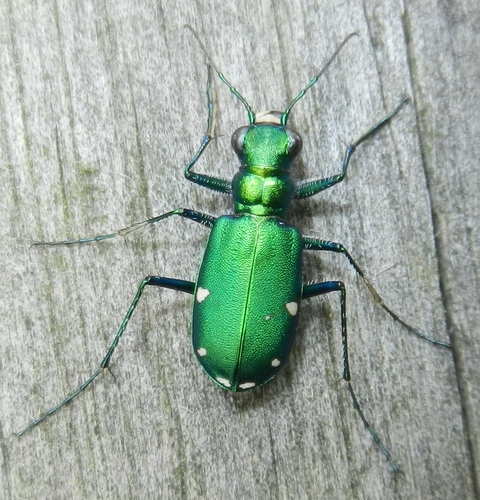
Indiana, US
Puedes ver Six-Spotted Tiger Beetle, Garlic Mustard y Buitre.
Ver guía →




_(7119963547).jpg&width=800)