






heartleaf arnica
Arnica cordifolia
Heartleaf arnica is a beautiful flower with heart-shaped leaves. It grows in the wild and has bright yellow petals that attract butterflies and bees. This flower loves to grow in shady places, making it special in the forest.
Hábitat: Forests
The heartleaf arnica is a striking plant with bright yellow, daisy-like flowers that can grow up to 7 cm wide. Its most distinctive feature is its soft, fuzzy, heart-shaped leaves that grow mostly near the base. The stems are usually reddish or purplish.
Categoría
PlantasRareza
Common
Peligro
2/5 · Bajo
Snaps
¡Sé la primera persona en hacer un snap!
Ancient people used arnica externally for bruises and sprains!
Heartleaf arnica prefers cool mountain air and shady forest floors.
Its bright yellow flowers belong to the same plant family as sunflowers.
Some people believe seeing arnica flowers means spring is truly here.
Heartleaf arnica can spread using underground stems called rhizomes, helping it form new plants and survive harsh winters.
Heartleaf arnica's flowers can slowly turn to face the sun throughout the day, helping them capture more energy.
Heartleaf arnica produces a special compound called helenalin that can deter animals from eating it, protecting its leaves and flowers.
Bombus bifarius
Visits flowers to collect nectar and pollen.
.jpg&width=800)
Marmota caligata
May occasionally graze on the leaves and flowers.
Odocoileus hemionus
Browses on the foliage, though typically not a primary food source.
Las plantas caducifolias pierden periódicamente todas sus hojas, por lo general durante el otoño o las estaciones secas.
Las plantas con flores son cualquier planta que produce flores como parte de su ciclo reproductivo.
Las plantas de floración primaveral producen sus flores durante la temporada de primavera, lo que a menudo significa el final del invierno y el comienzo de un nuevo crecimiento.
Las plantas tolerantes a la sombra están adaptadas para crecer y prosperar en áreas con bajos niveles de luz, requiriendo menos luz solar directa.

Las flores fragantes emiten un aroma agradable, a menudo para atraer polinizadores o como defensa.

Las plantas medicinales poseen compuestos químicos que pueden utilizarse con fines terapéuticos para tratar enfermedades o mantener la salud.

Describe plantas que son particularmente atractivas y beneficiosas para una amplia variedad de organismos polinizadores.

Los hábitats boscosos son entornos terrestres dominados por una densa cubierta arbórea, que sustentan una gran diversidad de vida animal y vegetal.
Todavía no hay alias listados.
Peligro
2/5 · Bajo
Do not touch or eat wild flowers without asking an adult first.
30-60 cm
20-40 cm
4-7 cm
Late spring to mid-summer
No
Leve
Perenne
Insectos
Acércate para separar los grupos y explorar dónde se ha fotografiado este objeto.
Los snaps recientes aparecerán aquí a medida que se añadan nuevas observaciones.
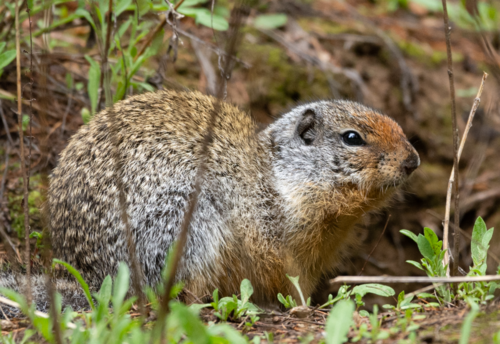
British Columbia, CA
Puedes ver Columbian Ground Squirrel y Spotted Knapweed.
Ver guía →
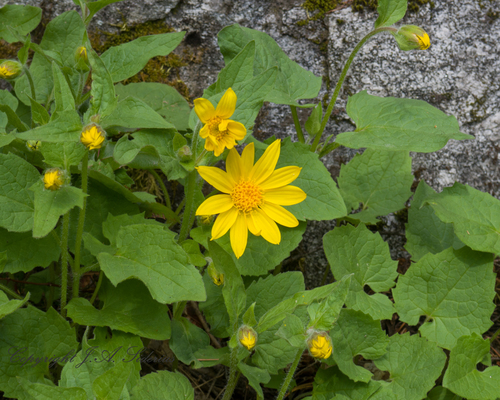
British Columbia, CA
Puedes ver Heartleaf Arnica, Abeto De Douglas y Oregon Grape.
Ver guía →
.jpg)
British Columbia, CA
Puedes ver Oregon Grape, Heartleaf Arnica y Solomon's Plume.
Ver guía →

British Columbia, CA
Puedes ver Subalpine Larch, Arrowleaf Senecio y Moss Campion.
Ver guía →

British Columbia, CA
Puedes ver Sitka Valerian, Leafy Aster y Pearly Everlasting.
Ver guía →
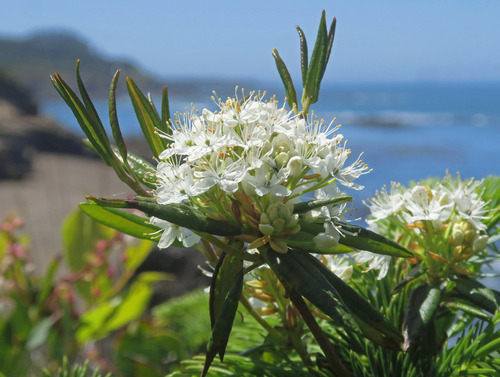
British Columbia, CA
Puedes ver Western Labrador Tea, Grouse Whortleberry y Pino Contorta.
Ver guía →














