





Helarctos malayanus
Helarctos malayanus
¡El Oso Malayo es el oso más pequeño del mundo! Tienen pelaje corto y liso y una mancha especial amarilla o blanca en el pecho que parece un sol.
Hábitat: Bosques
El Helarctos malayanus es el oso más pequeño, distinguido por su pelaje negro liso y corto. Tiene una llamativa mancha en el pecho de color naranja-amarillo, a menudo en forma de media luna, y un hocico pálido. Sus largas garras en forma de hoz también son muy notables.
Categoría
MamíferosRareza
Rare
Peligro
3/5 · Moderado
Snaps
¡Sé la primera persona en hacer un snap!
Los osos malayo disfrutan de siestas en los árboles, a veces creando acogedores nidos de ramas.
¡El nombre científico de los osos malayo, Helarctos, en realidad significa 'oso del sol' en griego!
¡Su parche pectoral único es como un símbolo personal de 'sol'!
¡Se paran sobre dos patas para inspeccionar los alrededores y olfatear comida lejana!
Helarctos malayanus tiene poderosas garras curvas que le ayudan a trepar árboles rápidamente y a abrir troncos podridos en busca de insectos.
Helarctos malayanus tiene piel suelta que le permite retorcerse y girar para escapar si un depredador lo agarra.
Helarctos malayanus puede olfatear alimentos ocultos desde lejos gracias a su asombroso sentido del olfato.
Los osos malayo son omnívoros, comen de todo, desde insectos y miel hasta frutas y pequeños animales.
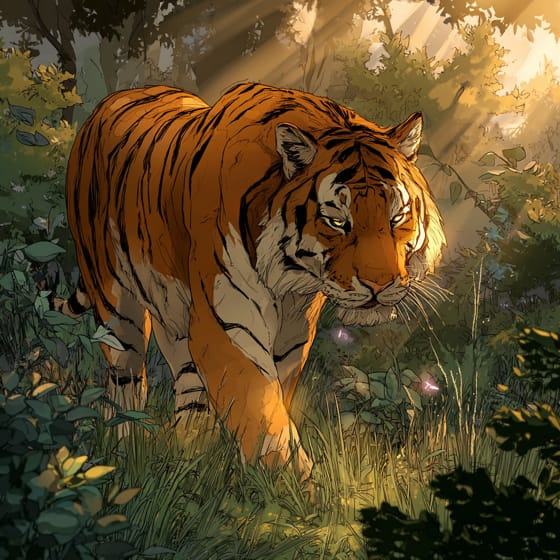
Panthera tigris
Los osos malayo adultos son a veces cazados por tigres.
Apis dorsata
Consume miel y larvas de nidos grandes.
Ficus altissima
Se alimenta de higos maduros, dispersando sus semillas.
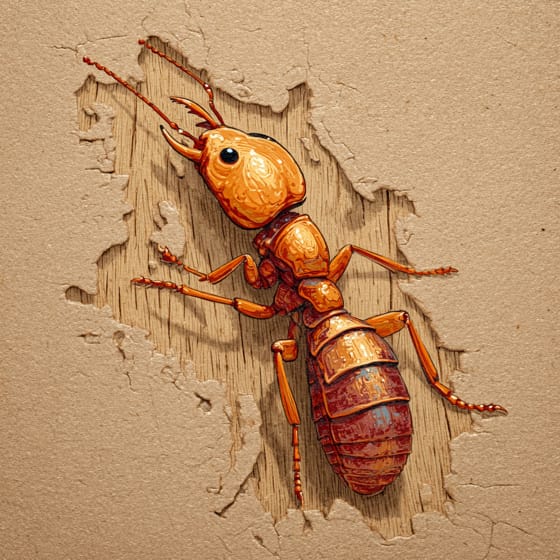
Macrotermes gilvus
Cava en los nidos para consumir larvas y adultos de termitas.
Peludo describe a los animales que poseen una cubierta densa de pelo o pelaje suave.
Marcado con manchas o parches de un color diferente.
Los animales solitarios viven solos durante la mayor parte de su vida y solo interactúan con otros para aparearse o cuidar de sus crías.
Este rasgo identifica organismos cuya dieta incluye tanto materia vegetal como animal.

Los animales arborícolas viven principalmente en los árboles, utilizándolos como refugio, alimento y protección contra los depredadores.

Los hábitats boscosos son entornos terrestres dominados por una densa cubierta arbórea, que sustentan una gran diversidad de vida animal y vegetal.

Los animales nocturnos están principalmente activos durante la noche, y suelen descansar o dormir durante el día.

El estado de peligro de extinción indica que una especie corre un riesgo muy alto de extinguirse en estado silvestre en un futuro próximo.
Peligro
3/5 · Moderado
Los Osos Malayo son animales salvajes y deben ser admirados desde la distancia.
La forma más fácil de identificar a Helarctos malayanus es usar la aplicación de identificación de naturaleza Snappit.
100-150 cm
25-65 kg
20-28 años
48 km/h
Los osos malayo son omnívoros, comen de todo, desde insectos y miel hasta frutas y pequeños animales.
Bosques
Forrajeo
Acércate para separar los grupos y explorar dónde se ha fotografiado este objeto.
Los snaps recientes aparecerán aquí a medida que se añadan nuevas observaciones.
Llévate el descubrimiento
Haz una foto con Snappit, identifica la especie y guarda el hallazgo en tu colección.




.jpg&width=800)



.JPG&width=800)



.jpg&width=800)
