
.jpg&width=800)





Hermit Thrush
Catharus guttatus
The Hermit Thrush is a small, brown bird known for its sweet song. It loves to hop around on the forest floor, searching for tasty insects and berries to eat.
Hábitat: Forests
The Hermit Thrush is a medium-sized bird with a warm brown back and a noticeably reddish-brown tail, which sets it apart from other thrushes. It has a white chest heavily marked with distinct dark spots, and a pale eye-ring.
Categoría
AvesRareza
Common
Peligro
1/5 · Muy bajo
Snaps
¡Sé la primera persona en hacer un snap!
Hermit Thrushes are tough birds, often staying in cold areas later than other thrushes!
Its amazing song is actually two notes sung at once, creating a magical harmony!
They are one of the first migratory birds to return north each spring!
You can often see it flicking its tail up and down while searching for tasty treats!
Hermit Thrush has excellent hearing and vision that helps them spot hidden insects and berries on the forest floor.
Hermit Thrush can fly thousands of kilometers each year because of its strong wing muscles, helping it find warmer climates.
They mostly eat insects and berries they find on the forest floor.
Diferencias por edad: Adults eat more berries and fruits in fall and winter, while insects are dominant in spring and summer.
Accipiter cooperii
Common predator in their breeding and wintering grounds.
Sciurus carolinensis
May raid nests for eggs and young nestlings in forest habitats.
Vaccinium corymbosum
Feeds on berries, especially during migration and winter.
Dendroctonus ponderosae
Forages for ground insects and larvae, helping control pest populations.
Describe a los animales, principalmente aves, que poseen una cubierta de plumas.
Marcado con manchas o parches de un color diferente.
Los animales solitarios viven solos durante la mayor parte de su vida y solo interactúan con otros para aparearse o cuidar de sus crías.
Los animales cantores producen vocalizaciones complejas, a menudo con el propósito de atraer parejas, defender el territorio o comunicarse dentro de su especie.

El camuflaje describe a los organismos que poseen colores o patrones que les permiten mezclarse con su entorno.

Este rasgo identifica a los organismos cuya dieta consiste principalmente en insectos y otros pequeños invertebrados.

Los hábitats boscosos son entornos terrestres dominados por una densa cubierta arbórea, que sustentan una gran diversidad de vida animal y vegetal.

Los animales diurnos están activos principalmente durante el día y suelen descansar o dormir por la noche.
Todavía no hay alias listados.
Peligro
1/5 · Muy bajo
Enjoy watching birds from a distance and don't try to catch them.
15-18 cm
25-30 cm
0.018-0.035 kg
2-10 años
35 km/h
They mostly eat insects and berries they find on the forest floor.
Forests
Foraging
Acércate para separar los grupos y explorar dónde se ha fotografiado este objeto.
Los snaps recientes aparecerán aquí a medida que se añadan nuevas observaciones.
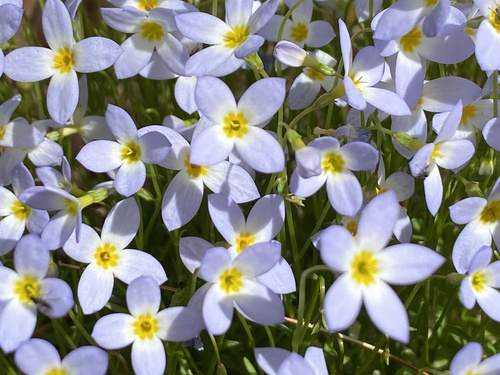
Virginia, US
Puedes ver Azure Bluet, Allegheny Blackberry y Small-Flowered Buttercup.
Ver guía →

Maryland, US
Puedes ver Large Whorled Pogonia, Pink Lady's Slipper y Castaño Americano.
Ver guía →
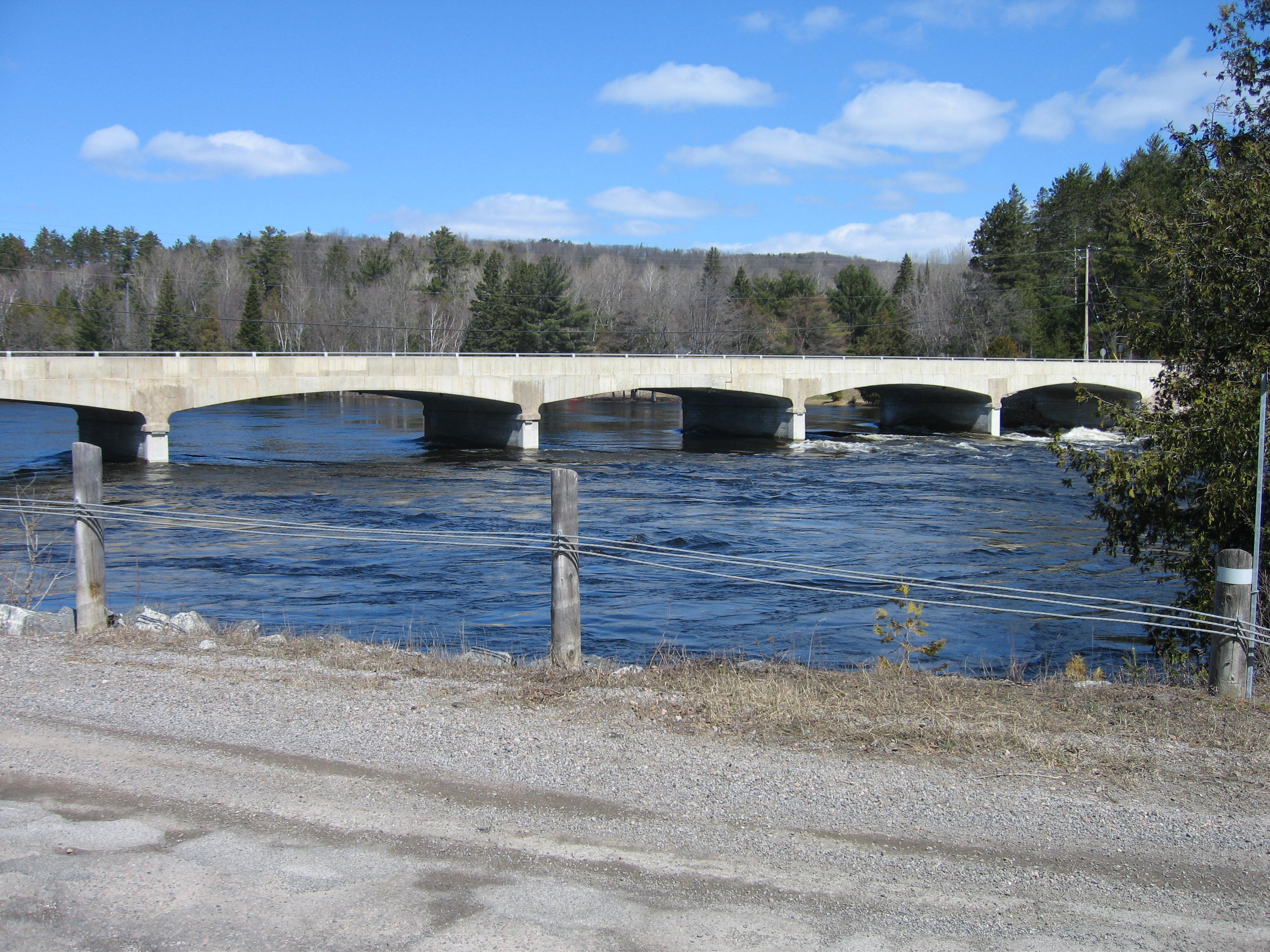
Ontario, CA
Puedes ver Flor De Cardenal, Canadian Bunchberry y Twinflower.
Ver guía →
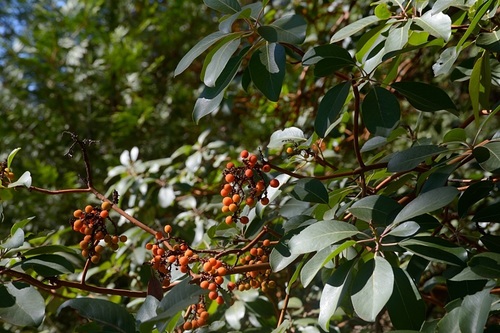
British Columbia, CA
Puedes ver Pacific Madrone y Western Rattlesnake Plantain.
Ver guía →













.jpg&width=800)
