






Hickory Tussock Moth
Lophocampa caryae
The Hickory Tussock Moth is a fuzzy, white moth with black spots. Its caterpillars are bright and hairy, making them look like little creatures from a fairy tale!
Hábitat: Forests
The Hickory Tussock Moth is typically pale yellow to tan with irregular brownish bands and spots on its wings. Its striking caterpillar is fuzzy white with dense black tufts on its back and long black hairs at both ends, making it visually distinct from other caterpillars.
Categoría
InsectosRareza
Common
Peligro
2/5 · Bajo
Snaps
¡Sé la primera persona en hacer un snap!
Adult Hickory Tussock Moths do not eat, living only to lay eggs.
Caterpillars have six pairs of orange tufts on their backs, like tiny fuzzy pom-poms!
Caterpillars use spiky hairs to decorate cocoons for extra defense!
If disturbed, the caterpillar curls into a ball, exposing stinging hairs to scare foes.
Hickory Tussock Moth caterpillars can cause skin rashes because their fuzzy hairs contain irritating toxins that help deter predators.
The larva's contrasting white, black, and orange tufts act as a warning signal that helps predators recognize its toxicity.
Hickory Tussock Moth larvae spin a strong silk cocoon because they produce durable silk threads that protect them during pupation.
Young Hickory Tussock Moths munch on tree leaves to grow big and strong, but adults don't eat!
Diferencias por edad: Caterpillars are voracious herbivores, while adult moths do not feed, relying on stored energy.

Carya ovata
Caterpillars feed on the leaves of this tree.
Juglans nigra
A common host plant for the caterpillar larvae.
Cyanocitta cristata
Birds sometimes prey on these moths or their larvae.
Cotesia caryae
This tiny wasp lays its eggs inside the moth's caterpillar.
Peludo describe a los animales que poseen una cubierta densa de pelo o pelaje suave.
Marcado con manchas o parches de un color diferente.
Colorido describe a organismos u objetos que exhiben una amplia variedad de colores brillantes y distintivos.
Este rasgo caracteriza a los organismos cuya dieta consiste total o principalmente en material vegetal.

Los hábitats boscosos son entornos terrestres dominados por una densa cubierta arbórea, que sustentan una gran diversidad de vida animal y vegetal.

Los animales nocturnos están principalmente activos durante la noche, y suelen descansar o dormir durante el día.
Peligro
2/5 · Bajo
Don't touch the caterpillars, as their hairs can cause skin irritation.
40-50 mm
15-25 mm
5-10 días
Young Hickory Tussock Moths munch on tree leaves to grow big and strong, but adults don't eat!
Forests
Foraging
6
Acércate para separar los grupos y explorar dónde se ha fotografiado este objeto.
Los snaps recientes aparecerán aquí a medida que se añadan nuevas observaciones.

Pennsylvania, US
Puedes ver Orange Hawkweed, Hickory Tussock Moth y Bird's-Foot Trefoil.
Ver guía →

Michigan, US
Puedes ver Large Maple Spanworm Moth, Pavo y Eastern Skunk Cabbage.
Ver guía →
New York, US
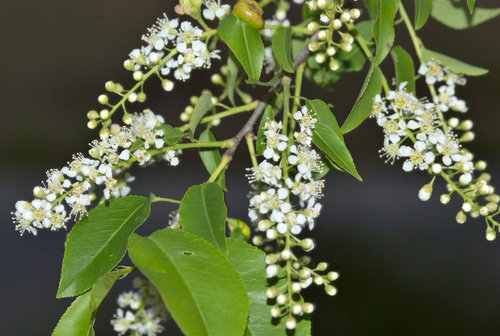
Puedes ver Cerezo Negro y Allegheny Mountain Dusky Salamander.
Ver guía →

Louisiana, US
Puedes ver Sharp-Lobed Hepatica y Purple-Flowered Raspberry.
Ver guía →













