Palamedes Swallowtail
Papilio palamedes
The Palamedes Swallowtail is a beautiful butterfly with big, colorful wings. It loves to flutter around flowers and is often seen near water. Its bright colors make it a special sight in nature!
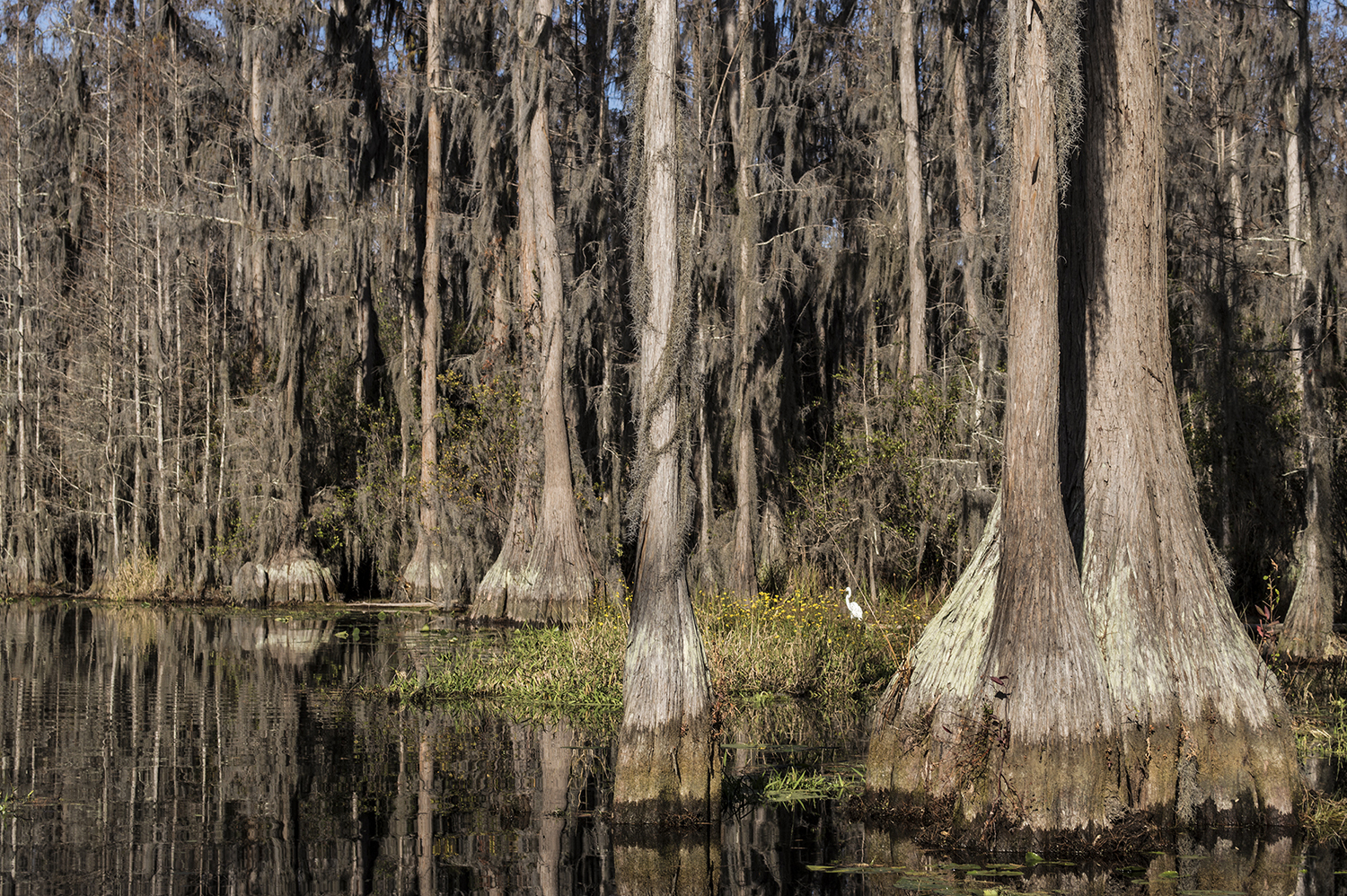
Hábitat: Wetlands
The Palamedes Swallowtail has striking black wings adorned with two distinct rows of bright yellow spots. Its hindwings feature a single, prominent tail-like projection, distinguishing it from other swallowtails in its range.
Categoría
InsectosRareza
Common
Peligro
1/5 · Muy bajo
Snaps
¡Sé la primera persona en hacer un snap!
Its caterpillars are picky eaters, only munching on leaves from a few special trees.
These butterflies love to gather around muddy puddles to drink salty minerals.
They are named after Palamedes, a clever hero from ancient Greek myths!
Unlike many butterflies, Palamedes Swallowtails prefer to fly in swampy, wet forests.
Palamedes Swallowtail larvae can shoot out a smelly, orange organ (osmeterium) that helps them scare away hungry predators.
The young Palamedes Swallowtail caterpillar has camouflage, looking like bird droppings to hide from birds looking for a meal.
Palamedes Swallowtails have powerful wings that allow for fast, erratic flight, helping them escape from dangers.
Adults sip sweet flower nectar; young caterpillars munch on tree leaves!
Diferencias por edad: Larvae consume leaves from specific host trees, while adults feed exclusively on flower nectar.
Persea borbonia
Caterpillars feed on its leaves.

Magnolia virginiana
Host plant for the larval stage.

Cephalanthus occidentalis
Adults drink nectar and help pollinate.
Cyanocitta cristata
Birds are common predators of butterflies.
Los animales sociales viven en grupos organizados, cooperando para obtener beneficios de supervivencia como la búsqueda de alimento, la defensa y la cría de descendencia.
Colorido describe a organismos u objetos que exhiben una amplia variedad de colores brillantes y distintivos.
Este rasgo caracteriza a los organismos cuya dieta consiste total o principalmente en material vegetal.
Describe plantas que son particularmente atractivas y beneficiosas para una amplia variedad de organismos polinizadores.

Este rasgo de hábitat identifica especies que se encuentran en humedales, que son áreas de tierra saturadas de agua, ya sea permanente o estacionalmente, e incluyen marismas, pantanos y ciénagas.

Este rasgo caracteriza a los organismos con una esperanza de vida excepcionalmente larga en comparación con otros de su especie.

Los animales diurnos están activos principalmente durante el día y suelen descansar o dormir por la noche.

Describe organismos que transfieren polen, permitiendo la fertilización y reproducción de las plantas.
Peligro
1/5 · Muy bajo
Always watch butterflies from a distance and don't try to catch them.
100-130 mm
35-45 mm
10-20 días
20 km/h
Adults sip sweet flower nectar; young caterpillars munch on tree leaves!
Wetlands
Foraging
6
Acércate para separar los grupos y explorar dónde se ha fotografiado este objeto.
Los snaps recientes aparecerán aquí a medida que se añadan nuevas observaciones.