_(11-8-13)_ben-rio_grande_state_park%2C_mission%2C_tx_-01_(10750151035).jpg&width=800)





Hispid Cotton Rat
Sigmodon hispidus
The Hispid Cotton Rat is a small, furry animal that loves to live in grassy areas. They have soft fur and big ears, making them cute and fun to watch as they scurry around!
Hábitat: Grasslands
The Hispid Cotton Rat has a coarse, bristly coat of grizzled gray-brown fur, with lighter white or buff fur on its belly. It has a stocky body, short ears, and a medium-length tail, making it look robust.
Categoría
MamíferosRareza
Common
Peligro
1/5 · Muy bajo
Snaps
¡Sé la primera persona en hacer un snap!
A mother cotton rat can have up to 15 babies in a single litter, wow!
Cotton rats actually got their name because they love to line their nests with cotton!
They make neat 'runways' through tall grass, like secret highways for their family!
They sometimes 'clip' tall grass stems, leaving little hay piles to dry!
Hispid Cotton Rat has a stiff, coarse coat that helps protect it from minor injuries and predators.
Hispid Cotton Rat can have many litters each year, allowing its population to grow quickly in good conditions.
Hispid Cotton Rat can clip tall grass stems with its sharp teeth, creating clear paths and gathering food.
Hispid Cotton Rat builds intricate nests of grass and plant fibers to keep its babies safe and warm.
This rat mostly eats plants like grass and seeds, but also enjoys the occasional insect.
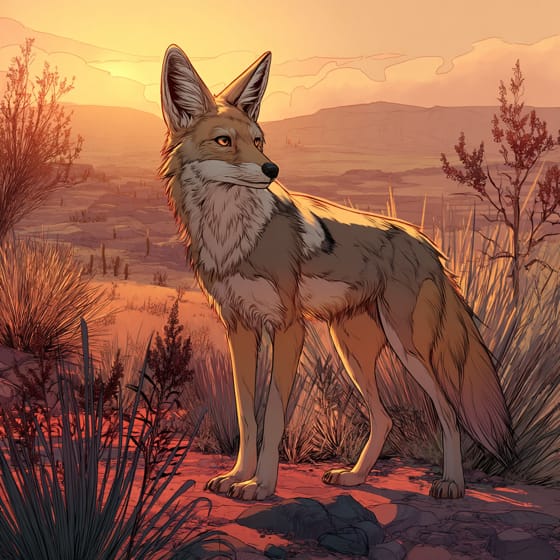
Canis latrans
A common predator in its range.
Bubo virginianus
Hunts cotton rats from above at night.
Crotalus horridus
Ambushes cotton rats in grassy habitats.

Sorghum bicolor
Consumes seeds and stems of this common crop.
Schistocerca americana
An occasional insect part of its varied diet.
Peludo describe a los animales que poseen una cubierta densa de pelo o pelaje suave.
Los animales sociales viven en grupos organizados, cooperando para obtener beneficios de supervivencia como la búsqueda de alimento, la defensa y la cría de descendencia.
Los animales excavadores cavan túneles y cámaras en el suelo y utilizan estas estructuras subterráneas para refugiarse, cazar o reproducirse.
Este rasgo caracteriza a los organismos cuya dieta consiste total o principalmente en material vegetal.

Los hábitats de pastizales son biomas terrestres dominados por pastos y plantas herbáceas, que sustentan a una variedad de animales de pastoreo.

Este rasgo identifica a los organismos que exhiben una rapidez excepcional en sus movimientos para cazar, escapar o desplazarse.
Todavía no hay alias listados.
Peligro
1/5 · Muy bajo
Do not try to catch or touch wild animals. It's best to watch them from a distance!
20-36 cm
0.05-0.25 kg
1-2 años
13 km/h
This rat mostly eats plants like grass and seeds, but also enjoys the occasional insect.
Grasslands
Foraging
2-15
Acércate para separar los grupos y explorar dónde se ha fotografiado este objeto.
Los snaps recientes aparecerán aquí a medida que se añadan nuevas observaciones.