Dusky-footed Woodrat
Neotoma fuscipes
The Dusky-footed Woodrat is a small, furry animal with big ears and a long tail. They build cozy nests from sticks and leaves, often in rocky areas or bushes.
Hábitat: Forests
The Dusky-footed Woodrat has soft, brownish-gray fur on its back, transitioning to a lighter grey or white belly. It features large, dark eyes, prominent ears, and distinctive dark feet, contrasting with a long, well-furred tail.
Categoría
MamíferosRareza
Common
Peligro
1/5 · Muy bajo
Snaps
¡Sé la primera persona en hacer un snap!
Baby woodrats are born helpless, but they grow up quickly inside their cozy stick nests.
Each woodrat builds its own home, sometimes reaching the size of a small car!
They often collect shiny objects, like bottle caps, to decorate their elaborate stick homes!
Woodrats create latrines in their middens, keeping their living areas very clean!
Dusky-footed Woodrat has large eyes and sensitive whiskers that help it find its way and avoid predators in the dark.
Dusky-footed Woodrat can construct massive, multi-chambered nests from sticks and debris, protecting it from danger.
Dusky-footed Woodrat can get most of its water from the plants it eats, rarely needing to drink extra water.
Eats leaves, seeds, fruits, and fungi, getting most water from its plant-rich food.
Bubo virginianus
Owls are common predators that hunt woodrats at night.
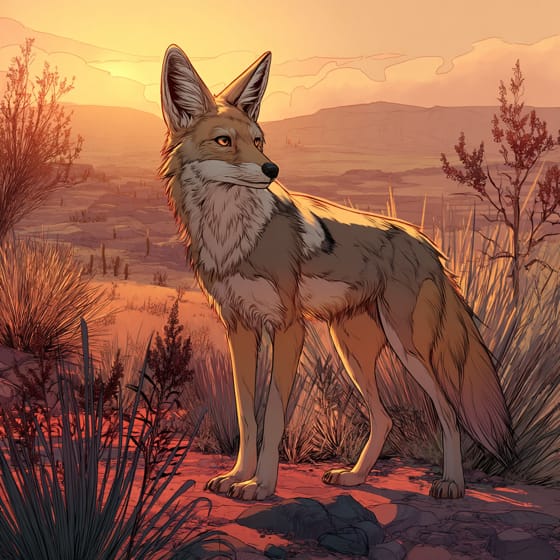
Canis latrans
Coyotes frequently prey on woodrats as a food source.

Crotalus viridis
Rattlesnakes hunt woodrats inside their middens or nearby.

Quercus agrifolia
Woodrats eat its leaves and acorns, and build nests in it.
Pinus ponderosa
Woodrats often build their protective stick middens at its base.
Peludo describe a los animales que poseen una cubierta densa de pelo o pelaje suave.
Los animales solitarios viven solos durante la mayor parte de su vida y solo interactúan con otros para aparearse o cuidar de sus crías.
Los animales excavadores cavan túneles y cámaras en el suelo y utilizan estas estructuras subterráneas para refugiarse, cazar o reproducirse.
Este rasgo caracteriza a los organismos cuya dieta consiste total o principalmente en material vegetal.

Los hábitats boscosos son entornos terrestres dominados por una densa cubierta arbórea, que sustentan una gran diversidad de vida animal y vegetal.

Describe una especie cuya presencia y papel tienen un efecto desproporcionadamente grande en su entorno.

Los animales nocturnos están principalmente activos durante la noche, y suelen descansar o dormir durante el día.
Todavía no hay alias listados.
Peligro
1/5 · Muy bajo
If you see a woodrat, watch quietly from a distance. They are shy and like to be left alone.
31-48 cm
0.15-0.3 kg
2-3 años
15 km/h
Eats leaves, seeds, fruits, and fungi, getting most water from its plant-rich food.
Forests
Foraging
1-4
Acércate para separar los grupos y explorar dónde se ha fotografiado este objeto.
Los snaps recientes aparecerán aquí a medida que se añadan nuevas observaciones.