





Horned Passalid
Odontotaenius disjunctus
The Horned Passalid is a cool beetle with big horns! They love to live in decaying wood and help break it down. These beetles are fun to watch as they scurry around in the forest.
Hábitat: Forests
The Horned Passalid is a large, shiny black beetle with deeply grooved wing covers (elytra). Males have a distinctive, short horn on their head. Its robust, elongated body makes it look like a miniature tank.
Categoría
InsectosRareza
Common
Peligro
1/5 · Muy bajo
Snaps
¡Sé la primera persona en hacer un snap!
Both mom and dad beetles work together to raise their babies!
Horned Passalids are the only truly social beetles found in North America!
They can live for several years hidden deep inside logs!
They hum, hiss, and click to 'talk' to family members!
Horned Passalid can 'talk' using over 10 different sounds by rubbing body parts, which helps them communicate within their log home.
Horned Passalid parents chew and prepare wood for their larvae, and protect them from predators, helping their young grow strong.
Horned Passalid larvae and adults tunnel through dead wood, breaking it down into soil nutrients, which helps forests stay healthy.
Horned Passalids are nature's recyclers, munching on decaying wood.
Quercus alba
Adults and larvae consume its decaying wood for food and shelter.
Dryocopus pileatus
Woodpeckers dig into logs to find and eat these nutritious beetles.
Trametes versicolor
They consume fungi that help decompose the wood they live in.
Los animales sociales viven en grupos organizados, cooperando para obtener beneficios de supervivencia como la búsqueda de alimento, la defensa y la cría de descendencia.
Los carroñeros consumen materia orgánica muerta, ayudando a descomponer los cadáveres y otros desechos en el ecosistema.
Se caracteriza por tener una o más proyecciones duras, permanentes y puntiagudas en la cabeza.
Este rasgo caracteriza a los organismos cuya dieta consiste total o principalmente en material vegetal.

Los hábitats boscosos son entornos terrestres dominados por una densa cubierta arbórea, que sustentan una gran diversidad de vida animal y vegetal.

Describe a los organismos que descomponen la materia orgánica muerta, reciclando los nutrientes de vuelta al ecosistema.

Los animales diurnos están activos principalmente durante el día y suelen descansar o dormir por la noche.

Relativo a los organismos que emiten luz a través de la bioluminiscencia o la fluorescencia.
Todavía no hay alias listados.
Peligro
1/5 · Muy bajo
These beetles are safe to observe, but it's best to leave them in their home.
60-80 mm
30-40 mm
365-1095 días
Horned Passalids are nature's recyclers, munching on decaying wood.
Forests
Foraging
6
2-10
Acércate para separar los grupos y explorar dónde se ha fotografiado este objeto.
Los snaps recientes aparecerán aquí a medida que se añadan nuevas observaciones.
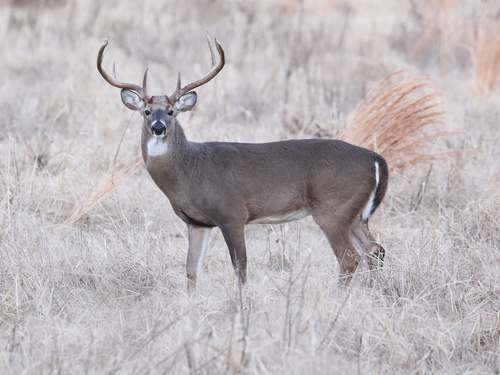
Virginia, US
Puedes ver Ciervo De Cola Blanca, American Tuliptree y Acebo.
Ver guía →
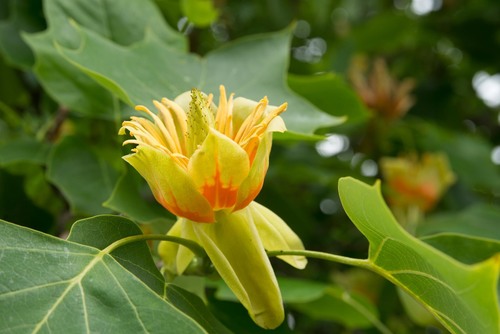
Virginia, US
Puedes ver American Tuliptree, Japanese Snowball y American Hazelnut.
Ver guía →
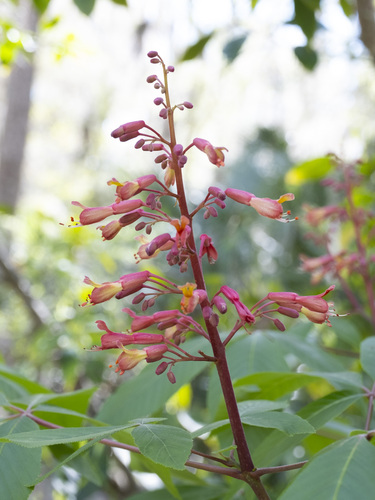
Tennessee, US
Puedes ver Red Buckeye, Aniseroot y Christmas Fern.
Ver guía →

Maryland, US
Puedes ver Large Whorled Pogonia, Pink Lady's Slipper y Castaño Americano.
Ver guía →
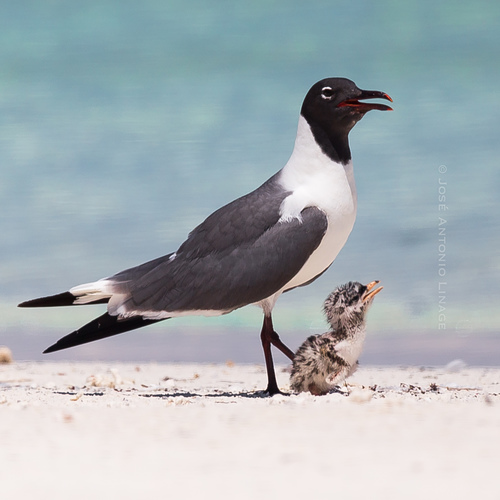
Florida, US
Puedes ver Laughing Gull, Saw Palmetto y Garza Azulada.
Ver guía →
.jpg)
Maryland, US
Puedes ver Common Pawpaw, Huron Skipper y Orchard Orbweaver.
Ver guía →










