
.jpg&width=800)





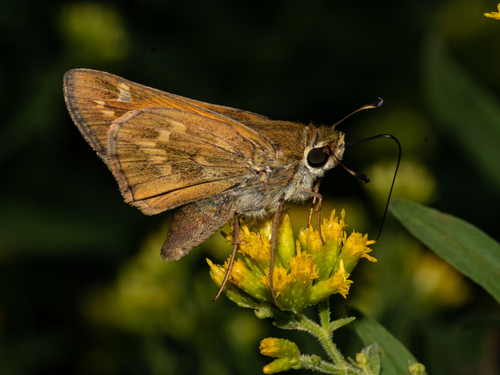
Huron Skipper
Atalopedes huron
The Huron Skipper is a small, colorful butterfly that loves to flutter around flowers. With its bright orange wings, it is a delightful sight in gardens and fields.
Hábitat: Grasslands
The Huron Skipper is a small, robust butterfly, sporting a brownish-orange body and wings with darker markings. Its wings often have a subtle dusky-brown wash, and its antennae feature distinctive hooked tips. This coloration helps it blend into grassy habitats.
Categoría
InsectosRareza
Common
Peligro
1/5 · Muy bajo
Snaps
¡Sé la primera persona en hacer un snap!
Huron Skipper caterpillars build cozy leaf shelters by rolling and tying leaves together with silk.
Their antennae have tiny hooks at the end, almost like a fishing pole!
They are called 'skippers' because of their rapid, skipping flight pattern through the air!
Unlike most butterflies, skippers fold their wings in a unique 'delta' shape when resting.
Huron Skipper can fly very quickly in short, erratic bursts because of its powerful wing muscles that help it evade predators.
Huron Skipper has drab brown and orange wings that help it blend perfectly with dried grasses, making it hard for predators to spot.
Huron Skipper has a long, straw-like proboscis that helps it reach deep into flowers to drink sweet nectar.
Adult Huron Skippers sip sweet nectar from various flowers, while caterpillars munch on grass leaves.
Diferencias por edad: Caterpillars eat grass leaves, but adults drink nectar from flowers using a proboscis.
Sorghastrum nutans
Larvae feed on the leaves.

Monarda fistulosa
Adults collect nectar from its flowers.

Asclepias syriaca
Adults are common visitors to its blooms.
Los animales solitarios viven solos durante la mayor parte de su vida y solo interactúan con otros para aparearse o cuidar de sus crías.
Colorido describe a organismos u objetos que exhiben una amplia variedad de colores brillantes y distintivos.
Este rasgo caracteriza a los organismos cuya dieta consiste total o principalmente en material vegetal.
Describe plantas que son particularmente atractivas y beneficiosas para una amplia variedad de organismos polinizadores.

Los hábitats de pastizales son biomas terrestres dominados por pastos y plantas herbáceas, que sustentan a una variedad de animales de pastoreo.

Los animales diurnos están activos principalmente durante el día y suelen descansar o dormir por la noche.

Relativo a especies que son significativamente más pequeñas que lo típico o promedio de su tipo.

Describe organismos que transfieren polen, permitiendo la fertilización y reproducción de las plantas.
Todavía no hay alias listados.
Peligro
1/5 · Muy bajo
Always watch butterflies from a distance so you don't scare them away.
25-35 mm
10-15 mm
7-21 días
10-25 km/h
Adult Huron Skippers sip sweet nectar from various flowers, while caterpillars munch on grass leaves.
Grasslands
Foraging
6
Acércate para separar los grupos y explorar dónde se ha fotografiado este objeto.
Los snaps recientes aparecerán aquí a medida que se añadan nuevas observaciones.
New Jersey, US
Puedes ver Huron Skipper, Garza Azulada y Petirrojo Americano.
Ver guía →

Virginia, US
Puedes ver Monarch, Tortuga De Caja Oriental y Mariquita Asiática.
Ver guía →
.jpg)
District of Columbia, US
Puedes ver Pato, Ardilla Gris Oriental y Estornino Europeo.
Ver guía →

Connecticut, US
Puedes ver Gorrión Melódico, Sinsonte Norteño y Monarch.
Ver guía →
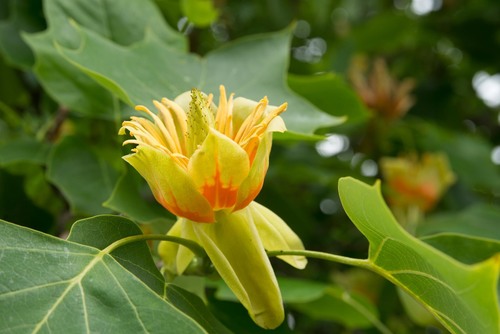
Virginia, US
Puedes ver American Tuliptree, Gorrión Común y Common Eastern Bumble Bee.
Ver guía →
Delaware, US
Puedes ver Virginia Bluebells, Sapo Americano y Bloodroot.
Ver guía →













